

Short Answer
In the labyrinthine world of cactus conservation, where delicate spines conceal stories of resilience and adaptation, Rebutia species stand as tiny titans of tenacity. These diminutive globes of green, often dismissed as mere novelties for windowsill gardens, are in fact keystone species within their Andean ecosystems. Their survival hinges not on brute strength, but on the delicate balance of ethical stewardship—a balance too often tipped by unscrupulous hands. But what if we told you that supporting Rebutia conservation could be more than a horticultural act? What if it became a radical reimagining of our relationship with the natural world? Let’s embark on a journey that will not only deepen your botanical reverence but also transform the way you perceive conservation itself.
The Hidden Lives of Rebutia: Why These Cacti Deserve Our Devotion
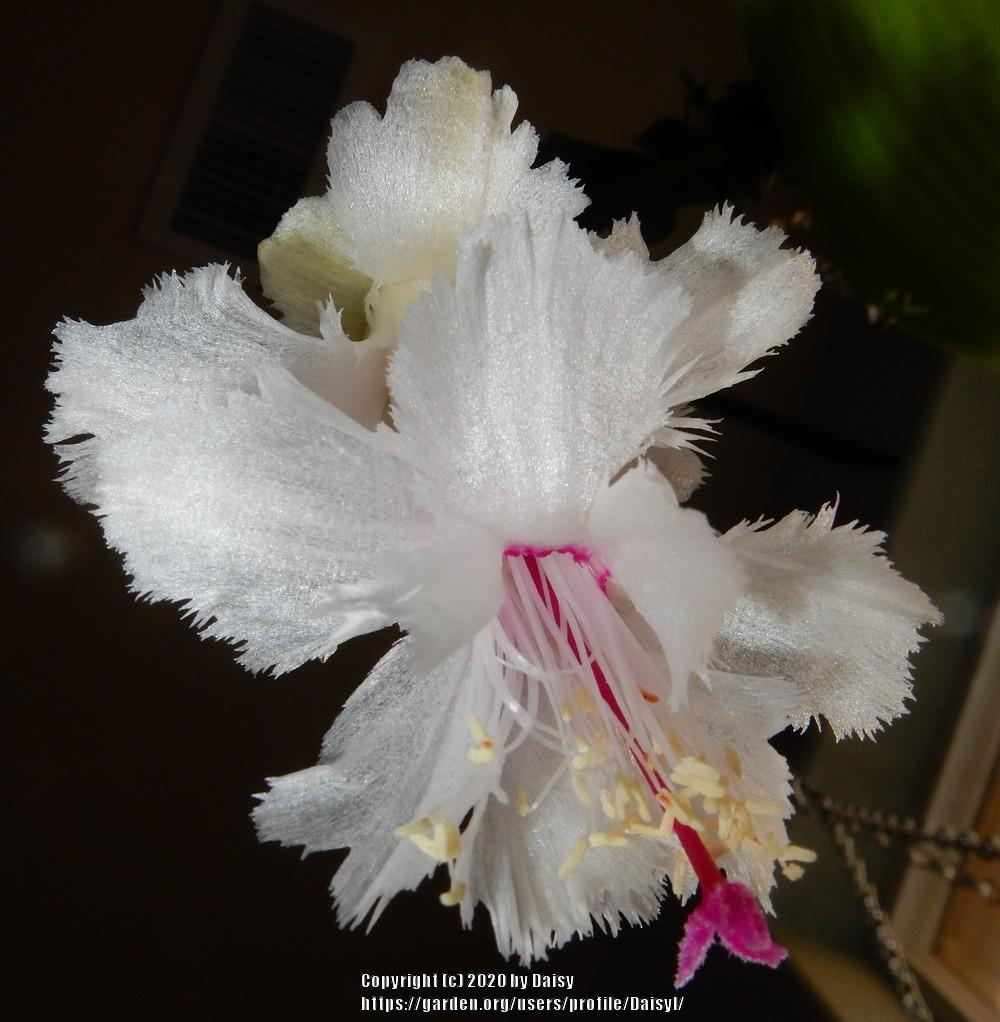
Rebutia, a genus of South American cacti, thrives in the harsh, high-altitude environments of Bolivia and Argentina, where thin air and relentless sunlight forge their compact, ribbed forms. These plants are not passive survivors; they are architects of microcosms, fostering symbiotic relationships with pollinators and soil microbes. Their vibrant, funnel-shaped blooms—ranging from fiery oranges to ethereal purples—are not mere adornments but declarations of life persisting against the odds. Yet, their diminutive stature belies their ecological significance. In their native habitats, Rebutia species act as living mulch, preventing soil erosion and providing shelter for invertebrates. To overlook their conservation is to ignore a silent symphony of interdependence, where every spine and petal plays a crucial note.
Ethical Sourcing: The Antidote to Botanical Colonialism
The cactus trade, like many horticultural markets, has long been plagued by extractive practices. Wild-collected specimens, plucked from fragile ecosystems, often arrive in cultivation riddled with stress and genetic bottlenecks. Ethical sourcing flips this narrative. It demands transparency: from the moment a seed germinates in a controlled environment to the day it finds a home in your collection. Seek out nurseries that propagate their own stock or partner with conservation programs. Avoid dealers who can’t trace their plants’ origins or who peddle specimens labeled as “field-collected” without certification. Remember, every unethically sourced cactus is a wound in the landscape—a scar that takes decades to heal.
The Power of Propagation: Growing Rebutia with Conscience
Propagation is not just a gardening technique; it’s an act of rebellion against the commodification of life. By growing Rebutia from seed or offsets, you sever the demand for wild-harvested plants. Start with reputable seed suppliers who prioritize genetic diversity and conservation. Use sterile media to prevent disease, and mimic their native conditions with bright, indirect light and minimal water. Watch as your tiny seedlings unfurl their first spines—each one a testament to your commitment to ethical cultivation. And when your plants mature, share offsets with fellow enthusiasts. In doing so, you propagate not just life, but a culture of responsibility.
Habitat Restoration: Healing the Land One Cactus at a Time
Conservation isn’t confined to the four walls of a greenhouse. Rebutia’s natural habitats face threats from mining, agriculture, and climate change. Support organizations that restore degraded Andean landscapes by reintroducing native flora, including Rebutia species. Volunteer your time, donate to reforestation projects, or advocate for policies that protect high-altitude ecosystems. Even in your own garden, create microhabitats that mimic the rocky, sun-drenched conditions Rebutia thrives in. Use crushed granite or pumice for drainage, and group plants to simulate the crowded, competitive conditions of their wild homes. Your garden can become a sanctuary—a living archive of biodiversity.
The Role of Technology in Ethical Cactus Conservation
In the digital age, technology offers unprecedented tools for conservation. DNA barcoding can verify the authenticity of Rebutia species, ensuring you’re not duped by mislabeled plants. Drones and satellite imagery help monitor habitat loss in real time, allowing conservationists to intervene before it’s too late. Even blockchain is entering the fray, with some nurseries using it to track a plant’s journey from seed to sale. Embrace these innovations. Use apps to log your plants’ growth, share data with conservation databases, or support crowdfunded research into Rebutia genetics. Technology isn’t just a tool—it’s a bridge between hobbyists and scientists, uniting us in a shared mission.
Community and Advocacy: The Ripple Effect of Ethical Choices
Your choices reverberate far beyond your windowsill. Join cactus societies that prioritize ethics, where members exchange propagation techniques and denounce unscrupulous dealers. Start conversations about conservation at plant swaps or online forums. Write to nurseries demanding transparency. The cactus community is vast and passionate—imagine the impact if every enthusiast committed to ethical sourcing. Together, we can shift the market’s tides, making wild-collected plants as taboo as ivory or tortoiseshell. Your voice matters. Your actions matter. In a world where biodiversity is under siege, ethical cactus cultivation isn’t just a hobby—it’s a form of resistance.
Conclusion: A New Paradigm for Plant Parenthood
Supporting Rebutia conservation is about more than saving a few spiky globes from extinction. It’s about redefining our role as stewards of the Earth. It’s about recognizing that every plant, no matter how small, is part of a vast, interconnected web of life. It’s about choosing patience over instant gratification, responsibility over convenience. When you cultivate Rebutia ethically, you’re not just growing a cactus—you’re nurturing a philosophy. A philosophy that says life is not ours to take, but to cherish. A philosophy that transforms your garden into a sanctuary, your hobby into an act of defiance, and your passion into a legacy. So go ahead. Let your Rebutia thrive—not just as a plant, but as a promise.
FAQ
What is Rebutia?
Rebutia is a genus of South American cacti known for their compact forms and ecological significance.
Why is ethical sourcing important?
Ethical sourcing ensures that cacti are cultivated responsibly, minimizing harm to their natural habitats and promoting biodiversity.
How can I support Rebutia conservation?
You can support Rebutia conservation by sourcing plants ethically, participating in habitat restoration, and advocating for responsible practices.

Leave a Reply