
Short Answer
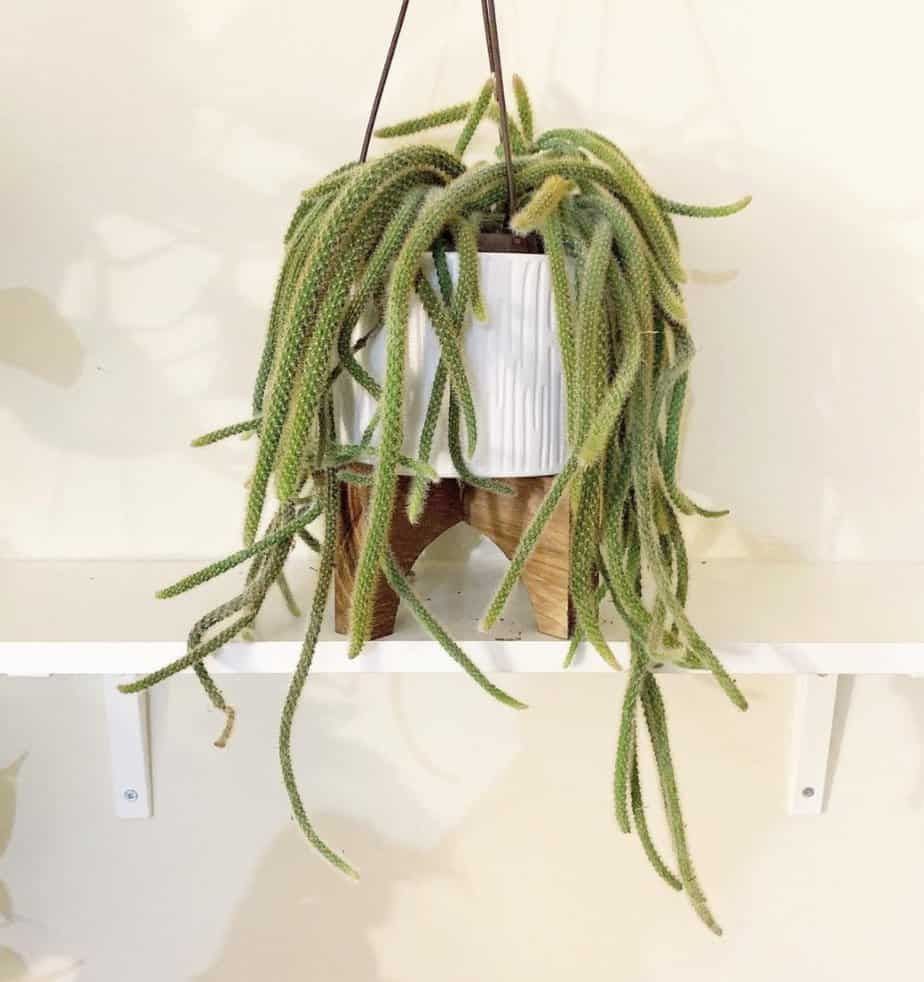
The Dog Tail cactus, scientifically known as Strophocactus testudo, is a fascinating succulent that showcases a unique appearance and offers a delightful challenge for plant enthusiasts. With its elongated, serpentine shape, this plant often raises the question: How can one successfully care for such an unusual cactus? Understanding the nuances of Dog Tail cactus care is the key to thriving specimens that can enliven any indoor or outdoor garden. This article will explore the essential components of successful cultivation, addressing potential challenges along the way.
Establishing the Right Environment
Creating an optimal environment for your Dog Tail cactus is fundamental. These cacti thrive in warm, bright conditions but are surprisingly sensitive to humidity. Ideal temperatures hover around 70-80°F during the day and slightly cooler at night. Given their native arid environments, exposure to full sun for several hours a day is essential to promote robust growth and vibrant coloration. However, young plants require some shade to acclimatize without stress.
When planning the placement of your cactus, consider the light intensity. Too little sunlight can lead to leggy, weak growth, while excessive direct sunlight might scorch the delicate skin of the plant. A south-facing window typically provides the right balance of bright light, but be attentive during the hottest months when the sun is at its zenith.
Propagation Possibilities
Propagation of the Dog Tail cactus presents both an enticing opportunity and a potential challenge. For those eager to multiply their plant collection, understanding the proper techniques can yield fruitful results. This cactus propagates effectively through cuttings. Select a healthy stem segment, ideally one with a few nodes, and allow it to callus for a day or two before planting in well-draining soil.
When choosing the right soil, opt for a specialized cactus mix or a blend that includes sand and perlite to ensure maximum drainage. Maintain a warm environment around 70°F for the cutting, avoiding the temptation to overwater. Instead, wait until roots begin to establish before introducing water. Once they are well-rooted, you can transition them into your regular care routine.
Watering: The Delicate Balance
Watering habits play a crucial role in the overall health of the Dog Tail cactus. These cacti possess a remarkable ability to store water but can suffer from overzealous watering practices. The “drench and dry” method is the preferred approach for this species. During the growing season—typically spring and summer—water thoroughly, allowing the excess to drain away, then refrain from watering again until the top soil is completely dry. This practice helps prevent root rot, a common concern with cactus care.
In contrast, during the dormant season in the fall and winter, it is advisable to reduce watering significantly. This plant adapts to lower moisture levels during this period, requiring minimal attention. An occasional misting may be beneficial, as long as it does not linger on the stems.
Nurturing Nutrients
Fertilization is another element that influences the vitality of the Dog Tail cactus. This succulent benefits from a light feeding during its growing season. A balanced fertilizer diluted to half strength, applied approximately once every month, can help support growth and flowering. However, be cautious; excessive fertilization can lead to nutrient buildup and damage the roots.
Ensuring proper nutrients is particularly vital if your cactus is planted in a nutrient-poor medium. Consider a specialized cactus fertilizer that includes micronutrients tailored specifically for cacti to foster healthy development.
Common Issues and Troubleshooting
Another concern is the potential for fungal diseases due to overly humid conditions or inadequate airflow. If leaves develop discolored patches or a softening appearance, it may signal rot. Addressing overwatering habits can mitigate this risk. Additionally, ensure that you provide adequate airflow around the plant—especially when clustered with others.
Conclusion: A Rewarding Endeavor
Caring for a Dog Tail cactus is a delightful endeavor filled with both challenges and rewards. This unique succulent not only enhances the aesthetic of your green space but also engages plant enthusiasts in a journey of careful observation and skillful cultivation. From optimizing its environment to understanding watering intricacies and providing adequate nutrition, each aspect of care contributes to the overall health of this remarkable plant. With diligence, each caring interaction becomes a step towards ensuring the Dog Tail cactus flourishes, albeit, with the occasional hiccup.
So, are you ready to embrace the whimsical charm of the Dog Tail cactus and embark on this gratifying horticultural adventure?
FAQ
How often should I water my Dog Tail cactus?
Water thoroughly during spring and summer, then wait until the soil is completely dry before watering again; reduce watering in fall and winter.
What soil is best for growing Dog Tail cactus?
Use a well-draining cactus soil mix or sandy soil with perlite to prevent water retention and root rot.
Can Dog Tail cactus be grown indoors?
Yes, if placed in a bright location with adequate sunlight and proper temperature and humidity control.
How do I propagate a Dog Tail cactus?
Propagate by taking healthy stem cuttings, allowing them to callus for 1-2 days, then planting in well-draining soil.
What are common problems when caring for Dog Tail cactus?
Overwatering leading to root rot, inadequate light causing leggy growth, and excessive fertilization damaging roots.

Leave a Reply