
Short Answer
Have you ever found yourself wandering through a garden center, mesmerized by the spiky marvels and plump green beauties, only to pause and wonder: are all these intriguing plants just cacti in disguise, or is there more than meets the eye? The world of desert-dwellers is filled with fascinating flora, but distinguishing between cacti and succulents can be a playful challenge for even the most avid plant enthusiasts. Let’s embark on a verdant journey to unravel the disparities and mysteries between these captivating plants.
The Botanical Basics: Succulents Are a Broader Family
To truly grasp the contrast between cacti and succulents, it’s essential to understand their botanical bearings. Succulents represent a diverse group of plants characterized primarily by their fleshy, water-retaining tissues. These thickened parts enable them to endure prolonged droughts with enviable resilience. Succulents span numerous plant families, adapting to various climates across the globe, from the balmy tropics to arid deserts.
In contrast, cacti are a distinct family within the succulent clan—specifically the Cactaceae family. This means all cacti are succulents, but not all succulents qualify as cacti. This distinction is a crucial botanical tidbit that sets the stage for deeper exploration.
What Makes a Cactus a Cactus? The Signature Areoles
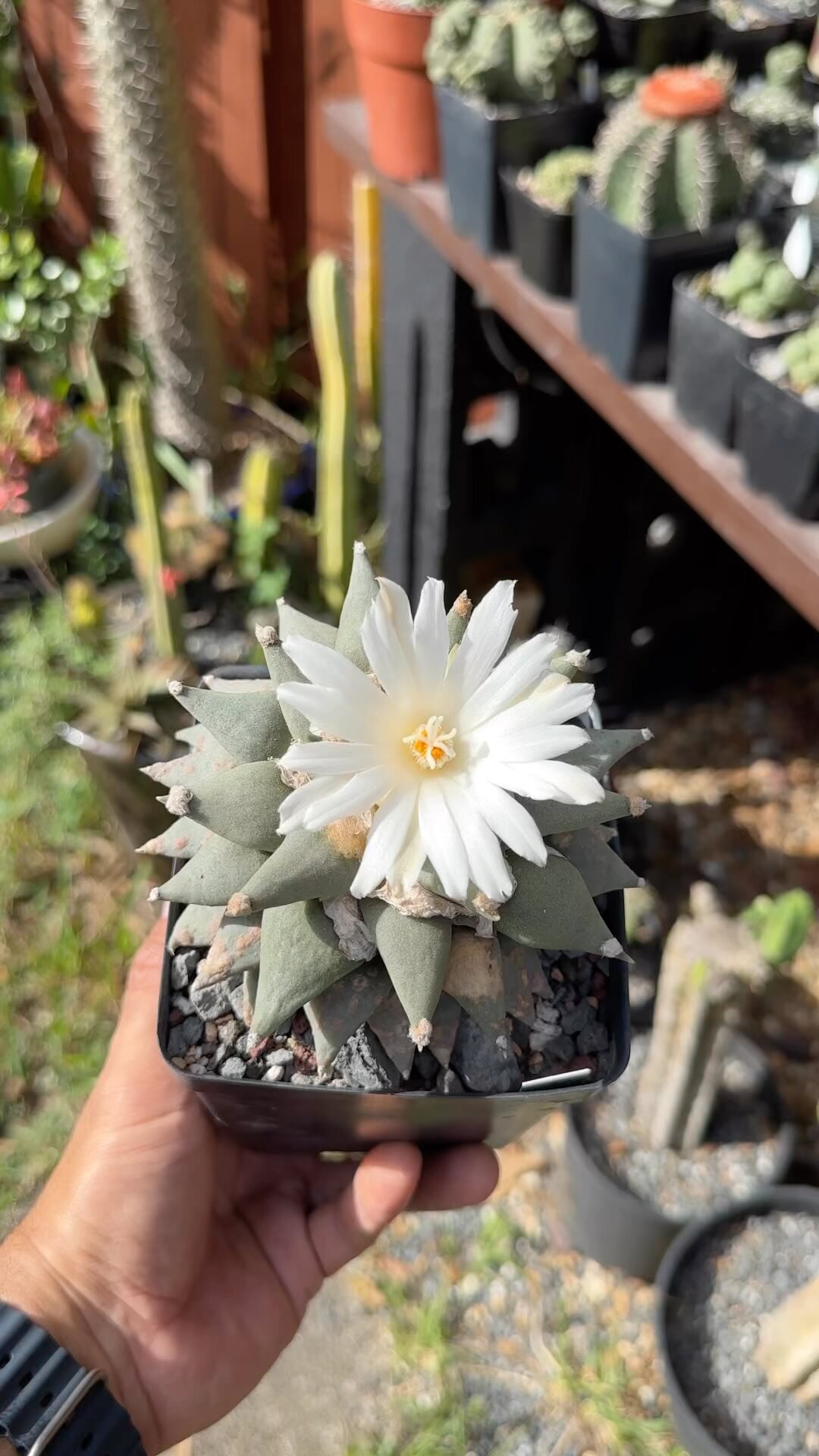
Imagine a secret signature hidden in plain sight—this is what sets cacti apart from other succulents. The hallmark feature of cacti is the presence of areoles: small, round, cushion-like structures from which spines, flowers, and new branches emerge. These areoles are unique to cacti and serve as their botanical fingerprint.
Other succulents might sport thorns or spines, but they never arise from areoles. This evolutionary trait has equipped cacti to survive the harshest desert environs, offering protection while minimizing water loss. So next time you spot a prickly plant, don’t just eyeball the spines—look closely for those unmistakable, tiny clusters.

Physical Characteristics: Beyond Spines and Shapes
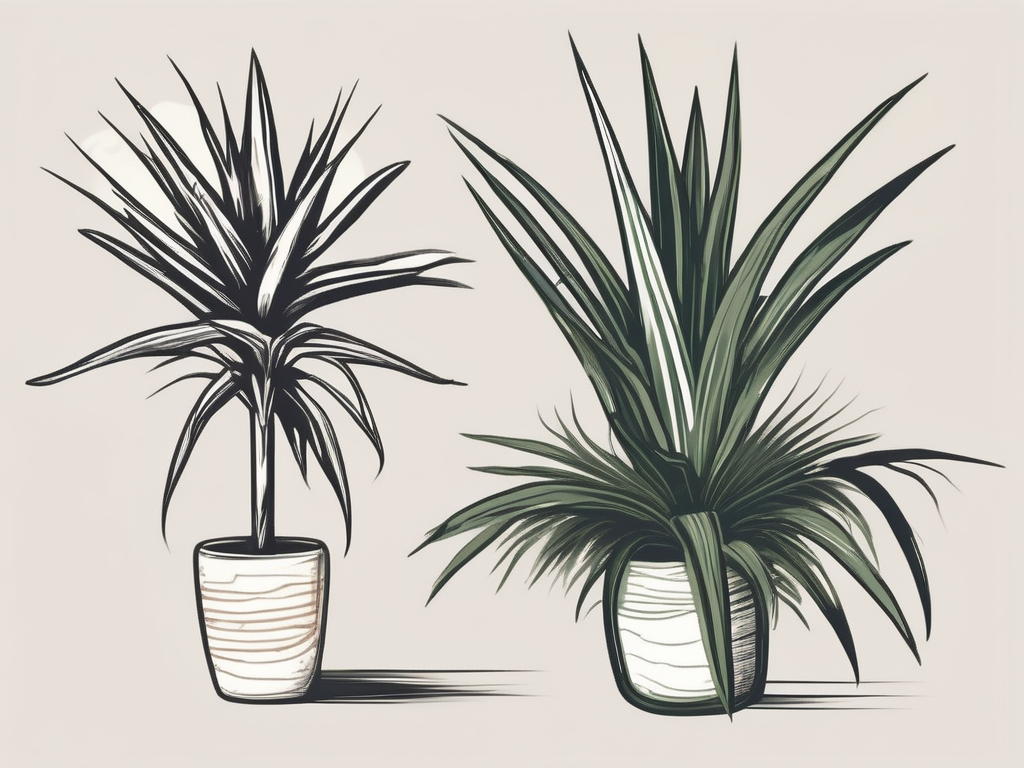
While spines are the most conspicuous attribute, cacti and succulents differ in other subtle and striking ways. For instance, succulents often feature thick, fleshy leaves that store water. These leaves can be smooth, waxy, or even covered in fine hairs to reduce evaporation. Think of the jade plant or aloe vera—classic succulents with plump leaves.
Cacti, however, typically don’t have leaves. Instead, their stems assume the role of photosynthesis and water storage, presenting often ribbed or columnar forms. The absence of leaves minimizes transpiration, a smart adaptation for parched regions.
Moreover, cacti’s exterior ribs are not merely aesthetic—they allow for expansion and contraction as the plant absorbs or expels water, resembling an accordion’s bellows in motion.
Adaptations and Habitats: Survival Masters of Extreme Environments
Succulents broadly occupy a range of habitats—from rocky cliffs to subtle forest understories—showcasing a remarkable adaptive palette. Their water-retentive leaves or stems ensure longevity even in scant rainfall conditions.
Cacti, predominantly native to the Americas, especially thriving in arid and semi-arid deserts, are specialists in drought survival. Their spiny armor deters herbivores, while thick waxy coatings limit moisture loss. Some species can endure scorching daytime heat and freezing nights with ease.
Both groups employ CAM (Crassulacean Acid Metabolism) photosynthesis, a water-efficient process that allows them to open stomata at night when humidity is higher, further reducing water loss.
Care Considerations: The Green Thumb’s Guide
For those eager to nurture these botanical wonders, understanding the nuances of their care is pivotal. Succulents generally prefer well-draining soil and moderate watering—allowing the soil to dry completely between waterings to prevent root rot. Their tolerance to various light conditions can vary, with some thriving indoors under indirect sunlight.
Cacti demand similar soil conditions but typically enjoy more intense light and slightly less frequent watering. Overzealous watering is a common pitfall; these desert dwellers are masters of economy with moisture and respond best to a “less is more” philosophy. During dormant periods, watering should be minimal to mimic their natural rhythms.
One must also consider temperature tolerance: while many succulents can handle cooler indoor environments, some cacti need warmer temperatures to flourish.
Aesthetic Appeal and Uses: Desert Decor and Beyond
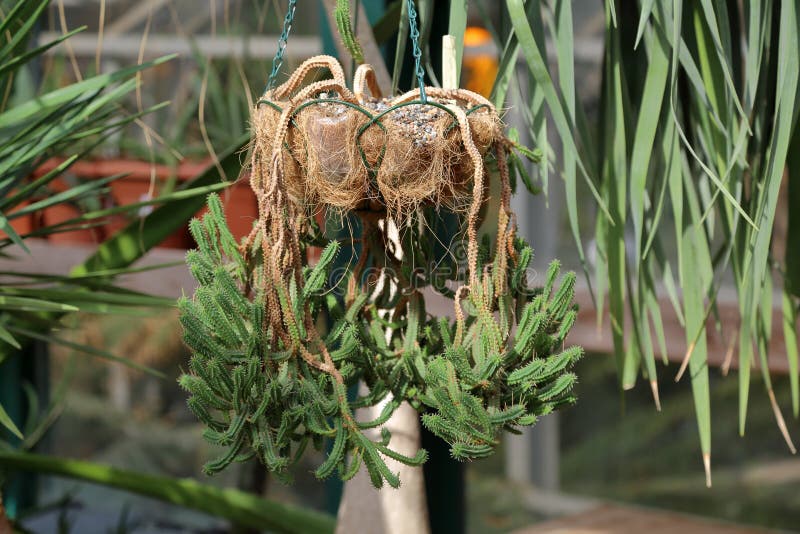
From a design perspective, both cacti and succulents have become beloved for their sculptural beauty and low-maintenance nature. Succulents offer a kaleidoscope of shapes, colors, and textures—rosettes of echeverias, sprawling sedums, and the charismatic string of pearls all bring elegance and whimsy to any space.
Cacti add an architectural boldness, their statuesque forms and formidable spines radiate a rugged charm. Many sport spectacular blooms that burst with color, rewarding patient caretakers with vivid displays.
Beyond decoration, some succulents like aloe vera possess medicinal properties, while others serve culinary and cultural purposes—underscoring these plants’ multifaceted value.
In Conclusion: Celebrating Diversity in Drought-Defying Flora
The playful question “Cactus or succulent?” opens a gateway into a broader appreciation of adaptive artistry in the plant kingdom. Though intertwined by their water-wise existences, cacti and succulents reveal distinct identities through their botanical lineage, anatomical features, and survival tactics.
Embracing both enriches any garden or indoor oasis—each contributes its unique flair, resilience, and story. Whether you’re drawn to the spiny silhouettes of cacti or the velvety textures of succulents, you’re inviting living proof of nature’s ingenuity into your life.
Next time you encounter these thrifty plants, ponder their silent tales of endurance, and watch your fascination blossom alongside their resilient beauty.
FAQ
What is the main difference between cacti and succulents?
Cacti belong to the Cactaceae family, while succulents are a broader group of plants that can include various families. All cacti are succulents, but not all succulents are cacti.
How do I care for cacti and succulents?
Cacti require well-draining soil, intense light, and less frequent watering, while succulents prefer moderate watering and can adapt to various light conditions.


Leave a Reply