
Short Answer
The Prickly Pear Cactus, a fascinating marvel of desert flora, is much more than just a resilient plant thriving in arid environments. Known for its distinctive flat pads and vibrant yellow flowers, it offers an abundance of surprises for gardeners, culinary enthusiasts, and naturalists alike. This remarkable cactus not only enhances landscapes with its unique aesthetic but also provides edible fruit and pads, making it a versatile addition to any garden. Exploring the world of the Prickly Pear reveals secrets of cultivation, culinary uses, and nutritional benefits, all wrapped in the saga of a timeless plant that has sustained many cultures through harsh climates.
Understanding the Prickly Pear Cactus: A Botanical Overview
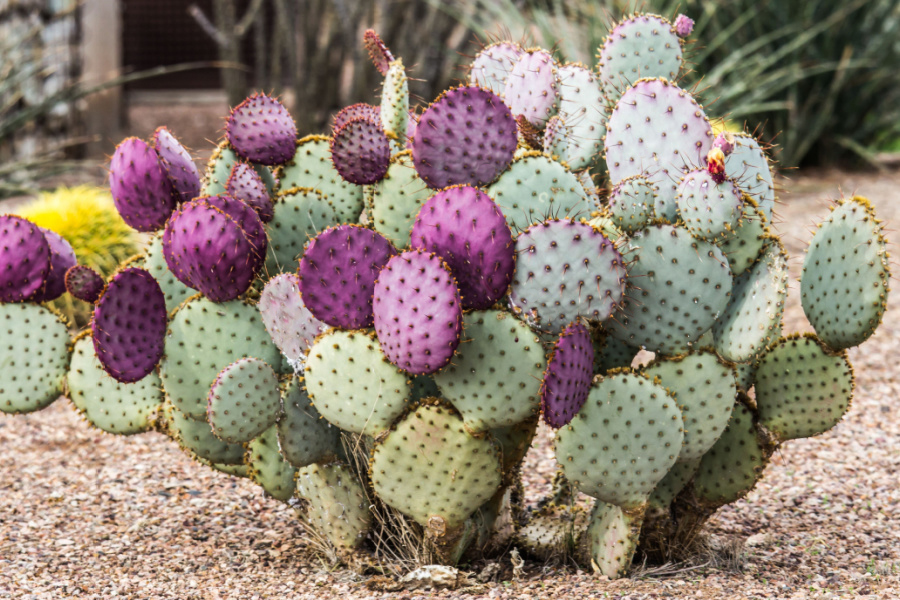
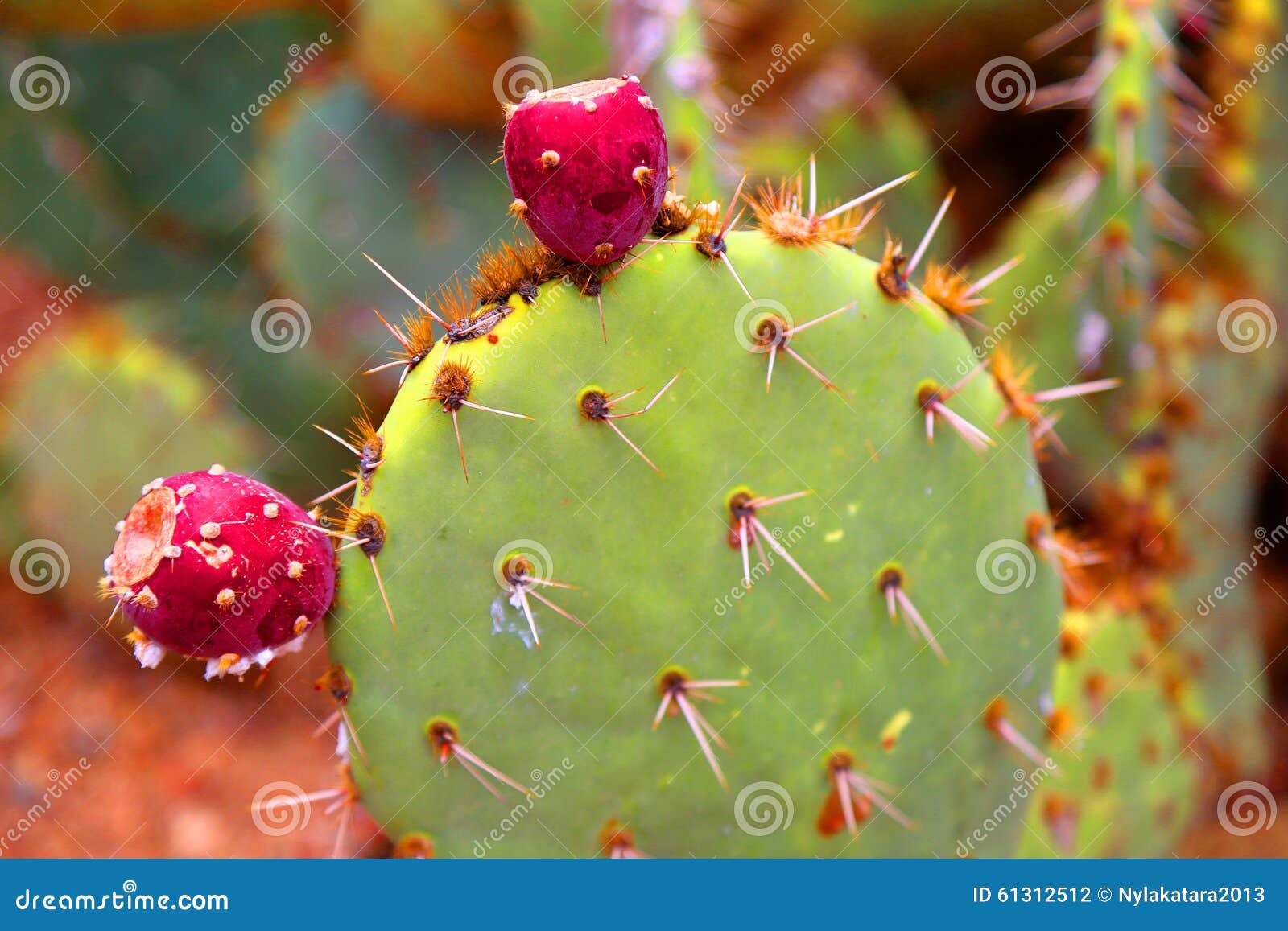
The Prickly Pear Cactus belongs to the genus Opuntia, comprised of numerous species adapted to various ecosystems primarily in the Americas. Characterized by their flat, paddle-like cladodes (commonly called pads), these cacti demonstrate extraordinary adaptability. The pads are often dotted with small clusters of glochids—tiny, hair-like spines—that require careful handling when harvesting or tending. Each species varies in size, flower color, and fruit shape, contributing to a rich diversity within the group. Their blooms, usually ranging from vibrant yellow to soft pink, add bursts of color to otherwise stark desert landscapes. This cactus thrives in well-drained soils and enjoys full sunlight, highlighting its drought-tolerant nature and minimal care demands.

Effortless Cultivation: How to Grow Prickly Pear in Your Garden
One of the most alluring aspects of the Prickly Pear Cactus is its ease of cultivation. Whether planted in a traditional garden bed, containers, or xeriscape designs, this cactus adapts with minimal fuss. Select a sunny spot with well-draining soil—a sandy or rocky substrate is ideal. Watering needs remain modest; allowing the soil to dry completely between waterings mimics its natural environment, encouraging healthy growth. Propagation is often done through pad cuttings, which root rapidly without the need for complex techniques. This resilient plant withstands high temperatures and poor soil conditions, making it a low-maintenance choice for both seasoned gardeners and novice plant lovers.
Unveiling the Culinary Treasures of the Prickly Pear
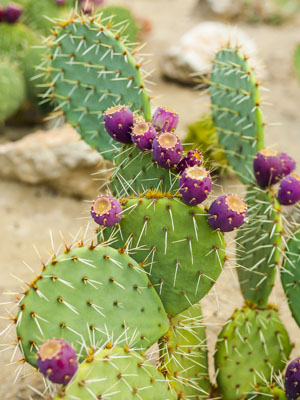
Beyond its ornamental appeal, the Prickly Pear offers delightful edibles, cherished in numerous culinary traditions. The pads, also known as nopales, are harvested when young and tender. Once rid of their spines, they can be grilled, sautéed, or added to salads, providing a tangy flavor akin to green beans or asparagus. The fruit, often called tunas, ripens into a colorful, juicy berry with a sweet, melon-like taste accented by subtle citrus notes. This fruit is commonly used in jellies, syrups, and refreshing beverages. Its unique texture and flavor introduce exciting possibilities for experimentation in the kitchen. Nutritionally, both pads and fruit are rich in dietary fiber, antioxidants, and vitamins, promoting health benefits particularly prized in traditional medicine.
Health Benefits: Nature’s Gift in a Cactus
The Prickly Pear is a powerhouse of nutrients. Packed with antioxidants like flavonoids and betalains, it helps combat oxidative stress and inflammation. Its high fiber content supports digestive health, and the fruit’s low glycemic index makes it a favorable choice for blood sugar regulation. Traditional uses span from promoting liver health to reducing hangover symptoms, all backed by emerging scientific studies. Furthermore, its vitamins—including vitamin C and magnesium—bolster the immune system and promote metabolic wellness. Incorporating Prickly Pear into your diet offers a natural boost with minimal calories, an excellent companion for those embracing holistic health approaches.
Creative Uses and Practical Tips for Harvesting
Harvesting the Prickly Pear requires mindful technique to avoid the not-so-little glochids that can irritate the skin. Using thick gloves and tongs is recommended when picking both pads and fruit. After collection, pads should be scrubbed or seared over an open flame to remove spines before consumption. The fruit’s skin, covered in tiny spines as well, is peeled carefully to reveal the succulent interior. Beyond the kitchen, the plant serves various practical purposes—prickly pear pads can be used as fodder during droughts, and even natural dyes and cosmetic products are crafted from its vibrant pigments. This multifaceted plant thus integrates seamlessly into sustainable living and innovative resource use.
Environmental and Cultural Significance
Prickly Pear holds an emblematic role in the landscapes and cultures of regions where it thrives. It has been a staple for indigenous peoples of the Americas for centuries, valued not only as nourishment but as a symbol entwined with folklore and tradition. Ecologically, it contributes to soil stabilization and provides habitat and food for wildlife such as birds and insects. Its resilience also makes it a promising candidate for combating desertification and enhancing biodiversity in fragile environments. Celebrations and festivals surrounding the cactus and its fruit reflect its enduring cultural status, reinforcing a connection between people and the land.
In summation, the Prickly Pear Cactus is a remarkable intersection of beauty, utility, and tradition. Whether cultivating it for its hardy charm, harvesting its succulent fruit, or exploring its health benefits, this cactus invites everyone to partake in its rich, verdant legacy. Its ease of growth coupled with culinary and medicinal versatility ensure that the Prickly Pear remains an indelible treasure of desert flora, worthy of admiration and appreciation in gardens and kitchens worldwide.
FAQ
What is a Prickly Pear Cactus?
The Prickly Pear Cactus, belonging to the genus Opuntia, is a versatile cactus known for its edible pads and fruit, thriving in arid environments.
How do you grow Prickly Pear Cactus?
Prickly Pear Cactus is easy to grow in well-draining soil and full sunlight, requiring minimal watering.
What are the culinary uses of Prickly Pear?
Prickly Pear pads can be grilled or added to salads, while the fruit can be used in jellies, syrups, and drinks.



Leave a Reply