
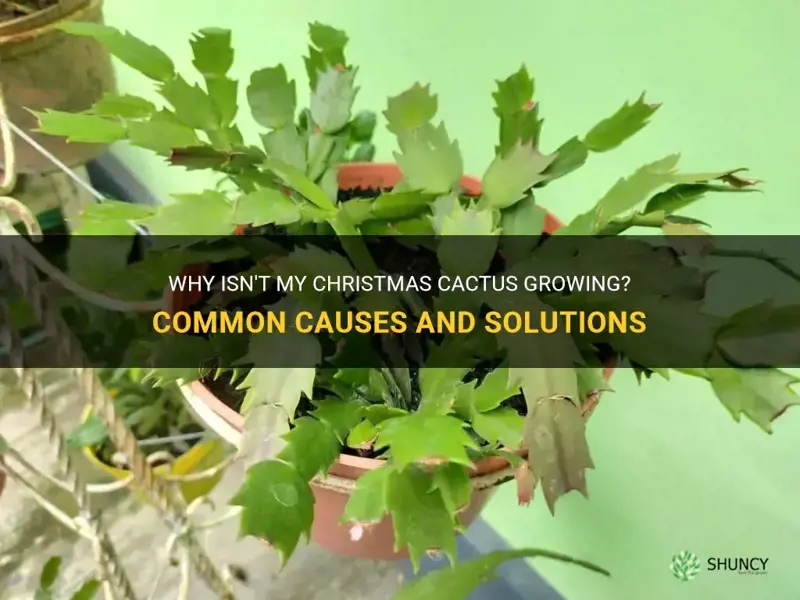
Short Answer
Watching your cactus sit stubbornly still, refusing to thrive and flourish, can be perplexing and a bit disheartening. After all, cacti are heralded for their hardiness and low-maintenance charm. Yet, even these resilient plants have their quirks and needs that, if unmet, can stall their growth entirely. Understanding why your cactus isn’t growing could be the key to transforming that dormant green into a vibrant, thriving accent piece. Let’s delve into the myriad reasons behind cactus stagnation and the practical solutions to invigorate your spiky friend’s development.
Inadequate Light Exposure
Cacti are sun worshippers by nature. Originating from arid deserts and sun-drenched landscapes, they require ample, direct sunlight to perform photosynthesis effectively. When placed in dim or overly shaded environments, their growth slows dramatically. A lack of sufficient light can manifest as elongated, pale stems — a condition botanists call etiolation.
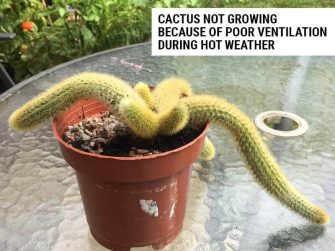
To remedy this, position your cactus near a south-facing window if indoors, or ensure it receives at least 4-6 hours of direct sunlight daily. If natural light is scarce, consider supplementing with a grow light specifically designed for succulents. Proper illumination triggers robust growth and vibrant coloration, essential for healthy development.
Poor Soil Composition and Drainage Issues
The substrate you plant your cactus in is critical. Unlike other plants that revel in nutrient-rich, moisture-retentive soils, cacti demand fast-draining, gritty media. Utilizing standard potting soil often leads to water retention, root rot, and suffocation. These conditions stunt root expansion and, consequently, overall growth.

Opt for cactus-specific potting mixes that combine sand, perlite, and small gravel for optimal drainage. Repotting your cactus every 2-3 years into fresh, airy soil can revive its vigor. Proper soil allows roots to breathe, absorb nutrients efficiently, and support sustained growth.
Incorrect Watering Practices
Water is a double-edged sword for cacti. These plants are adapted to survive droughts, storing water in their succulent tissues. Overwatering is the leading villain behind growth stagnation. Excess moisture encourages fungal infections and root decay, suffocating root systems. Conversely, underwatering for prolonged periods deprives the plant of needed hydration, causing shriveling and halted growth.
Mastering a balanced watering regimen is crucial. During the growing season (spring and summer), water your cactus thoroughly but allow the soil to dry out completely before the next watering. In winter, reduce watering frequency dramatically, as most cacti enter dormancy and require minimal moisture.
Temperature and Humidity Stress
Cacti are accustomed to dramatic temperature swings typical of desert environments — hot days followed by crisp, cool nights. Maintaining a stable temperature range conducive to growth is essential. Extremely low temperatures, especially below freezing, damage cell structures, while excessive indoor heating can paralyze metabolic processes.
Similarly, cacti prefer low humidity environments. High humidity encourages fungal diseases and mold development, impeding growth. Aim to keep cacti in temperatures between 65–85°F (18–29°C) during their growing season, and avoid placing them in cramped, humid corners.
Lack of Nutrients or Improper Fertilization
While cacti are minimalist in nutrient requirements, they do need occasional feeding to support robust growth, especially when cultivated indoors or in pots where soil nutrients become depleted. A deficiency in essential minerals such as nitrogen, phosphorus, or potassium manifests through weak, stunted growth and dull coloration.
Use a balanced, diluted fertilizer formulated for succulents and cacti during their active growth periods. Applying fertilizer once a month during spring and summer can fuel growth spurts. Avoid over-fertilizing as it can lead to salt accumulation and root burn.
Root Bound Conditions and Pot Size Constraints
When cacti outgrow their containers, roots become cramped and unable to expand or access adequate nutrients. This root-bound phenomenon severely limits growth and overall health.
Check for this by gently easing the plant out of its pot every couple of years. Roots circling tightly around the base indicate a cramped environment. Repot into a slightly larger container with fresh soil, giving roots ample room to spread and invigorate the plant.
Pest Infestation and Diseases
Unseen enemies like spider mites, mealybugs, and scale insects can drain the vitality of your cactus, causing wilting and growth arrest. Additionally, fungal and bacterial infections, often rooted in overwatering or poor ventilation, can degrade plant tissue irreparably.
Vigilant inspection is paramount. Look for tiny webs, cotton-like spots, or discolored patches. Employ natural insecticides, neem oil, or insecticidal soap as treatments. If disease is present, isolate the cactus and remove infected tissue to prevent spread.
Insufficient Ventilation and Airflow
Good air circulation mimics the cactus’ natural desert environment, reducing humidity, limiting fungal spores, and encouraging transpiration. Enclosed spaces with stagnant air promote a microclimate ideal for mold and pests.
Placing your cactus in a well-ventilated area ensures a healthier tempo of growth. Even gentle outdoor breezes can promote strong stems and lush development.
Natural Dormancy and Growth Cycles
Sometimes, the absence of growth is simply Mother Nature’s rhythm at play. Many cacti enter a dormancy period typically in winter. Growth slows or halts entirely as the plant conserves energy until favorable conditions return.
Recognizing these natural cycles can prevent unnecessary worry. During dormancy, reduce watering and halt fertilization. Come spring, your cactus should resume its upward and outward push.
With attentive care and a keen eye on these diverse factors, your cactus will soon reward you with vibrant growth and resilience. Embrace the patient dance of nurturing this unique plant, and watch it transform from stalled to spectacular.
FAQ
How much light does my cactus need?
Cacti typically require 4-6 hours of direct sunlight daily for optimal growth.
What type of soil is best for cacti?
Use a fast-draining potting mix specifically designed for cacti, often containing sand and perlite.
How often should I water my cactus?
Water thoroughly during the growing season, allowing the soil to dry out completely before the next watering.

Leave a Reply