
Short Answer
Imagine your home as a verdant oasis in a vast desert—each plant a precious oasis of life and vibrancy. Among these, cacti stand tall like sentinels, proud with their spiky armor and mysterious allure. Yet, just as any element of nature can hold hidden dangers, the placement of these succulent guardians requires careful thought, especially when little feet and curious paws abound. Ensuring your cactus thrives in safety while protecting kids and pets from accidental harm is an art—a delicate dance weaving beauty with prudence.
The Enigmatic Allure of Cacti in the Home
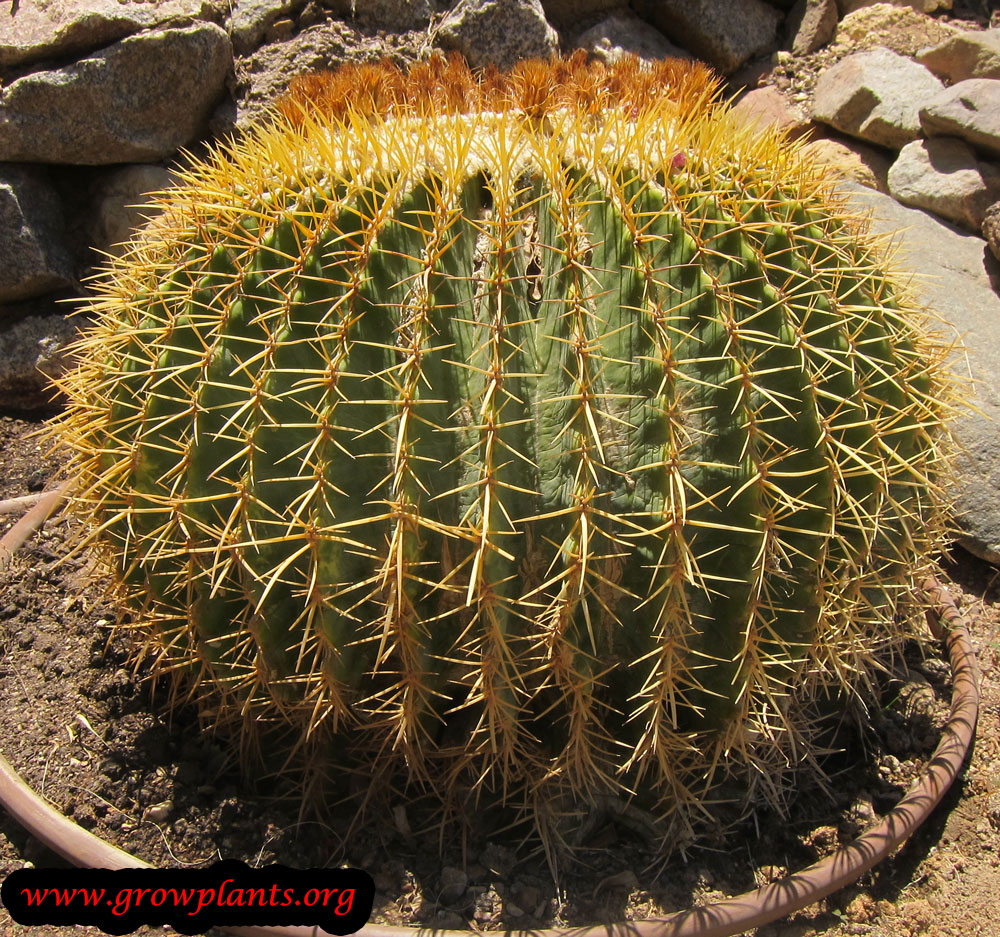
Cacti captivate with a paradoxical charm. Their rugged exteriors speak of resilience, yet beneath those prickles lies an extraordinary botanical marvel—plants that defy harsh climates and flourish where others perish. This enigmatic appeal makes them coveted additions to living spaces, radiating an exotic flair and architectural intrigue. However, their spines are not mere decoration; they are nature’s sharp-edged defense. Understanding this duality is the first step in mindful placement.
Mapping Your Home: Identifying High-Risk Zones
When bringing a cactus into your home, envision it as a silent participant in a dynamic environment bustling with unpredictable energy. Children’s exploratory instincts can transform any corner into a playground. Pets, guided by scent and curiosity, may treat every object as a toy or a snack. Before deciding where to situate your prickly companion, conduct a thoughtful “risk audit.” Areas near playrooms, low windowsills, and floor-level shelves often invite unintentional contact. Contrastingly, elevated spots or well-protected shelves become natural safe havens.
Elevated Perches: Nature’s Safeguard Against Little Hands and Paws
There is a certain poetic justice in placing cacti on lofty ledges or hanging planters—like ancient watchtowers surveying the landscape below. Heights create a natural barrier, deterring inquisitive toddlers and pets from a perilous approach. Beyond mere elevation, the stability of these perches is vital. Shaky stools or narrow edges may transform the cactus into an unintended projectile. Opt for heavy, broad-based planters or wall-mounted pots with secure brackets, ensuring your green sentinel remains steadfast yet safely aloof.

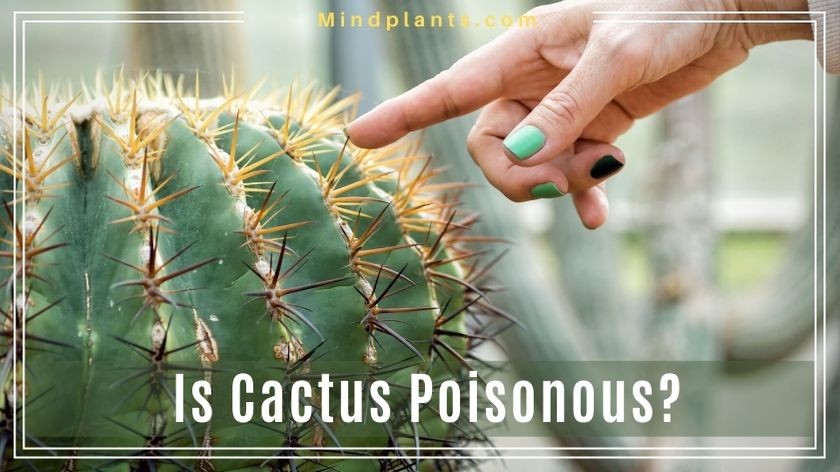
Decoding the Danger: Are Cacti Poisonous?
While the physical spines are the most apparent hazard, some cacti possess hidden biochemical defenses. The question often arises: are cacti poisonous? Fortunately, the majority are non-toxic to humans, posing risk primarily through mechanical injury—those sharp, barbed spines can cause painful punctures and scratches. However, certain species may cause irritation or mild gastrointestinal upset if chewed by pets or children. Understanding the specific species in your collection allows you to anticipate risks. When in doubt, always err on the side of caution.
Designing an Oasis: Creating a Protective Microenvironment
Think of your cactus as an inhabitant of a microcosm—a desert island within your home. Crafting a protective environment involves more than mere physical separation; it calls for an aesthetic merging of safety and style. Surround your cactus with decorative barriers like clear acrylic terrariums or braided rope fencing. Such subtle boundaries act as tactile cues to deter unintentional contact, serving as gentle reminders of the plant’s prickly nature while preserving visual harmony.
Teaching Moments: Instilling Respect and Curiosity in Kids
Beyond physical measures, fostering an ethos of respect towards plants among children transforms potential hazards into valuable lessons. Children thrive on narratives; share stories of desert landscapes, the survival instincts of cacti, and why these plants wear armor. Empowered with knowledge, children become caretakers rather than threats. Simple rules, reinforced with enthusiasm—for instance, “Look but don’t touch”—can cultivate lifelong respect for the natural world, turning each cactus into a living classroom.
Pet-Proofing Strategies: Safety for Your Furry Explorers
Pets, especially cats and dogs, bring energy and curiosity into every corner. Some breeds leap great heights, others sniff and nibble indiscriminately. Mitigating risk involves both deterrents and distractions. Spritzing plant bases with pet-safe deterrent sprays or citrus scents can discourage close inspection. Providing alternative stimulation—cat grass, chew toys, or designated plant zones—redirects attention. For more adventurous pets, a clear enclosure or placing cacti behind pet gates ensures safety without isolation.
Lighting and Placement: Balancing Plant Health and Home Safety
Cacti are sun lovers; they flourish in bright, indirect light but can endure varying indoor conditions. This necessity occasionally clashes with safety considerations—optimal light spots are often low windowsills or balcony edge points, which may be accessible to children and pets. Striking a balance demands creative solutions: using sturdy, tall plant stands that elevate cacti into sunny rooms or repositioning less hazardous plants in more vulnerable areas. Remember, a healthy cactus is a happy cactus—providing sturdiness against jolts or tumbles.
Signs of Trouble: Monitoring Your Cactus and Environment
Despite all precautions, life’s unpredictability means accidents may happen. Routinely inspecting your cactus and its surroundings is essential. Look for broken spines, soil disturbances, or signs of curious nibbling. Observing children’s play patterns and pets’ adventures helps anticipate new risks. Such vigilance allows you to adapt placements or introduce further barriers promptly, maintaining the delicate equilibrium between botanical beauty and household safety.
Conclusion: Harmonizing Growth and Safety with Prickly Grace
Cacti embody resilience and mystique—a jewel of nature’s ingenuity adorned with armor. Their integration into homes shared with children and pets is a testament to thoughtful design and care. With strategic placement, protective measures, and education, these spiny wonders can thrive joyfully without posing threat. In this dance between beauty and caution, your home becomes a sanctuary where life flourishes, curiosity is nurtured respectfully, and the desert’s silent sentinel stands proud, unharmed and unharming.
FAQ
Are cacti safe for homes with children?
Most cacti are non-toxic, but their spines can cause injuries. Proper placement and education about handling them can enhance safety.
What should I do if my pet chews on a cactus?
Monitor your pet for any signs of irritation or gastrointestinal upset and consult a veterinarian if symptoms occur.

Leave a Reply