
Short Answer
There’s an undeniable allure in the intricate geometry of a cactus — those spiky sentinels of the desert, stoic yet mesmerizing, thriving with such minimalism and resilience. The fascination with these succulents goes beyond mere aesthetics; it’s a silent homage to survival, endurance, and nature’s sculptural artistry, which has carved out a niche in the booming arena of online plant sales. “Cactus e-commerce” is more than a retail trend; it’s a celebration of this botanical marvel, a gateway to sharing this desert charm with plant enthusiasts worldwide. Yet, selling cacti online is an art and a science, balancing passionate cultivation with sharp business acumen. Here are essential tips to cultivate success in the cactus e-commerce landscape.
Understanding the Unique Appeal of Cacti in Online Marketplaces
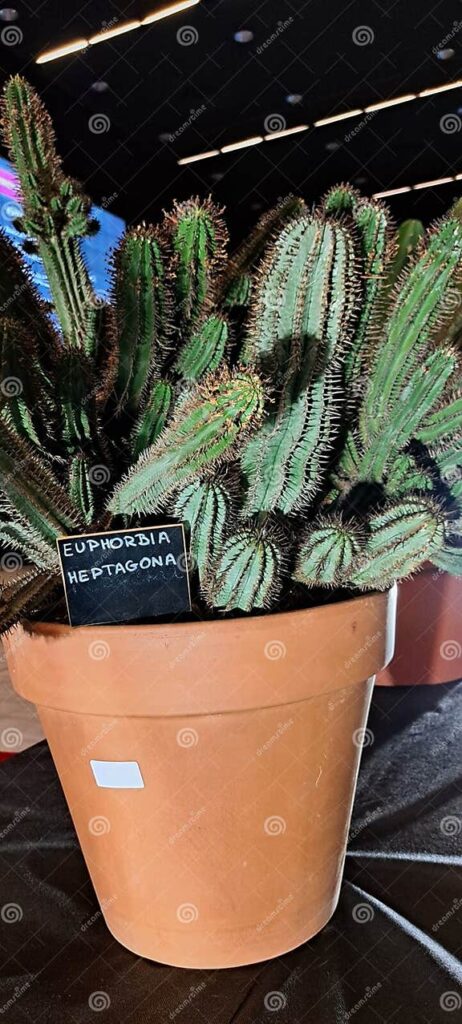
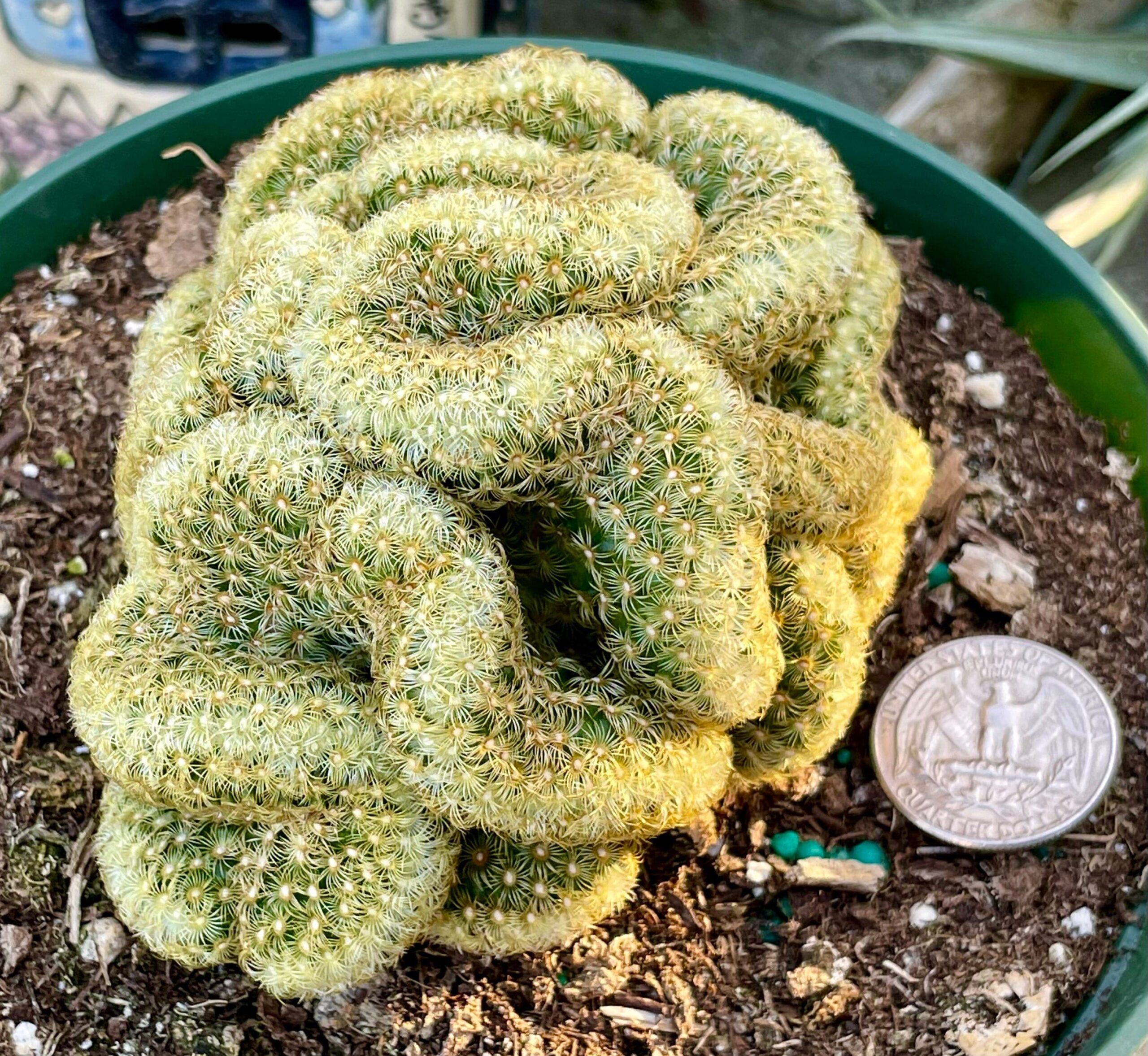
Cacti captivate because they embody paradoxes: they are both fierce and fragile, simple and complex, ancient and contemporary. Their low-maintenance nature appeals to busy urban dwellers craving greenery without the demand of high upkeep. Moreover, the diverse shapes — from globular spheres to twisted arms speckled with vibrant flowers — provide striking visual contrast to the typical houseplant assortment. This draws in collectors, decorators, and novices alike.
Online platforms amplify this allure by providing access to rare and exotic specimens previously confined by geography. Sellers must tap into this mystique by curating a compelling story around their cacti — highlighting origin stories, symbolic meanings, or unique care features. This narrative enrichment goes a long way in fostering emotional connections, converting clicks into loyal customers.

Curating an Irresistible Product Selection
Choosing the right cactus varieties is pivotal. Diversity is your ally but should be purposeful; a balance of popular classics like the Golden Barrel or Saguaro along with rare finds like the Ariocarpus or Lophophora can intrigue seasoned collectors while welcoming beginners. Offering a range of sizes — from petite desk companions to statement floor plants — expands your demographic reach.
Consider seasonal trends and plant availability to maintain a dynamic inventory. Moreover, featuring plants at various growth stages, including seedlings, allows customers to engage in the joy of nurturing their new green friends. This can elevate customer satisfaction and brand loyalty significantly.
Optimizing Online Presentation: Photography and Descriptions
In the absence of tactile engagement, images and words shoulder the responsibility of conveying a cactus’s charm and condition. High-resolution photography, employing natural lighting to highlight textures and colors, is indispensable. Multiple angles showcase the plant’s dimensionality, while contextual shots — a cactus perched on a minimalist desk or a rustic windowsill — stimulate buyer imagination.
Crafting meticulous descriptions requires a blend of botanical detail and relatable language. Detail the plant’s origin, care regimen, growth expectations, and potential challenges. Infuse enthusiasm and helpfulness — potential buyers need reassurance that these resilient plants can thrive under their care. Incorporate tips and trivia to nourish curiosity: Did you know certain cacti bloom only at night, releasing intoxicating fragrances?

Mastering Logistics: Packaging and Shipping Considerations
One of the most daunting aspects of cactus e-commerce is ensuring that these prickly treasures survive transit intact. Packaging must reconcile protection with breathability — plants need airflow to prevent rot, but also cushioning to avoid physical damage. Employing custom-fit biodegradable inserts, sturdy boxes, and moisture-retentive liners can create a micro-environment conducive to survival.
Consider the thorn factor in packaging to protect handlers and prevent punctures. Clear labeling and instructions mitigate mishandling risks. Efficient shipping methods and reliable couriers reduce transit times and exposure to adverse conditions. Offering tracking and insurance adds logistical transparency and instills confidence in buyers.
Leveraging Digital Marketing to Cultivate a Loyal Customer Base
Connecting with plant aficionados demands more than just listings — it requires a thriving community nurtured through digital storytelling and engagement. Social media platforms brim with cactus lovers sharing care tips, aesthetic displays, and their own botanical journeys. Cultivating an active presence here, through vibrant posts, behind-the-scenes glimpses, and timely responses, fosters a sense of belonging and brand affinity.
Content marketing, via blog posts or newsletters, can deepen this relationship, providing detailed care guides, spotlighting unique cactus facts, or announcing exclusive drops. Partnering with influencers or plant enthusiasts can amplify brand visibility and credibility in the plant niche.
Legal and Ethical Aspects of Selling Cacti Online
Many cacti are protected species under international regulations such as CITES (Convention on International Trade in Endangered Species). Ensuring compliance with these legal frameworks is paramount to avoid penalties and support conservation efforts. Sellers should verify plant provenance and obtain necessary permits for shipping across states or countries.
Ethical sourcing is equally critical — customers increasingly value sustainability and responsible stewardship. Emphasizing propagation over wild harvesting, adopting eco-friendly packaging, and transparent communication about sourcing can resonate deeply with conscientious consumers.
Capitalizing on Customer Feedback and Continuous Improvement
Customer reviews and feedback are invaluable in refining product offerings and service quality. Positive testimonials showcase trustworthiness, while constructive critiques illuminate areas for enhancement. Prompt and empathetic handling of issues transforms potentially negative experiences into opportunities for rapport-building.
Implementing loyalty programs, referral bonuses, or exclusive membership perks can drive repeat sales and nurture brand evangelism. Staying attuned to evolving customer preferences and market trends facilitates timely adaptation — crucial in the dynamic e-commerce landscape.
Embracing the Future: Innovations and Trends in Cactus E-Commerce
Technological advances are continually reshaping the online plant marketplace. Augmented reality (AR) tools enabling customers to virtually “place” a cactus in their space before buying, AI-driven recommendations tailoring selections to individual preferences, and automated care reminders post-purchase enhance the buying experience and reduce uncertainty.
Additionally, the rise of subscription boxes for cacti or succulent enthusiasts introduces a recurring revenue model while delivering curated plant excitement regularly. Keeping pace with these innovations can position sellers at the forefront of the niche, enchanting customers and solidifying market presence.
In the end, cactus e-commerce thrives at the intersection of passion and precision. It celebrates not only the enduring beauty of these desert denizens but also the human desire to connect with nature in ever more accessible ways. Nurturing this connection digitally requires a delicate balance — craftsmanship in curation, empathy in communication, and vigilance in execution. When done right, selling cacti online isn’t just commerce; it’s a vibrant dialogue between earth, plant, and person.
FAQ
What are the best cactus varieties to sell online?
Popular classics like the Golden Barrel and Saguaro, along with rare finds like Ariocarpus or Lophophora, are ideal.
How should I package cacti for shipping?
Use custom-fit biodegradable inserts with sturdy boxes and moisture-retentive liners to ensure plants survive transit.
What are the legal considerations for selling cacti online?
Ensure compliance with international regulations like CITES and verify plant provenance to avoid penalties.



Leave a Reply