
Short Answer
There is something undeniably captivating about cactus fibers—a resilient thread woven from one of the most unyielding plants in the natural world. Observers often find themselves intrigued by how a plant, often perceived as prickly and forbidding, yields such delicate and versatile material. This paradox—an austere desert survivor transforming into supple fiber—invites a deeper exploration into cactus fibers’ applications, especially within textiles and industry. Their story unfolds at the intersection of nature’s ingenuity and human innovation.
The Botanical Alchemy Behind Cactus Fibers
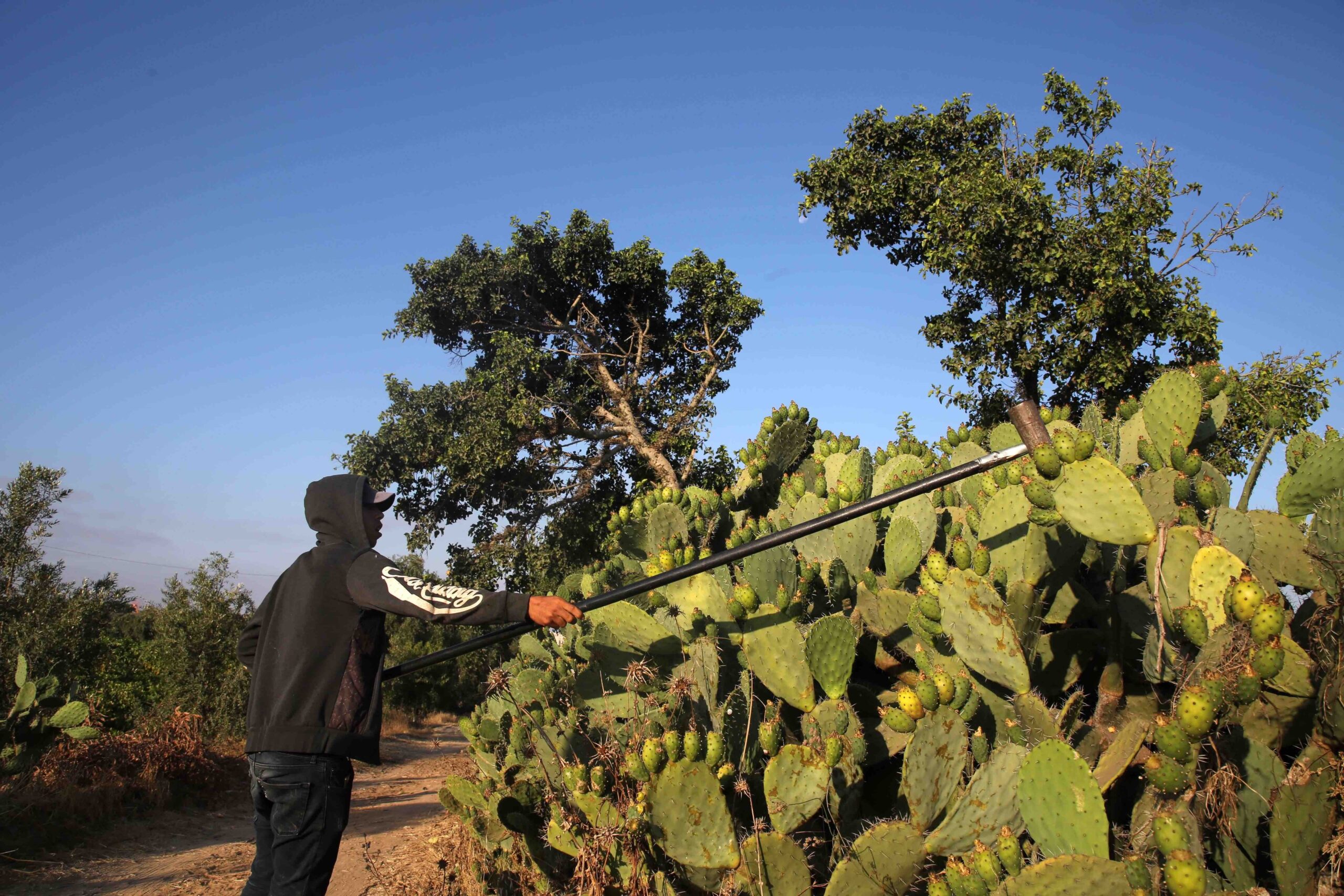
At first glance, the notion of cactus fibers conjures images of harsh desert landscapes, arid heat, and spiny silhouettes. Beneath this stark exterior, cactus plants harbor a complex structure of internal fibers crafted to retain moisture and provide incredible tensile strength. These fibers are extracted primarily from various species of cactus pads, or cladodes, most notably the prickly pear (Opuntia). The fibers owe their durability to a sophisticated mix of cellulose and lignin, conferring both flexibility and sturdiness—a combination rarely found in botanical fibers.

Through meticulous mechanical or enzymatic processing, these sturdy strands are separated, cleaned, and refined into threads that feel surprisingly soft to the touch. This metamorphosis is nothing short of botanical alchemy: transforming a plant best known for survival into a source of delicate fiber for creative craftsmanship.
Cactus Fibers in Textile Innovations: Tradition Meets Modernity
The textile world has long admired natural fibers such as cotton, flax, and hemp for their breathability and sustainability. Cactus fibers, however, are rapidly gaining recognition for their unique qualities and ecological advantages. Unlike conventional crops requiring copious water or pesticides, cactus thrives in extreme drought, demanding far fewer resources. This positions cactus fibers as a compelling alternative amid rising environmental concerns.
Artisans and designers embrace cactus fibers not only for their eco-friendly credentials but also for their remarkable aesthetic potential. The threads can be spun into yarn, woven into fabrics, or combined with other fibers to create intricate composites. Textiles derived from cactus fibers showcase a subtle, organic texture—a tactile reminder of the plant’s elemental roots. Moreover, their inherent UV resistance and antimicrobial properties make them highly functional for apparel aimed at outdoor and active wear markets.
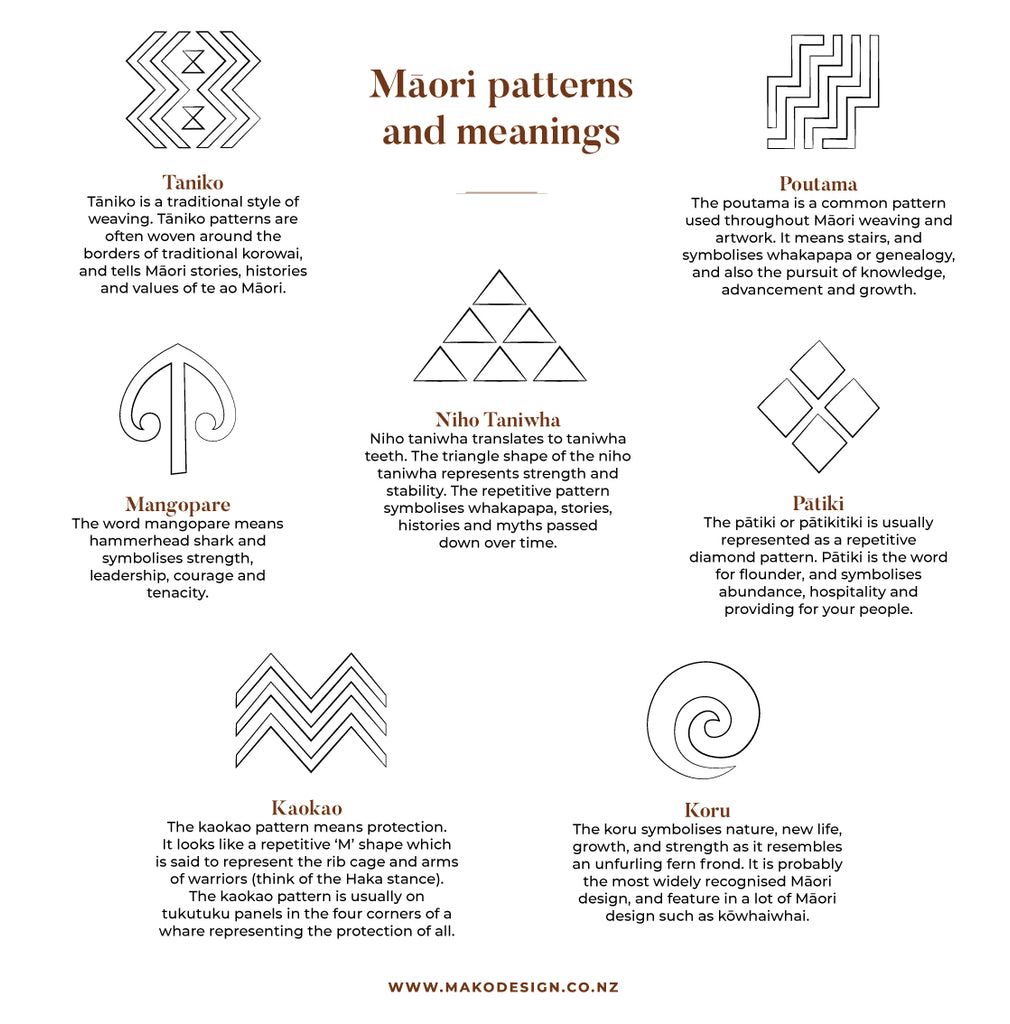
It is fascinating to witness traditional weaving techniques revitalized with cactus fibers, blending centuries-old craftsmanship with innovative materials. These textiles tell stories—of desert resilience, sustainable practices, and the inventive spirit of human hands shaping nature’s gifts.
Industrial Applications: More Than Textile Potential
Beyond apparel and artisanal textiles, cactus fibers present significant opportunities in industrial sectors. Their robustness and lightweight nature make them favorable candidates for composite materials used in automotive interiors, packaging, and insulation. As industries increasingly seek biodegradable and renewable raw materials, cactus fibers offer a remarkable balance of ecological mindfulness and functional performance.
The internal crystalline structure of cactus fibers also lends itself to research in materials science. Studies indicate these fibers hold promise for improving composite matrix adhesion, enhancing durability without adding excess weight. This balance is critical in sectors such as aerospace and construction, where structural integrity and sustainability converge.

Incorporating cactus-based fibers in industrial products is not merely a technical upgrade but a paradigm shift—ushering in materials that harmonize with the planet rather than strain it.
Sustainability and Ethical Dimensions of Cactus Fiber Production
The surge in cactus fiber utilization aligns seamlessly with global sustainability goals. Cacti grow in arid, marginal lands unsuitable for most conventional crops, effectively turning barren soil into a renewable resource base. This reduces pressure on fertile agricultural lands and curbs deforestation. Moreover, cactus cultivation enhances soil stability and promotes biodiversity in fragile ecosystems.
Ethically, cactus fiber harvesting often supports small-scale farmers and indigenous communities who have cultivated these plants for generations. When integrated into fair trade frameworks, cactus fiber industries foster economic empowerment, cultural preservation, and equitable growth. This social dimension amplifies the fibers’ allure beyond physical qualities—imbuing them with meaningful narratives of resilience and stewardship.
Challenges and Future Prospects in Cactus Fiber Adoption
Despite the undeniable allure, cactus fiber adoption faces challenges. Extraction and processing require optimization to scale up while maintaining fiber quality. Technological advancements in fiber refinement, dyeing, and blending are imperative for wider commercial acceptance. Furthermore, market education is needed—consumers must be enlightened about the virtues and versatility of cactus-derived materials.
Looking forward, hybrid innovations integrating cactus fibers with other natural or synthetic fibers could unlock unprecedented material properties. Emerging biotechnologies may enhance fiber yields and purity, driving costs down. As global textile and manufacturing industries evolve amidst environmental imperatives, cactus fibers stand poised to move from niche curiosity to mainstream marvel.
The Symbolism of Cactus Fibers: Nature’s Paradox Woven Into Fabric
Ultimately, cactus fibers symbolize more than utility—they embody paradox and poetry. From the desert’s harsh embrace arises a fiber both resilient and gentle; from scarcity, abundance emerges. This duality enchants designers, scientists, and consumers alike, offering a tactile connection to the marvels of adaptation and renewal.
Handling cactus fiber fabric is like touching a narrative of survival, innovation, and hope—threads spun not only from cellulose but from the enduring spirit of a plant that thrives where few others can. This profound allure ensures cactus fibers will continue to captivate human imagination and industry alike for years to come.
FAQ
What are cactus fibers?
Cactus fibers are natural fibers extracted from cactus pads, known for their strength, softness, and environmental sustainability.
How are cactus fibers used in textiles?
Cactus fibers are spun into yarns and woven into fabrics, appreciated for their eco-friendly properties and unique textures.
What are the industrial applications of cactus fibers?
Cactus fibers are used in automotive interiors, packaging, and insulation, offering lightweight and biodegradable alternatives.
What are the sustainability benefits of cactus fiber production?
Cactus cultivation requires less water and can grow in arid conditions, reducing pressure on agricultural lands and promoting biodiversity.
Leave a Reply