
Short Answer
In the vast tapestry of nature’s apothecary, cacti stand as emerald sentinels of survival and healing, their spiny exteriors shielding a world of medicinal wisdom. These desert dwellers—seemingly austere and unyielding—harbor a cornucopia of therapeutic marvels that have woven their way from ancient traditions into the forefront of modern medicine. To explore cacti as agents of healing is to embark on a journey through time and terrain, unlocking secrets that dance between folklore and science, resilience and innovation.
The Ethereal Roots of Cacti in Indigenous Medicine
Long before the advent of mainstream pharmaceuticals, indigenous peoples across the Americas revered cacti as herbal allies, steeped in metaphysical and corporeal significance. The cactus, to them, was more than a plant—it was a symbol of endurance and spiritual fortitude, echoing the arid land’s own harsh beauty. Traditional healers harnessed these succulent miracles in diverse ways, using their pulpy flesh, spines, and flowers to concoct remedies for ailments both tangible and intangible.
For indigenous communities, cacti often served as “medicine of the mind,” a metaphorical balm soothing psychological unrest and nurturing emotional balance. The Peyote cactus (Lophophora williamsii), for instance, has held ceremonial prominence in Native American rituals, regarded as a conduit to transcendental insight and healing. Beyond the psychoactive, many species were valued for their anti-inflammatory, antimicrobial, and hydrating properties, offering relief to desert travelers and villagers alike.
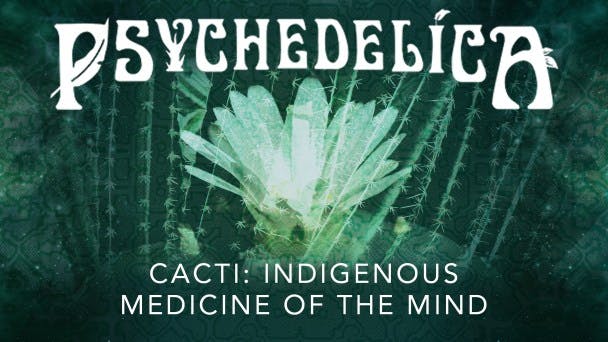
The act of harvesting cactus components was often a ceremony in itself, steeped in respect and sustainability. Every spine, every droplet of moisture held sacred potential. This intricate relationship underscored a profound understanding not only of the plant’s biological properties but also its place within a cosmology of healing that blurred the lines between mind, body, and spirit.
Coccus Cacti and the Homeopathic Renaissance
As science evolved, so too did humanity’s embrace of cacti’s medicinal virtues, branching into alternative paradigms like homeopathy. One particularly fascinating entity, the Coccus Cacti, emerged as a homeopathic remedy with a niche yet impactful presence. Derived not from the cactus itself but from insect secretions on cactus plants, this remedy exemplifies the curious intersections between botanical and entomological medicine.

Homeopaths have employed Coccus Cacti preparations to tackle conditions ranging from digestive disturbances to neurological complaints. Its use is emblematic of homeopathy’s ethos—treating the patient holistically and with subtle energetic cues. The subtlety of Coccus Cacti’s therapeutic touch contrasts intriguingly with the cactus’s rugged physical form, speaking to the paradoxical nature of these desert marvels as healers.
The resurgence of interest in homeopathic cactus remedies also underscores a broader trend: a yearning for treatments that reconnect us with nature’s rhythms. Here, the cactus morphs from a botanical oddity into a symbol of integrative health, where ancient whispers meet the modern call for gentle, personalized care.
Phytochemical Wonders Embedded in Cacti
Beyond cultural and homeopathic realms, cacti possess an arsenal of phytochemicals that science continues to unravel with enthusiastic curiosity. Rich in antioxidants, flavonoids, alkaloids, and polysaccharides, these biochemical treasures equip cacti with potent anti-inflammatory, antimicrobial, and immunomodulatory capabilities.
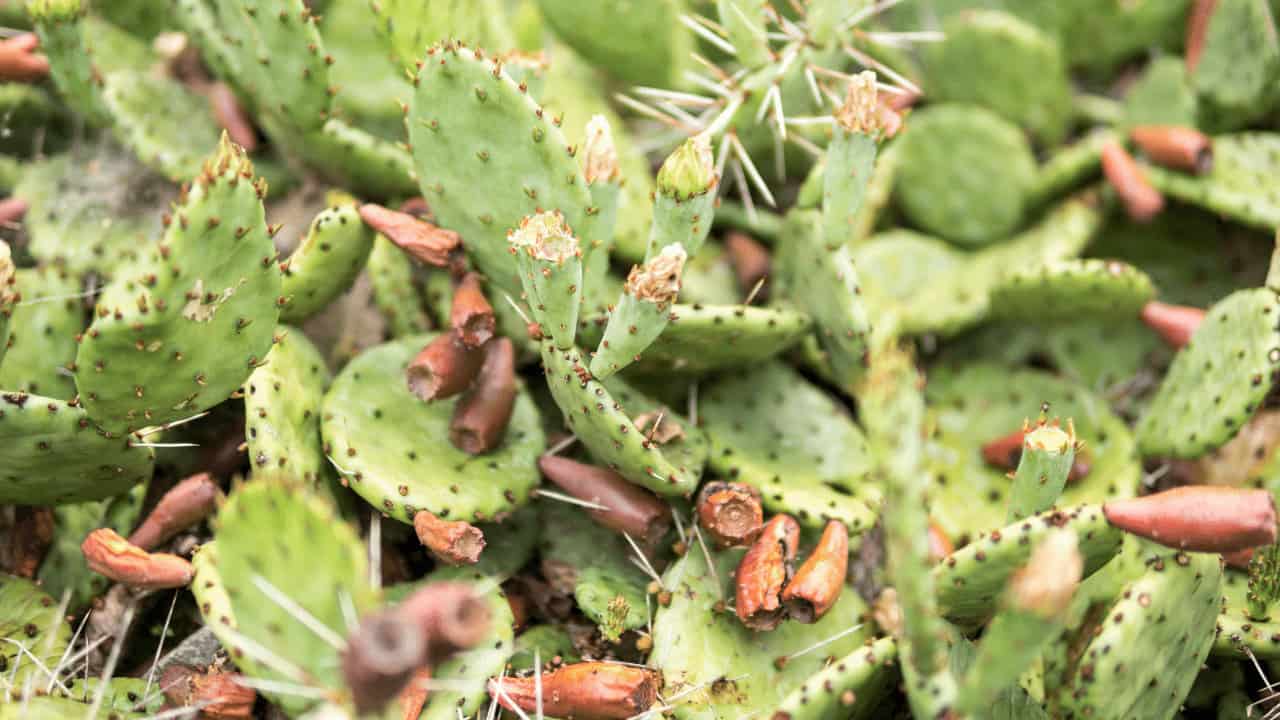
Take the prickly pear cactus (Opuntia species), for example. Its vibrant pads and fruits have been studied extensively for their capacity to regulate blood sugar, reduce cholesterol, and mitigate oxidative stress. Nutritionally dense and biologically active, the prickly pear functions as both nourishment and pharmaceutical—a dual identity rarely seen in nature.
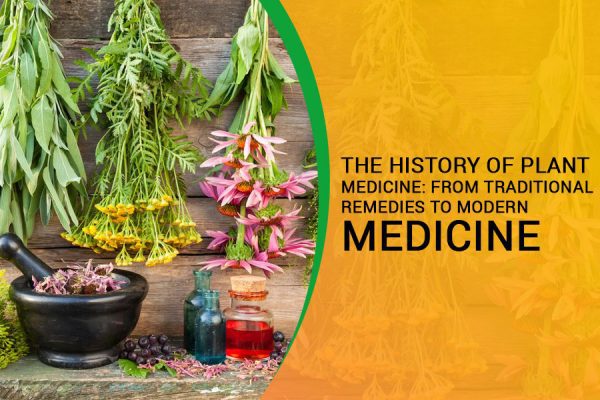
Modern phytopharmacology has leveraged these compounds to develop extracts and supplements coveted in holistic wellness circles. The cactus’s ability to thrive under extreme drought conditions also inspires biochemists searching for resilient, sustainable sources of medicine—reminding us that some of the most profound healing agents can emerge from the harshest environments.
Modern Medical Applications and Future Horizons
Progressive medical research increasingly integrates cactus derivatives into contemporary treatments. Their bioactive constituents serve as blueprints for novel drugs, particularly in managing diabetes, inflammatory disorders, and skin conditions.
In dermatology, cactus mucilage—a viscous gel extracted from cactus pads—has been celebrated for its moisturizing and wound-healing properties, offering an organic alternative to synthetic emollients. As patients seek gentler yet effective remedies, cacti furnish a natural arsenal against dryness, irritation, and cellular damage.
The pharmacological potential doesn’t stop there. Clinical trials continue to explore cactus extracts’ role in cardio-protection, cancer adjunct therapies, and neuroprotection. This burgeoning body of research hints at a future where cacti transcend their desert origin myths to become staples in integrative medicine, bridging the wisdom of ancients with cutting-edge innovation.
Cacti: Nature’s Testament to Healing Resilience
In the end, cacti embody a compelling metaphor for healing itself—thorny, resilient, often overlooked, yet holding within a reservoir of life-affirming power. Their journey from traditional indigenous remedies to the laboratories of modern science illustrates the timeless dance between human ingenuity and nature’s enduring wisdom.
More than mere succulents, cacti are botanical sentinels reminding us that healing can be found in the most unexpected forms—sometimes encased in spikes, sometimes whispered through ceremonial rites, and sometimes distilled into the newest therapeutic breakthroughs. Embracing cacti as healers invites us to expand our understanding of medicine, cultivating respect for the intricate relationships between ecosystems, cultures, and the human body.
FAQ
What are the medicinal uses of cacti?
Cacti are used for their anti-inflammatory, antimicrobial, and hydrating properties.
Which cactus has psychoactive properties?
The Peyote cactus (Lophophora williamsii) is known for its psychoactive effects.
How are cacti used in modern medicine?
Cacti derivatives are being explored for their roles in managing diabetes, skin conditions, and more.

Leave a Reply