
Short Answer
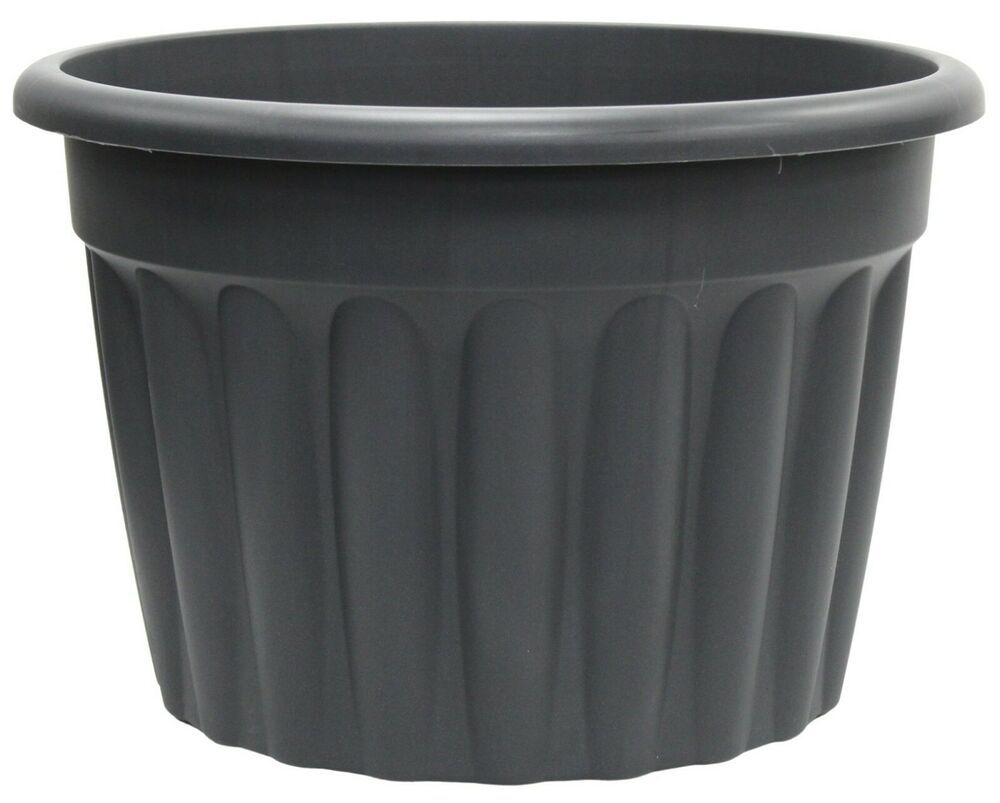
When it comes to cultivating flourishing garden landscapes or creating vibrant indoor jungles, one aspect often overlooked is the importance of the right container for your larger plants. Specifically, the choice of plastic plant pots—especially the bigger varieties—can profoundly influence plant health, aesthetics, and growth potential.
In this article, we will delve deep into the nuances of selecting the best large plastic plant pots. Understanding the underlying factors that come into play will not only enhance the gardening experience but will also speak to the fascination many have with nurturing plants through proper care and optimal environments.
Understanding the Necessity of Size
Plants, like any living organism, require adequate space to thrive. As they grow, their roots extend and spread. Large plant pots, often available in various dimensions, provide an essential foundation for this growth. The correlation between pot size and root development is critical; plant roots need room to breathe, explore, and accumulate water and nutrients. Insufficient pot size can lead to stunted growth, root-bound conditions, and ultimately, plant distress.
Additionally, large pots tend to stabilize soil moisture more effectively than their smaller counterparts. With an ample volume, they can retain moisture for longer periods, reducing the frequency of watering. This is particularly advantageous for busy individuals or in arid climates where water conservation is paramount.
Moreover, larger pots can provide better thermal regulation. During warmer months, a substantial pot can keep soil temperatures more consistent, facilitating healthier root environments. In contrast, smaller pots—particularly plastic ones—can heat up quickly, risking both root damage and moisture loss.
Material Matters: The Versatility of Plastic
The world of gardening containers showcases various materials, but plastic has remains a favored choice for many due to its myriad advantages. Plastic is lightweight yet durable, making movement and arrangement remarkably simple. This is particularly beneficial for those who like to rearrange their plants seasonally or depending on specific environmental conditions.
Beyond mere convenience, modern advancements in plastic technology have allowed for the creation of pots with varying thicknesses and structures that resist fading, cracking, and even UV-related degradation. When selecting large plastic plant pots, it’s worthwhile to investigate those made from high-density polyethylene (HDPE) or polypropylene, as they tend to exhibit greater longevity under diverse environmental stressors.
Another benefit of plastic is the vast array of designs available. From sleek, modern styles to textured, traditional pots, the aesthetic component cannot be overlooked. A pot that complements plant foliage can contribute to a cohesive design theme in both indoor and outdoor spaces, making them not only functional but also decorative.
Drainage Dynamics: A Crucial Consideration
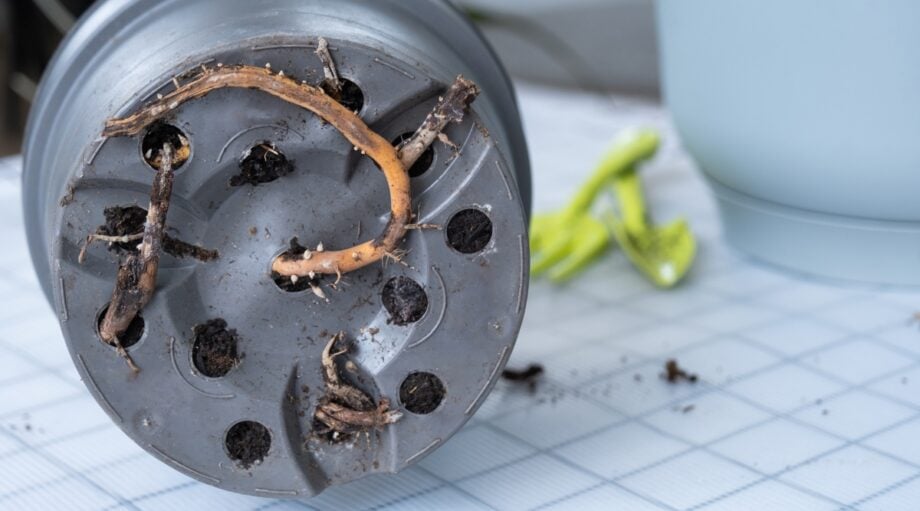
When discussing plastic plant pots, it’s imperative to consider drainage. Soil that retains excess water can lead to root rot—a common issue that can devastate large plants. Therefore, ensuring that your large pots feature adequate drainage holes is essential. Many modern plastic pots come with built-in drainage systems designed to prevent water accumulation while enabling easy access to the roots for essential nutrients.
Some gardeners opt for pots equipped with self-watering systems, enhancing this dynamic further. Such systems can bring about a semi-hydroponic experience that is advantageous in maintaining consistent moisture levels, particularly for moisture-loving species.
Additionally, layering your pot with materials such as gravel or specialized soil additives can further enhance drainage capabilities, ensuring that your plants maintain optimum hydration without drowning. These layers help create air pockets that facilitate healthier root systems, allowing roots to ‘breathe’ while soaking up moisture efficiently.
Choosing the Right Size: Going from Small to Large
While it’s tempting to select the largest pot available to accommodate the plants’ growth, it’s essential to transition thoughtfully. Repotting larger plants into oversized containers can lead to issues with overwatering and root suffocation. Understanding the growth stage of your plant and its specific root structure can guide you in selecting an ample, yet appropriate size.
For example, when placing a newly propagated cutting or a small plant into a large pot, it may be beneficial to start with a small-to-medium option. This speeds up the establishment of roots, ensuring that they can access nutrients without the soil becoming overly saturated with water. As the plant matures, switching to larger pots becomes vital for sustained growth, facilitating a symbiotic relationship between the root system and the container.
Furthermore, aesthetics should also play a role. An oversized pot might overshadow a delicate plant, while a smaller pot fails to create the intended visual impact. Understanding the visual balance and proportionality between the plant and the container adds another layer of consideration during the pot selection process.
Environmental Responsibility: Sustainable Choices
As the world grapples with environmental challenges, many consumers are turned towards sustainable gardening methods, which also include the choice of pots. Some manufacturers are producing recycled plastic pots that maintain all the advantages of traditional plastic while reducing the environmental footprint. Exploring biodegradable alternatives is also worthwhile, especially for those looking to embrace eco-friendly gardening practices.
Conclusion
Choosing the right large plastic plant pots is a nuanced endeavor grounded in understanding the needs of your plants, the benefits of the materials selected, and the optimal management of drainage and space. The fascination surrounding the cultivation of plants through these bridges between nature and nurture is deeply rooted in our desire to create thriving green sanctuaries in our homes and outdoor areas. By integrating informed choices into the gardening process, enthusiasts can create environments that nurture plant life while also enriching their environment.
FAQ
Why is pot size important for large plants?
Pot size is crucial because large plants need sufficient root space to grow healthily, avoid root bound conditions, and maintain proper moisture and nutrient uptake.
What are the benefits of using plastic plant pots?
Plastic pots are lightweight, durable, resistant to UV damage, available in many styles, and often more affordable, making them versatile for both indoor and outdoor gardening.
How does drainage affect plant health in plastic pots?
Proper drainage prevents water accumulation which can cause root rot, ensuring roots receive adequate oxygen and nutrients.
Can I use recycled plastic pots for my plants?
Yes, recycled plastic pots maintain the benefits of traditional plastic pots while reducing environmental impact, supporting sustainable gardening practices.
Should I always choose the largest pot available for my plant?
Not necessarily; selecting a pot size appropriate to the plant’s growth stage avoids overwatering and root suffocation, promoting healthier development.
Leave a Reply