
Short Answer
Imagine stepping onto your patio or deck, the golden hour sun casting long shadows, and your eyes are immediately drawn to a sculptural masterpiece of spiny elegance. Not a sculpture, but living art—cacti, thriving in containers, redefining the very essence of outdoor style. This isn’t just about plants; it’s about transforming your outdoor space into a sanctuary of texture, form, and unexpected personality. Welcome to the world of cactus container styling, where every pot becomes a statement and every spine tells a story.
The Alchemy of Scale: Matching Cactus to Container
There’s a subtle magic in pairing a cactus with its vessel. A towering Mexican Fence Post demands a container that whispers grandeur—think a rugged, weathered concrete planter, its raw edges echoing the cactus’s vertical exclamation mark. Conversely, a diminutive Moon Cactus thrives in a petite, glossy ceramic pot, its vibrant pink topknot contrasting against the smooth surface like a brushstroke of neon against a canvas. The key? Balance. A cactus too large for its pot appears top-heavy, while one too small gets lost in the shuffle. Measure the cactus’s height and width, then choose a container that leaves breathing room—about an inch of space around the base is ideal. This isn’t just aesthetics; it’s about ensuring the roots have room to stretch and the soil can breathe, preventing rot in these desert-born beauties.

Textural Dialogues: Creating Layers with Foliage and Spines
Cacti are the sculptors of the plant world, their spines and ribs forming intricate patterns that beg to be touched (if not for the prickles). But why stop at the cactus itself? Introduce companion plants to weave a tapestry of texture. A trailing String of Pearls spills over the edge of a hanging pot, its bead-like leaves softening the cactus’s sharp silhouette. Nearby, a Silver Dollar Jade adds a buttery, rounded contrast to the angular spines of an Echeveria. The interplay isn’t just visual; it’s tactile. Run your fingers over the waxy leaves of a Haworthia, then hesitate before the bristly spines of a Barrel Cactus. This contrast invites interaction, turning your patio into a sensory experience. For maximum drama, group cacti with varying spine densities—fine, hair-like spines of a Mammillaria against the bold, hooked spines of a Saguaro—to create a visual symphony that shifts with the light.
The Color Palette: Beyond Green and Gray
Cacti aren’t just green. They’re a riot of hues—blush pinks, electric oranges, deep purples, and even near-black. A Pincushion Cactus in a terracotta pot radiates sunset tones, while a Blue Columnar Cactus in a white ceramic planter looks like a shard of glacial ice. But color isn’t just about the cactus; it’s about the container too. A matte black pot makes the vibrant pink of a Moon Cactus pop like a neon sign, while a sage-green glaze on a pot subtly echoes the muted tones of a Ghost Plant. For a cohesive look, stick to a monochromatic scheme—all whites, all blues, or all terracotta—or go bold with complementary colors, like a fiery red cactus against a cobalt blue pot. Don’t forget the soil, either. A layer of black lava rock or white pebbles can tie the color story together, adding another dimension to your display.

Structural Choreography: Arranging Cacti for Visual Flow
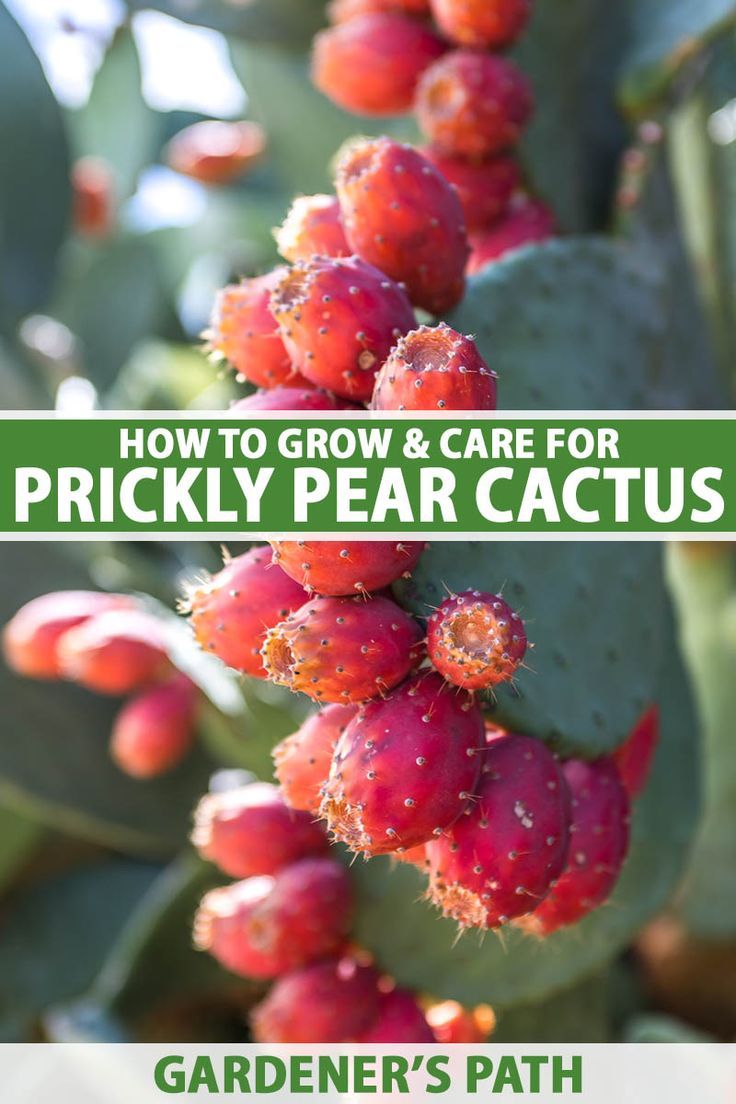
The way you arrange your cacti containers can turn a static patio into a dynamic landscape. Start with the tallest specimen as your anchor—perhaps a San Pedro Cactus—and place it at the back or center of your display. Then, layer in mid-sized cacti like Prickly Pears or Christmas Cacti, their flat pads creating horizontal interest. Finally, tuck in trailing plants or low-growing succulents like Sedum or Echeveria to fill gaps and soften edges. For a modern twist, try an asymmetrical arrangement, where one container is dramatically offset from the others, creating a sense of movement. Or, for a whimsical touch, cluster containers of varying heights and sizes in a corner, mimicking a desert outcrop. The goal? To guide the eye in a journey, not a straight line. Let the arrangement feel organic, as if the cacti have naturally settled into their spots over time.
Seasonal Sorcery: Adapting Your Display Through the Year
A cactus container display isn’t static; it’s a living, evolving canvas. In spring, introduce pastel-hued cacti like Pink Fairy Cactus or Lophophora to echo the season’s soft palette. Summer calls for bold, sun-drenched hues—think Golden Barrel Cacti and Agave—paired with containers in warm terracotta or sun-bleached wood. As autumn arrives, swap in cacti with deep reds and oranges, like Christmas Cacti or Opuntia, and pair them with containers in burnt sienna or copper. Winter is the time for drama: dark, moody containers—black, deep green, or slate gray—paired with cacti like Black Spineless Opuntia or Echeveria ‘Black Prince’ to create a stark, elegant contrast against the bare branches of nearby trees. Don’t forget to rotate containers occasionally to ensure even sun exposure, preventing your cacti from leaning toward the light like sun-starved sentinels.

The Illusion of Depth: Playing with Perspective and Light
Great container displays aren’t just about the plants; they’re about the space they inhabit. To create the illusion of depth, place taller cacti at the back and shorter ones at the front, but don’t be afraid to break the rules. A single, dramatically placed Saguaro in a tall, slender pot can act as a focal point, drawing the eye upward and creating a sense of height in a small space. Lighting is another tool in your arsenal. A string of fairy lights draped around a cluster of containers can transform your patio at dusk, casting a warm glow that makes the spines of your cacti shimmer. For a more dramatic effect, use spotlights to highlight specific plants, casting long shadows that dance across the ground as the sun sets. The interplay of light and shadow isn’t just decorative; it’s a way to make your cactus display feel alive, even after the sun goes down.
Maintenance as an Art Form: Keeping Your Display Pristine
Cacti are low-maintenance, but that doesn’t mean no-maintenance. The key to a stunning display is consistency. Water sparingly—only when the soil is completely dry—and always from the bottom to avoid wetting the spines, which can lead to unsightly water spots. Dust the spines gently with a soft brush or a blast of air from a can to keep them looking their best. Rotate containers every few weeks to ensure even growth, and fertilize sparingly with a cactus-specific fertilizer during the growing season. Prune dead or damaged pads with a clean knife, and watch for pests like mealybugs or scale, which can hitch a ride on new plants. The goal isn’t perfection, but a display that feels intentional, as if each cactus has been carefully curated and nurtured over time. After all, the best container displays aren’t just seen; they’re experienced.
FAQ
What size container should I use for my cactus on a patio?
Select a container that provides about an inch of space around the cactus base to allow root growth and soil aeration.
How can I combine different cacti in one container effectively?
Group cacti with varying spine densities and heights to create a textured and visually interesting arrangement.
How should I water container cacti outdoors?
Water only when the soil is completely dry, and water from the bottom to avoid wetting the spines.
How do I adapt my cactus container display through the seasons?
Change cactus varieties and container colors to match seasonal palettes, and rotate containers for even sun exposure.

Leave a Reply