
Short Answer
The Cylindropuntia genus, commonly known as cholla cacti, captivates gardeners and succulent enthusiasts alike with its striking silhouette and fascinating adaptations. These spiny desert natives boast an intriguing blend of ruggedness and beauty, making them a beloved addition to xeriscapes and succulent collections. Yet, caring for these unique plants while safely handling their notorious spines requires a thoughtful approach that blends horticultural know-how with cautionary practices. Dive deep into the essential guide on Cylindropuntia care—unravel the secrets to growing these resilient succulents and mastering the art of safe handling.
Understanding Cylindropuntia: Diversity and Characteristics
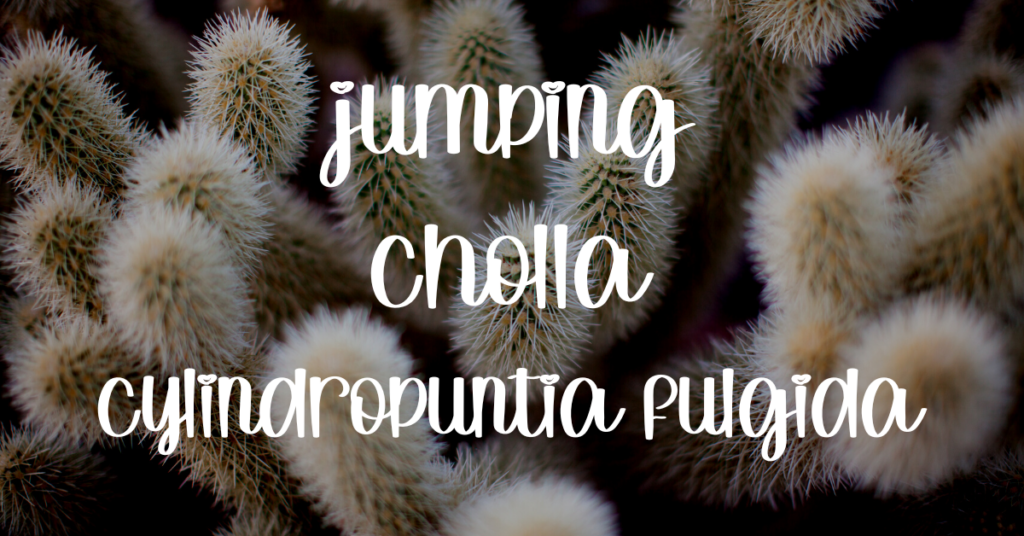
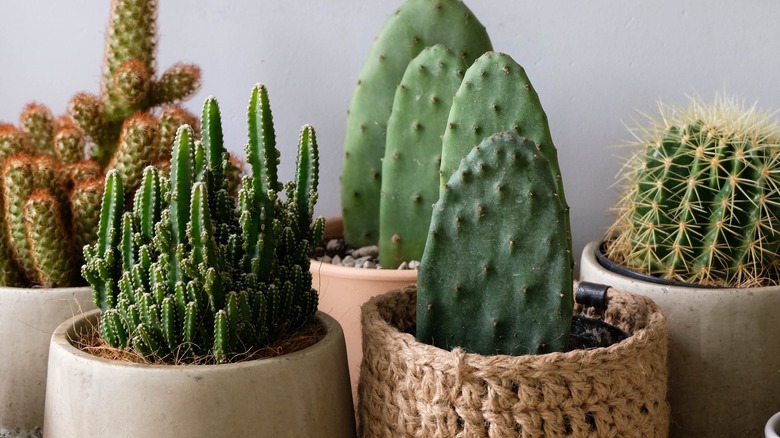
Cylindropuntia encompasses a diverse array of species often recognized by their jointed stems, woody structure, and formidable spines that serve as both protection and water conservation mechanisms. From the iconic Chain-Link Cholla, with its dense clusters of cylindrical stems, to the visually captivating Jumping Cholla, known for its easily detachable segments, these plants each display unique traits that influence their cultivation requirements and handling precautions.
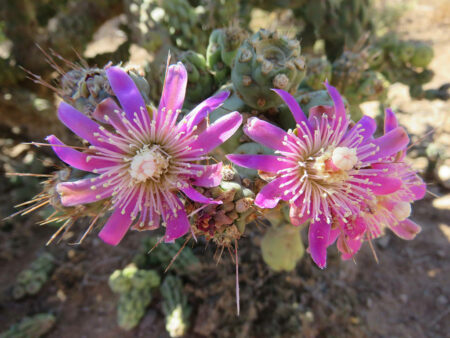

Their distinctive spination varies widely between species—from fine, hairlike spines that shimmer in the sunlight to thick, barbed hooks adept at hitchhiking on unsuspecting passersby. Such diversity demands an informed perspective when choosing the right cholla for your environment, as well as adopting suitable methods for growth and care.
Optimal Growing Conditions for Vibrant Cylindropuntia
Thriving in arid regions, Cylindropuntia cacti are epitomes of drought tolerance. To cultivate vigorous specimens, replicating their native habitat’s climatic conditions is paramount. These cacti require:
- Sunlight: Unabated access to full sun—at least 6 hours daily—is essential for robust growth and flowering. Insufficient light can result in etiolated, weak stems vulnerable to damage.
- Soil: Exceptionally well-draining substrates avert the risk of root rot. A gritty mix composed of coarse sand, perlite, and decomposed granite fosters optimal drainage. Avoid heavy soils that retain moisture.
- Temperature: Warm temperatures encourage active growth. Most Cylindropuntia thrive between 70–100°F (21–38°C) during growing months, with some species tolerating occasional chilly nights down to 25°F (-4°C), though frost protection is advisable.
- Watering: Emulating natural desert rains, watering should be sparing yet consistent during active growth in spring and summer. Allow soil to dry completely before subsequent irrigation. Minimize watering in dormant winter months to prevent fungal afflictions.
Propagation Techniques: Expanding Your Cholla Collection
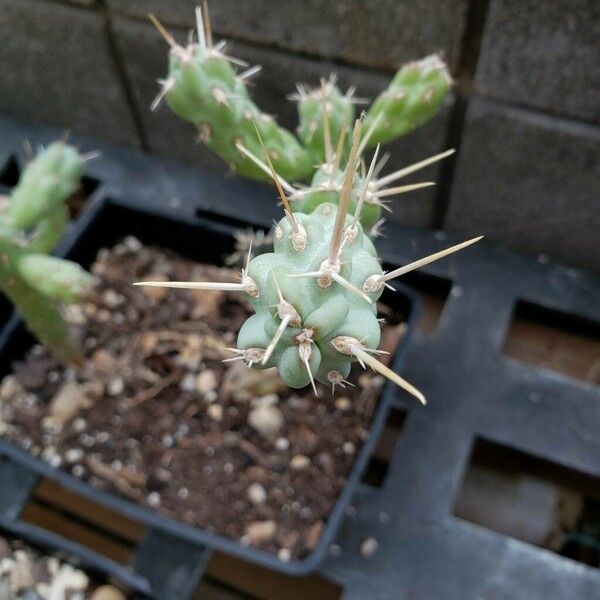
Propagation of Cylindropuntia is intriguingly straightforward, often accomplished via stem cuttings or detached joints, which readily root under suitable conditions. This feature makes the Jumping Cholla particularly infamous, as its segments detach with minimal provocation—an adaptation for natural dispersal.
To propagate:
- Allow cut or detached segments to cure for several days until the cut end forms a callus. This critical step reduces the chance of rot upon planting.
- Insert the segment vertically into a coarse, well-draining medium, providing gentle, indirect light during the initial rooting phase.
- Water sparingly, only enough to prevent complete desiccation, as excessive moisture invites fungal problems.
Persistence during this delicate rooting phase pays off, allowing new plants to establish a strong root system before transitioning into full sun and regular care regimens.
Managing Pests and Diseases in Cylindropuntia
Despite their hardy nature, Cylindropuntia cacti can fall prey to certain pests and ailments that warrant vigilant monitoring. Common culprits include:
- Scale insects: These tiny parasites latch onto stems, sucking out vital nutrients and producing sticky honeydew that fosters mold growth.
- Mealybugs: White, cotton-like infestations that cluster around joints and crevices can weaken plants if unattended.
- Fungal infections: Root rot and stem rot often stem from overwatering or poor drainage, stressing the plant and causing decay.
Proactive management entails regular inspection, prompt removal of affected areas, and use of appropriate horticultural oils or insecticidal soaps. Proper watering discipline and ensuring ample airflow around plants cultivate an inhospitable environment for these nuisances.
Handling Cholla Cacti Safely: Tips and Tools
One cannot emphasize safety enough when working with Cylindropuntia. Their spines are not only sharp but equipped with tiny barbs that anchor firmly into skin and fabric, making removal difficult and painful. Here are strategies to handle cholla with confidence:
- Protective Gear: Always wear thick leather gloves, long sleeves, and eye protection. Consider using heavy-duty tongs or pliers for positioning or pruning.
- Handling Technique: Avoid direct contact whenever possible. When moving plants outdoors or repotting, gently coax the cactus with tools rather than bare hands.
- Segment Removal: Use garden shears to excise unwanted joints carefully. Wrap removed segments securely to prevent accidental punctures.
If spine penetration occurs, use fine tweezers to extract the barbed segments slowly, sanitizing the wound afterward to prevent infection. In some cases, professional medical attention is advisable, especially if spines are deeply embedded.

Incorporating Cylindropuntia in Landscape Design
Beyond their botanical allure, cholla cacti contribute distinctive architectural texture to xeric gardens and desert landscapes. Their dramatic, sculptural forms create natural focal points and add unparalleled desert authenticity.
When integrating Cylindropuntia into your landscape:
- Position them away from high-traffic areas to minimize accidental contact while allowing their dynamic forms to shine.
- Surround with complementary succulents and drought-resistant plants to form sustainable clusters that thrive under similar conditions.
- Utilize gravel or decomposed granite mulches to enhance drainage and reflect light, accentuating the cacti’s spiny silhouettes.
Thoughtful planning accentuates their natural beauty while respecting safety—a balance that invites both admiration and practicality.
Seasonal Care Adjustments for Year-Round Health
Caring for Cylindropuntia is a dynamic process that tailors to seasonal rhythms. In the vigorous growing seasons of spring and early summer, increased water and nutrient supplementation (via diluted cactus fertilizers) can boost bloom performance and segmentation. Conversely, autumn signals a gradual slowdown requiring reduced irrigation and elimination of fertilizer to prepare the plant for dormancy.
During winter, shielding cholla from prolonged frost or excessive moisture is crucial. Utilizing frost cloths or indoor greenhouse setups for colder regions ensures survival. Periodic inspection for latent pests during dormancy also safeguards against infestations reemerging when warmth returns.
Conclusion: The Reward of Cholla Cultivation
Mastering the care and handling of Cylindropuntia awakens a rewarding relationship with one of the desert’s most iconic survivors. These cholla cacti transcend ordinary succulents, inviting a blend of respect and fascination from their custodians. With informed growing techniques, meticulous pest management, and vigilant safety precautions, cholla cultivation flourishes—offering rugged elegance that transforms any collection or landscape into a desert marvel.
FAQ
What are the optimal growing conditions for Cylindropuntia?
Cylindropuntia cacti thrive in full sunlight, well-draining soil, warm temperatures, and require minimal watering.
How can I propagate cholla cacti?
Propagation can be done via stem cuttings or detached joints, allowing cut ends to callus before planting in well-draining soil.
What pests are common in Cylindropuntia?
Common pests include scale insects and mealybugs, which can weaken the plants if not managed properly.
How should I safely handle cholla cacti?
Wear protective gloves and long sleeves, and use tools to avoid direct contact with the spines.
Leave a Reply