
Short Answer
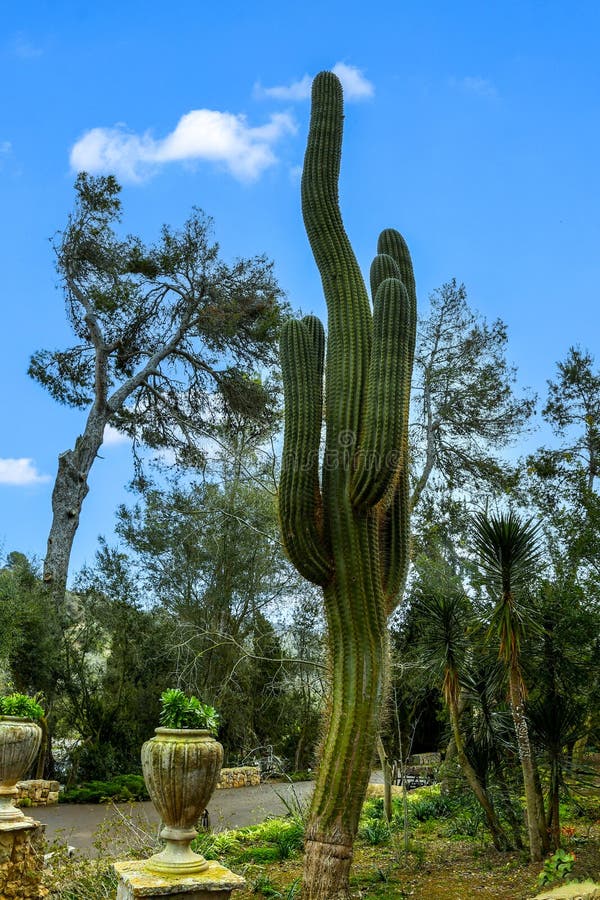
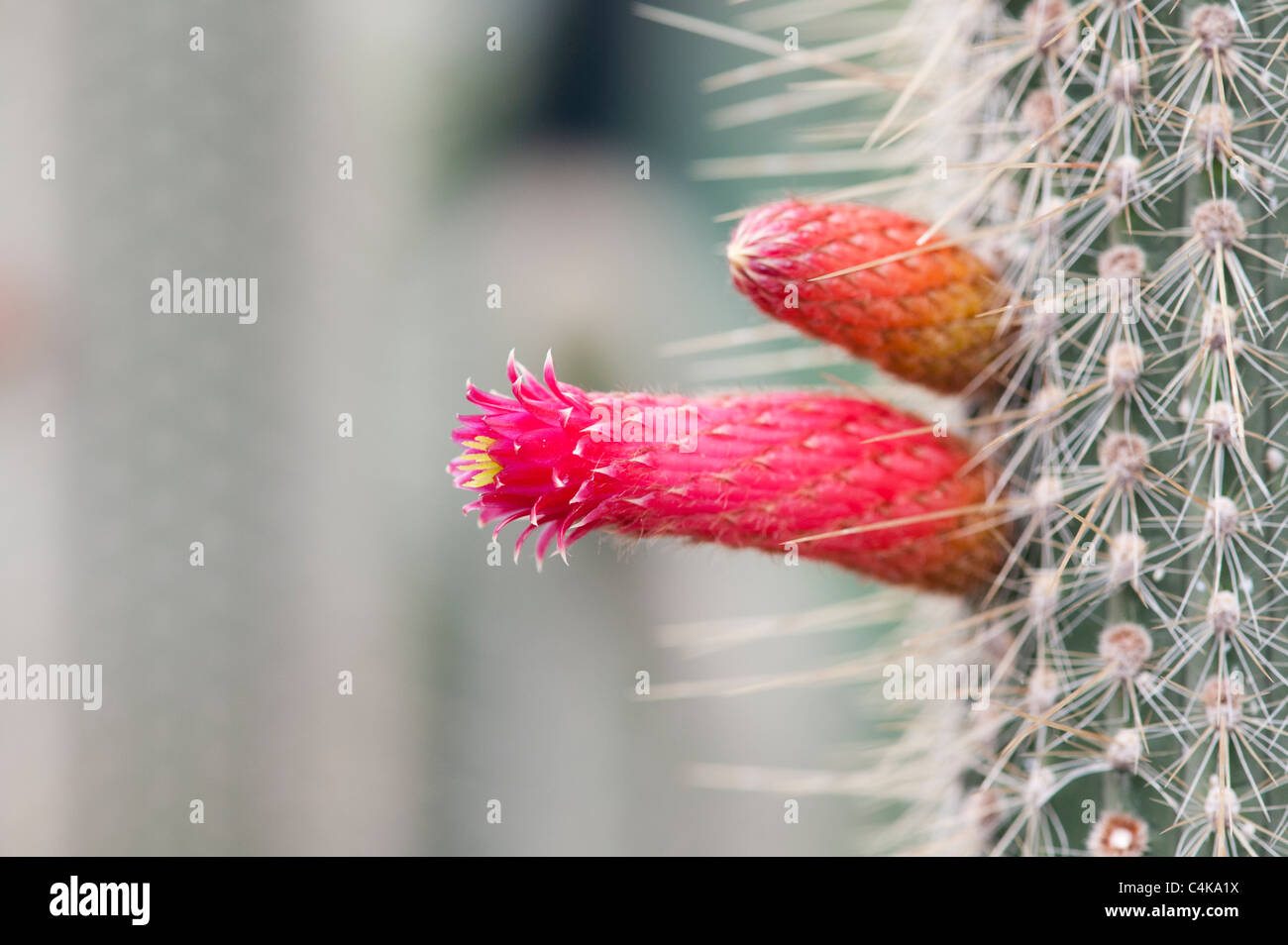
The Saguaro cactus, scientifically known as Carnegiea gigantea, is much more than a mere desert plant. It evokes wonder, symbolizing the arid beauty and resilient spirit of the American Southwest. This towering sentinel of the Sonoran Desert enchants onlookers with its grand stature and sculpted arms stretching skyward. But why does it captivate so profoundly? Beyond its iconic silhouette lies a story of endurance, slow growth, and profound ecological importance. Understanding and successfully cultivating this majestic cactus reveals layers of desert lore and botanical fascination, inviting gardeners and enthusiasts alike to embark on a journey of patience and reverence.
Understanding the Natural Habitat of Carnegiea gigantea
To truly care for the Saguaro cactus, one must first appreciate the precise environmental conditions in which it thrives. Native to the Sonoran Desert, this vast expanse is defined by scorching daytime temperatures, chilly nights, and a bimodal rainfall pattern. The saguaro has evolved to withstand intense drought, soaking up moisture during infrequent rains and conserving it meticulously over dry spells. Its spiny epidermis protects it from predation and reduces water loss. Mimicking these environmental parameters is essential for any successful cultivation, whether in an arid garden or a specialized greenhouse.
Selecting the Right Location: Sunlight and Soil Requirements
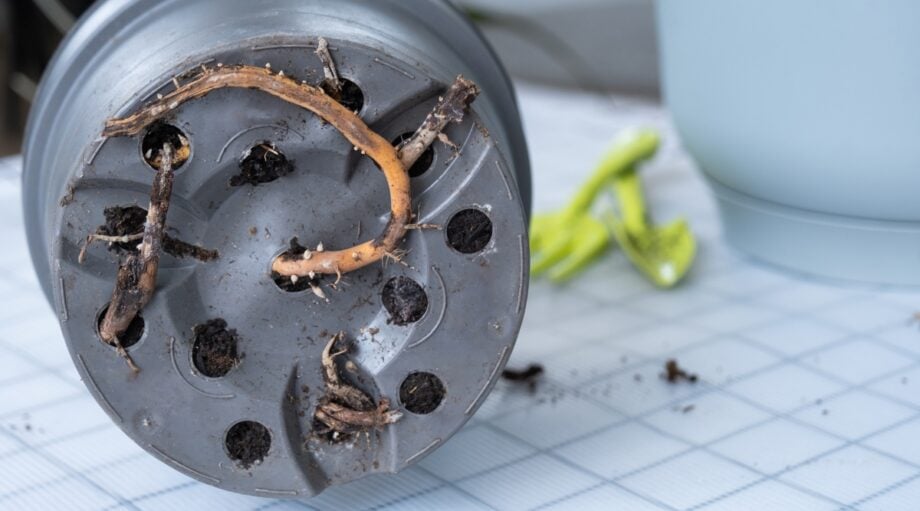
Carnegiea gigantea is a sun worshipper. It demands unfiltered, intense sunlight to maintain its physiological functions and robust growth. Placing your cactus in a location where it can bask in direct sunlight for six or more hours each day is paramount. Soil composition is equally critical. Ideal substrate is extremely well-draining, often a gritty mixture of coarse sand, gravel, and decomposed granite. Compact, heavy soils induce root rot — a fatal adversary. Replicating this profile ensures roots receive ample oxygen and can avoid water stagnation.
Watering: Embracing the Desert Rhythm
Watering the Saguaro cactus demands a delicate balance — one that echoes the desert’s sporadic hydration. Overwatering is the quickest route to decay. The saguaro’s pleated flesh stores water like a reservoir, expanding after rains and contracting as moisture is consumed. During the growing season, moderate watering every two to four weeks is sufficient, allowing the soil to dry completely between intervals. In the dormant winter months, watering should be minimized drastically, sometimes withheld entirely, to simulate natural aridity. Observing the plant’s firmness and color can guide you in detecting watering needs.
Temperature Tolerance and Protection
While the Saguaro exhibits remarkable heat tolerance, it is surprisingly sensitive to prolonged freeze events. Temperatures below 20°F (-6°C) can cause tissue damage, especially to young specimens. It is advisable to provide frost protection such as frost cloths or relocating potted plants indoors during cold snaps. Mature saguaros are more resilient, often surviving brief cold spells due to their thick, insulating skin. Maintaining a temperature range between 50°F to 90°F (10°C to 32°C) underpins optimal growth and health.
Growth Rate and Longevity: Patience Embodied
One of the most enthralling aspects of Carnegiea gigantea is its glacial pace of development. Young saguaros grow less than an inch annually in their first decade, reaching only about 1 to 1.5 feet after ten years. Their lofty arms begin to sprout only after 50 to 70 years of growth, making mature specimens the epitome of time’s slow, majestic artistry. Recognizing this slow transformation teaches an invaluable lesson in patience and deep admiration for nature’s unhurried rhythms. This longevity, often exceeding 150 years, marks the saguaro as a living chronicle of desert history.
Propagation: Challenges and Techniques
Propagating Saguaro cacti is as challenging as it is rewarding. Typically, propagation occurs from seeds collected from mature fruits, which must be carefully cleaned and stratified. Seeds require warm temperatures and consistent moisture to germinate, but overwatering risks fungal infections. Germination can take several weeks, and initial seedlings require shaded, humid environments to endure. Transplanting to native-like soil and full sunlight must be gradual. Vegetative propagation is rare and less reliable; thus, seed germination remains the favored route for keeping the lineage alive.
Common Pests and Diseases: Vigilance in Care
Despite its hardy exterior, Carnegiea gigantea is susceptible to several pests and diseases that demand vigilant attention. Scale insects and mealybugs can infest the cactus, feeding on its sap and weakening it gradually. Root rot, predominantly caused by overwatering or poor drainage, remains a critical threat. Fungal infections manifest as soft, sunken lesions that compromise the cactus’s integrity. Regular inspection and maintaining optimal watering and ventilated conditions form the frontline defense. Organic insecticides and fungicides may be employed judiciously when infestations or infections are identified early.
Ecological and Cultural Significance: Why the Saguaro Captivates Us
Beyond horticulture, the saguaro is deeply embedded in indigenous cultures and desert ecosystems. It provides vital habitat and nourishment for birds, bats, and numerous desert animals. Its pleated fruits are harvested for ceremonial and nutritional purposes by Native American tribes. This symbiosis between plant and people, animal and environment, amplifies its allure. The saguaro’s presence in literature, art, and film has cemented it as a symbol of resilience and natural grandeur. Its slow growth and monumental presence invite observers into a reflective space, bridging human impatience with the enduring pace of the natural world.
Conclusion: Embracing the Spirit of the Sonoran Desert
Growing a Saguaro cactus is not merely about horticulture—it is an immersive engagement with a living desert legend. Its demanding but rewarding care routine invites a deeper fascination with botanical endurance and ecological interconnectedness. With meticulous attention to sunlight, soil, water, and climate conditions, anyone can nurture this iconic giant. In doing so, caretakers participate in a timeless narrative—one of resilience, patience, and profound respect for the indomitable spirit of the desert.
FAQ
What is the ideal sunlight requirement for a Saguaro cactus?
A Saguaro cactus requires six or more hours of direct sunlight each day.
How often should I water my Saguaro cactus?
Water your Saguaro every two to four weeks during the growing season, allowing the soil to dry completely between watering.
What is the best soil for growing a Saguaro cactus?
The ideal soil for a Saguaro cactus is a well-draining mixture of coarse sand, gravel, and decomposed granite.

Leave a Reply