
Short Answer
Have you ever stumbled upon a cactus so ethereal, so otherworldly, that it feels like a whisper from the desert’s own spirit? Meet Sclerocactus, the genus of cacti that includes the enigmatic “Ghost Cactus”—a plant so pale, so hauntingly beautiful, it seems to defy the very essence of what we know about desert flora. But this isn’t just another prickly curiosity; it’s a botanical marvel wrapped in layers of symbolism, ecological intrigue, and conservation urgency. What if the ghostly pallor of this cactus isn’t just a quirk of nature, but a silent plea for survival in a world that’s rapidly forgetting its wild corners?
The Ghostly Elegance of Sclerocactus: A Botanical Enigma
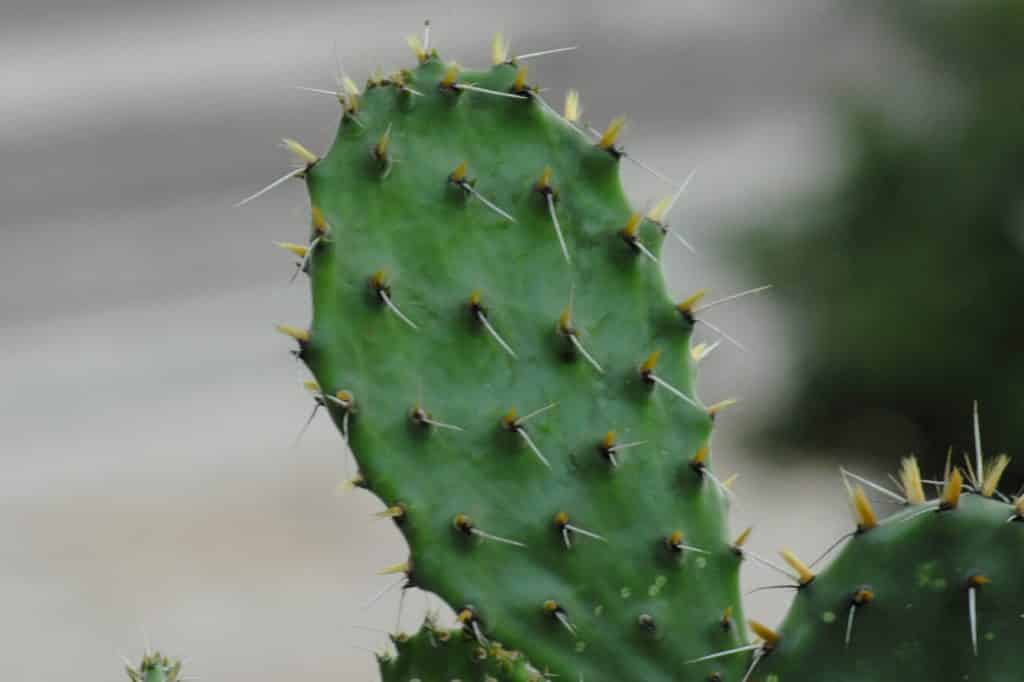
Sclerocactus, a genus native to the arid expanses of the southwestern United States and northern Mexico, is a masterclass in adaptation. The “Ghost Cactus,” often referring to species like Sclerocactus uncinatus or Sclerocactus polyancistrus, is a master of illusion. Its pale, almost translucent epidermis isn’t just for show—it’s a survival tactic. By reflecting sunlight, it minimizes water loss, a trick that has allowed it to thrive in the harshest of environments. But there’s more to its ghostly appearance than meets the eye. The spines of the Ghost Cactus aren’t merely defensive; they’re architectural marvels, arranged in spirals that follow the Fibonacci sequence, a mathematical pattern found in everything from galaxies to seashells. Is it mere coincidence, or is nature whispering a hidden code?

Symbolism Woven into the Desert’s Fabric
The Ghost Cactus isn’t just a plant; it’s a living symbol. In many indigenous cultures of the Southwest, cacti are revered as guardians of the earth, their resilience mirroring the endurance of those who call the desert home. The pale, almost spectral appearance of the Ghost Cactus has led to its association with the spirit world—some tribes believe it acts as a bridge between the living and the dead, a silent sentinel watching over the land. But symbolism isn’t static. In modern times, the Ghost Cactus has taken on new meanings. Its rarity and fragility have made it a metaphor for the fleeting beauty of nature, a reminder that even the most resilient creatures can be pushed to the brink by human encroachment. What does it say about us that a plant so perfectly adapted to its environment is now fighting for its existence?
The Delicate Dance of Survival: Challenges in the Wild
Surviving in the desert is a brutal affair, but the Ghost Cactus faces challenges that go beyond mere thirst. Habitat destruction, illegal harvesting, and climate change are eroding its already limited range. Unlike the hardy Opuntia or the towering Carnegiea gigantea, the Ghost Cactus grows slowly, its seeds germinating only under the most precise conditions. A single misstep—too much rain, too little shade, a careless boot print—can spell disaster. And yet, it persists. Is this resilience a testament to nature’s tenacity, or a sign of how little we truly understand the fragility of these ecosystems? Conservationists are racing against time to protect these cacti, but the task is Herculean. How do you save a plant that thrives in obscurity?

Cultivating the Ghost: Can We Grow a Piece of the Desert?
For those enchanted by the Ghost Cactus’s ethereal beauty, cultivation might seem like the answer. But here’s the catch: these cacti are notoriously finicky. They demand well-draining soil, minimal water, and a winter chill to trigger blooming. Even then, success isn’t guaranteed. The Ghost Cactus isn’t a beginner’s plant—it’s a challenge, a puzzle for the patient gardener. Yet, for those who succeed, the reward is unparalleled. Imagine a pale, ribbed sentinel gracing your windowsill, a living piece of the desert’s soul. But is it ethical to cultivate a plant so rare in the wild? The line between admiration and exploitation is thin. Could our desire to possess a piece of nature’s magic be the very thing that pushes it further into the shadows?
The Conservation Conundrum: Protecting the Unseen
Protecting the Ghost Cactus isn’t just about fences and laws—it’s about understanding the intricate web of life that sustains it. These cacti rely on specific pollinators, soil conditions, and seasonal rhythms. Disrupt one link, and the whole system falters. Conservation efforts must be holistic, involving local communities, scientists, and policymakers. But here’s the rub: the Ghost Cactus doesn’t scream for help. It doesn’t grow in vast, photogenic forests or bloom in riotous colors. It’s quiet, unassuming, and easy to overlook. So, how do we rally support for a plant that doesn’t make a sound? The answer lies in storytelling—sharing its tale, its symbolism, and its struggles in a way that resonates with people’s hearts. After all, what’s more compelling than a ghost that refuses to fade away?
The Future of the Ghost: A Call to Action
The Ghost Cactus isn’t just a plant; it’s a mirror. It reflects our relationship with nature—our awe, our neglect, our desperate attempts to hold onto beauty in a world that’s changing faster than we can comprehend. Will we let it vanish, another casualty of progress? Or will we step up, not just as conservationists, but as storytellers, educators, and stewards of the wild? The choice isn’t just about saving a cactus. It’s about deciding what kind of world we want to leave behind. The Ghost Cactus has survived for millennia. The question is: can we?
FAQ
How can I cultivate a Ghost Cactus?
Cultivation requires well-draining soil, minimal water, and specific environmental conditions to thrive.




Leave a Reply