

Short Answer
In the arid tapestry of deserts and rocky outcrops, where the sun caresses the earth with relentless warmth, a silent sentinel thrives—the Mammillaria, a genus of cacti that has mastered the art of survival with a grace that belies its rugged surroundings. These diminutive yet resilient plants, often overlooked in favor of their towering cousins, are the unsung heroes of biodiversity, their spiny crowns harboring secrets of ecological resilience. Yet, their existence is under siege, not by the harshness of their natural habitat, but by the unrelenting demand of collectors and enthusiasts who covet their unique forms. To support Mammillaria conservation is to champion a cause that intertwines ethics with ecology, ensuring that these botanical treasures continue to adorn our world with their prickly charm.
The Delicate Dance of Ethical Sourcing: A Moral Imperative
Imagine, if you will, a world where every Mammillaria plucked from the wild is a thread unraveled from the fabric of its ecosystem. The ethical sourcing of these cacti is not merely a choice; it is a moral imperative, a commitment to preserving the delicate balance of nature. Wild-collected specimens, though undeniably alluring, often come at a cost that extends beyond the price tag. The removal of these plants disrupts the intricate web of life that sustains them, from the pollinators that depend on their blooms to the soil microorganisms that nourish their roots. By opting for ethically sourced Mammillaria, whether through reputable nurseries or sustainable propagation programs, we become stewards of their survival, ensuring that their presence in our homes does not come at the expense of their existence in the wild.
From Desert to Desktop: The Journey of a Responsibly Grown Mammillaria
The journey of a responsibly grown Mammillaria begins not in the unforgiving expanse of a desert, but in the controlled embrace of a greenhouse or a dedicated propagation facility. Here, these cacti are nurtured with the same care one might lavish upon a prized orchid, their growth meticulously monitored to ensure they thrive in conditions that mimic their natural habitat. The process is one of patience and precision, a far cry from the reckless plundering of wild populations. When you bring a cultivated Mammillaria into your home, you are not just acquiring a plant; you are inviting a piece of a carefully curated ecosystem into your space. Each spine, each bloom, becomes a testament to the harmony between human cultivation and natural preservation.
The Allure of the Uncommon: Why Mammillaria Captivates the Imagination
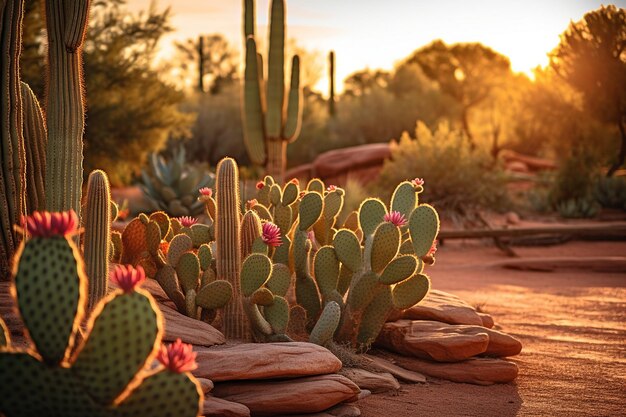
There is something inherently captivating about the Mammillaria, a genus that boasts over 200 species, each with its own unique morphology and personality. Some resemble diminutive barrels, their ribs tightly packed with spines that shimmer like needles of polished steel. Others take the form of sprawling clusters, their offsets creating a living mosaic that defies the barren landscapes they call home. The flowers of Mammillaria are no less enchanting, bursting forth in vibrant hues of pink, yellow, or white, a fleeting spectacle that rewards the patient observer. To cultivate these cacti is to engage in a dialogue with nature, one that reveals the extraordinary in the seemingly ordinary. Their appeal lies not just in their beauty, but in their resilience—a reminder that life, no matter how small, can flourish against all odds.
Cultivation as Conservation: Turning Enthusiasts into Advocates
The act of cultivating Mammillaria is, in itself, an act of conservation. When enthusiasts take up the challenge of growing these cacti, they become part of a global network of guardians, each contributing to the preservation of a genus that might otherwise fade into obscurity. By sharing knowledge, propagating responsibly, and advocating for ethical practices, the community of Mammillaria lovers becomes a formidable force for change. Workshops, online forums, and local gardening clubs serve as incubators for this collective effort, where novices and experts alike exchange tips, troubleshoot challenges, and celebrate the triumphs of their botanical endeavors. In this way, every Mammillaria that graces a windowsill or a garden bed is a living testament to the power of informed stewardship.
The Ripple Effect: How Ethical Choices Reverberate Through Ecosystems
Every ethical choice we make in the realm of Mammillaria conservation sends ripples through the broader ecosystem, influencing not just the fate of these cacti, but the health of the environments they inhabit. When we reject wild-collected specimens in favor of cultivated ones, we reduce the pressure on fragile desert ecosystems, allowing them to recover and thrive. This, in turn, supports the myriad species that depend on these habitats, from the insects that pollinate the cacti to the birds that nest in their protective spines. The decision to source ethically is not an isolated act; it is a thread in the larger tapestry of ecological responsibility, one that connects the fate of a single cactus to the well-being of the planet.
Beyond the Spines: The Cultural and Scientific Significance of Mammillaria
The Mammillaria is more than a mere ornamental plant; it is a cultural icon and a subject of scientific fascination. Indigenous communities have long revered these cacti for their medicinal properties and symbolic meanings, weaving them into folklore and tradition. In the realm of science, Mammillaria species serve as vital subjects for research into desert adaptation, drought resistance, and the evolution of succulent plants. By supporting their conservation, we honor not just their aesthetic value, but their role in the grand narrative of life on Earth. These cacti are living archives, their genes a library of adaptations that could one day inspire solutions to some of humanity’s most pressing challenges, from climate change to sustainable agriculture.
A Call to Action: How You Can Become a Mammillaria Guardian
The path to supporting Mammillaria conservation begins with a single step: awareness. Educate yourself about the origins of the plants you bring into your home, and choose those that have been cultivated with care. Support nurseries and organizations that prioritize ethical practices, and consider donating to conservation initiatives that focus on protecting wild populations. Share your knowledge with others, inspiring them to join the movement and become guardians of these prickly treasures. Whether you are a seasoned horticulturist or a curious beginner, your actions matter. Together, we can ensure that the Mammillaria continues to thrive, its spines a symbol of resilience, its blooms a celebration of life’s tenacity.
FAQ
What is ethical sourcing of Mammillaria cacti?
Ethical sourcing means obtaining Mammillaria plants from nurseries or propagation programs that do not harvest them from the wild, thus protecting natural populations and ecosystems.
Why should I avoid buying wild-collected Mammillaria?
Wild collection harms desert ecosystems by removing plants that support pollinators and soil organisms, threatening the survival of these cacti in their natural habitat.
How can cultivating Mammillaria help conservation?
Cultivating Mammillaria responsibly reduces pressure on wild populations and helps maintain genetic diversity through propagation and education.
What cultural significance do Mammillaria cacti have?
They hold medicinal and symbolic value for indigenous communities and play a role in scientific studies on desert adaptation and drought resistance.



Leave a Reply