
Short Answer
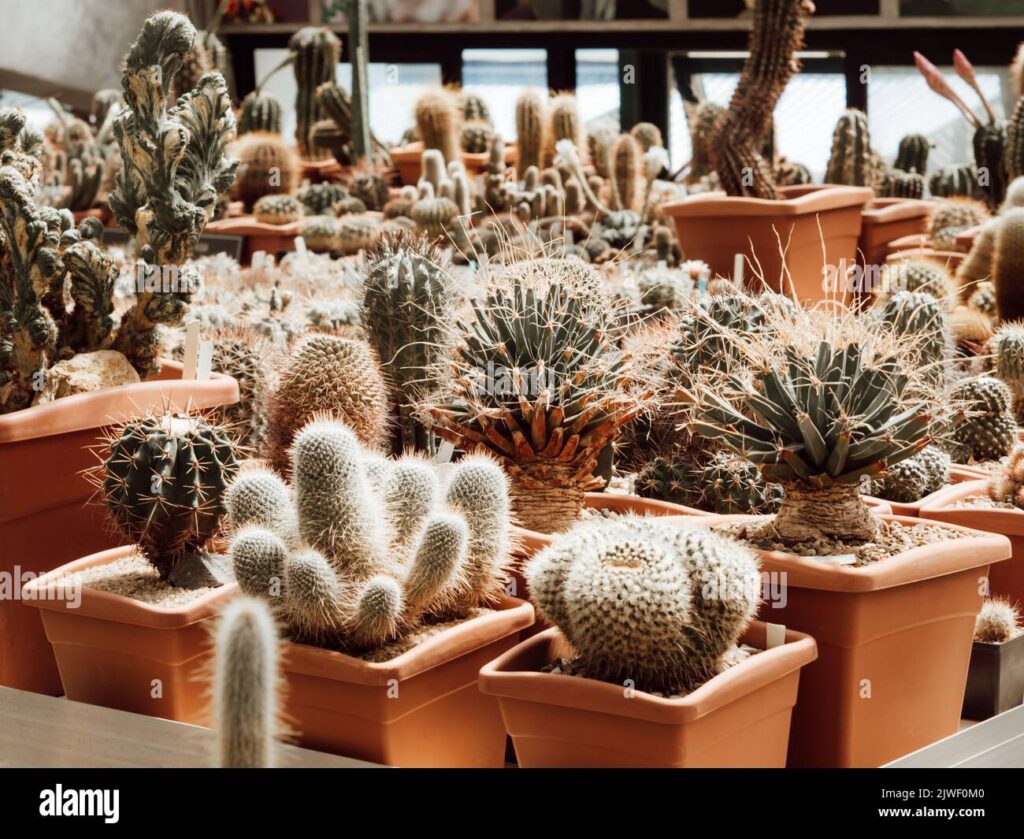
Growing large cacti in pots offers a unique opportunity for gardeners to showcase these magnificent plants in a contained environment. Cacti are well-known for their resilience, but they require specific conditions to thrive, especially when cultivated in containers. This guide will provide comprehensive insights into successfully fostering large cacti in pots, ensuring they flourish beautifully.
Understanding the Basics of Cactus Care
Before embarking on the journey of growing large cacti in pots, it is essential to understand the fundamental needs of these unique plants. Cacti are predominantly native to arid environments, which means they have adapted to withstand harsh conditions, including extreme temperatures and minimal water availability. When growing cacti in pots, it is crucial to replicate these conditions as closely as possible.
One of the primary requirements for cacti is excellent drainage. Since they are adapted to dry environments, standing water can lead to root rot, a common ailment that plagues cactus enthusiasts. Utilizing pots with ample drainage holes is a fundamental practice in cactus care. Additionally, a well-draining soil mix, ideally composed of cactus soil or a blend of potting soil mixed with sand or perlite, can facilitate optimal drainage.
The choice of pot size is equally important when it comes to cultivating large cacti. Most cacti prefer to be slightly root-bound, but they still require adequate space to grow. Selecting a pot that is too small can hinder a cactus’s growth, while one that is too large may retain excess moisture. A pot example that allows for two to three inches of space around the root ball is generally desirable for a large cactus.
Choosing the Right Large Cactus Varieties
There is an array of large cactus varieties suitable for container growth, each possessing unique characteristics. Understanding these options can lead to better decisions when selecting a cactus that aligns with personal preferences and growing conditions.
The Saguaro (Carnegiea gigantea) is a striking choice, known for its iconic arm-like structures and towering height. While saguaros can eventually grow to significant size, they are usually sold as seedlings or small specimens, making them feasible for pot cultivation initially. Another popular option is the Golden Barrel Cactus (Echinocactus grusonii), characterized by its spherical form and golden spines. This cactus not only adds visual appeal but also remains manageable in size when potted.
Other suitable options include the Organ Pipe Cactus (Stenocereus thurberi) and the Giant Cardon (Pachycereus pringlei). Both exhibit fascinating growth patterns and can be beautifully displayed in decorative pots. When choosing a large cactus, consider various factors, such as light requirements, growth rate, and eventual size.
Optimal Growing Conditions for Large Cacti
The microenvironment in which large cacti are grown significantly influences their vigor. Lighting is one of the most critical factors. Most cacti thrive in bright, direct sunlight for at least six hours daily. Placing pots in south-facing windowsills or outdoors during warmer months can provide the necessary sunlight. However, it is important to acclimate cacti gradually to intense sunlight to prevent sunburn.
Temperature tolerance varies among cactus species, but most prefer warmer conditions between 70°F and 100°F during the daytime. At night, they can tolerate cooler temperatures but generally should not drop below 50°F. It is essential to protect large cacti from frost, particularly in colder climates. During the winter months, it might be beneficial to bring pots indoors or cover them if situated outdoors.
Watering practices are a pivotal aspect of cactus care. Large cacti should be watered sparingly, allowing the soil to dry out completely between watering sessions. Overwatering is a prevalent error that can lead to devastating consequences. During the growing season, it is advisable to water every two to three weeks, depending on the ambient conditions. In winter, cacti typically go dormant and may only require watering once a month.
Understanding Nutritional Needs
Cacti may not seem high-maintenance, but proper nutrition is necessary for their health and longevity. Using a balanced, water-soluble cactus fertilizer diluted to half strength can provide essential nutrients during the growing season. Fertilizing every four to six weeks during spring and summer is adequate, but it is crucial to stop fertilizing in fall and winter when the plant enters dormancy.
It is also essential to monitor for pests or diseases that could impact the health of large cacti. Common issues include mealybugs, spider mites, and scale insects. Regular inspections can help detect these threats early. Organic insecticides can be handy, but ensuring proper care is the best preventive measure.
Creative Arrangements and Design Considerations
Large cacti can serve as stunning focal points in a garden or home. Creative arrangements can enhance their beauty and impact. Utilizing decorative pots that complement the cactus’s architecture can transform a simple plant into an artistic statement. Grouping multiple cacti together in a large pot can create an eye-catching arrangement, showcasing various heights and colors.
When designing with large cacti, consider incorporating other drought-resistant plants for added texture. Succulents, agaves, and ornamental grasses can complement the aesthetics of cacti, combining form and function seamlessly. This multi-plant approach creates an appealing visual contrast and adds depth to the display.
In conclusion, growing large cacti in pots is an enriching endeavor that comes with unique challenges and rewards. By understanding their care needs, selecting suitable varieties, and creating an appropriate environment, gardeners can cultivate thriving cacti that serve as stunning displays in any setting. With the right knowledge and commitment, large cacti can flourish beautifully in a pot, adding character and interest to your verdant space.
FAQ
Can large cacti be grown successfully in pots?
Yes, large cacti can be grown successfully in pots if provided with proper drainage, suitable pot size, adequate sunlight, appropriate watering, and nutrition.
What type of soil is best for large cacti in containers?
A well-draining cactus soil mix or a blend of potting soil with sand or perlite is ideal to prevent root rot and mimic natural arid conditions.
How often should large potted cacti be watered?
Large potted cacti should be watered sparingly, typically every two to three weeks during the growing season, and less frequently in winter.
Which large cactus varieties are suitable for container growth?
Popular choices include Saguaro, Golden Barrel Cactus, Organ Pipe Cactus, and Giant Cardon, all of which have unique growth habits and aesthetic appeal.
How much sunlight do large cacti need when grown in pots?
Most large cacti require bright, direct sunlight for at least six hours daily to thrive.


Leave a Reply