
Short Answer
Have you ever wandered through the sun-drenched landscapes of Brazil and stumbled upon a cactus so striking, so *otherworldly*, that it feels like you’ve glimpsed a secret from another planet? Meet Uebelmannia, the Brazilian cactus that defies expectations with its geometric precision, jewel-toned hues, and a presence so bold it could command an entire desert. This isn’t just any spiky succulent—it’s a botanical enigma wrapped in ribbed elegance, a living sculpture that whispers tales of resilience, rarity, and raw, untamed beauty. But what if this cactus, with its hypnotic allure, holds secrets far deeper than its striking exterior? What if its symbolism is a riddle waiting to be solved?
The Enigmatic Allure of Uebelmannia: A Cactus That Defies Convention
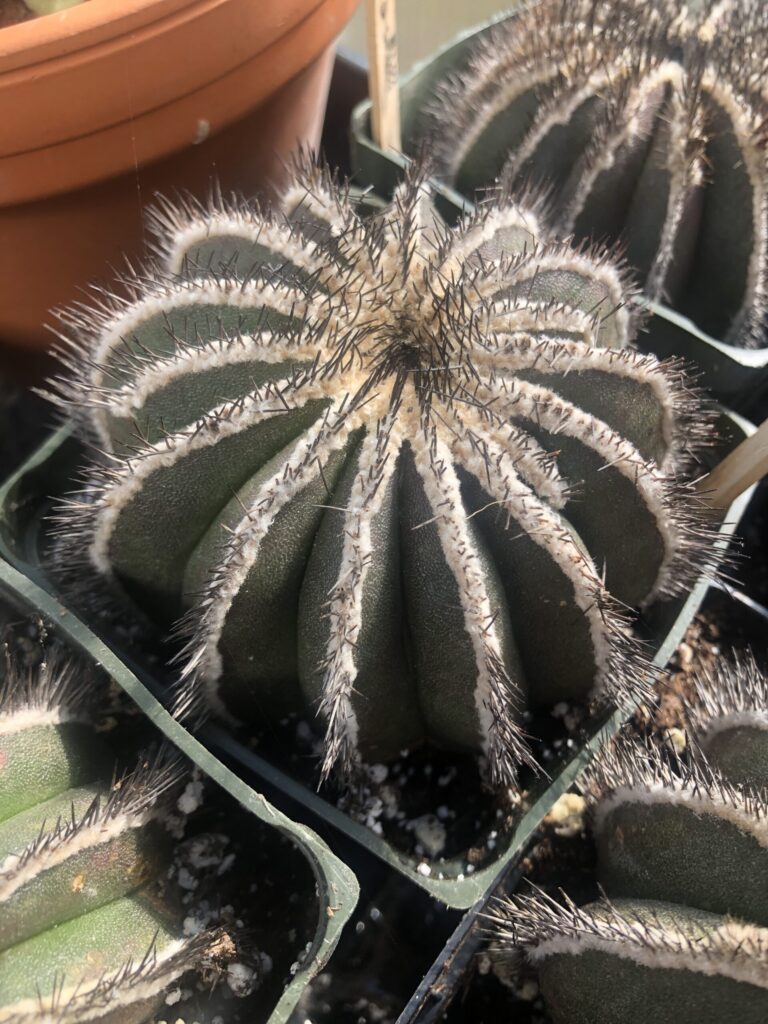
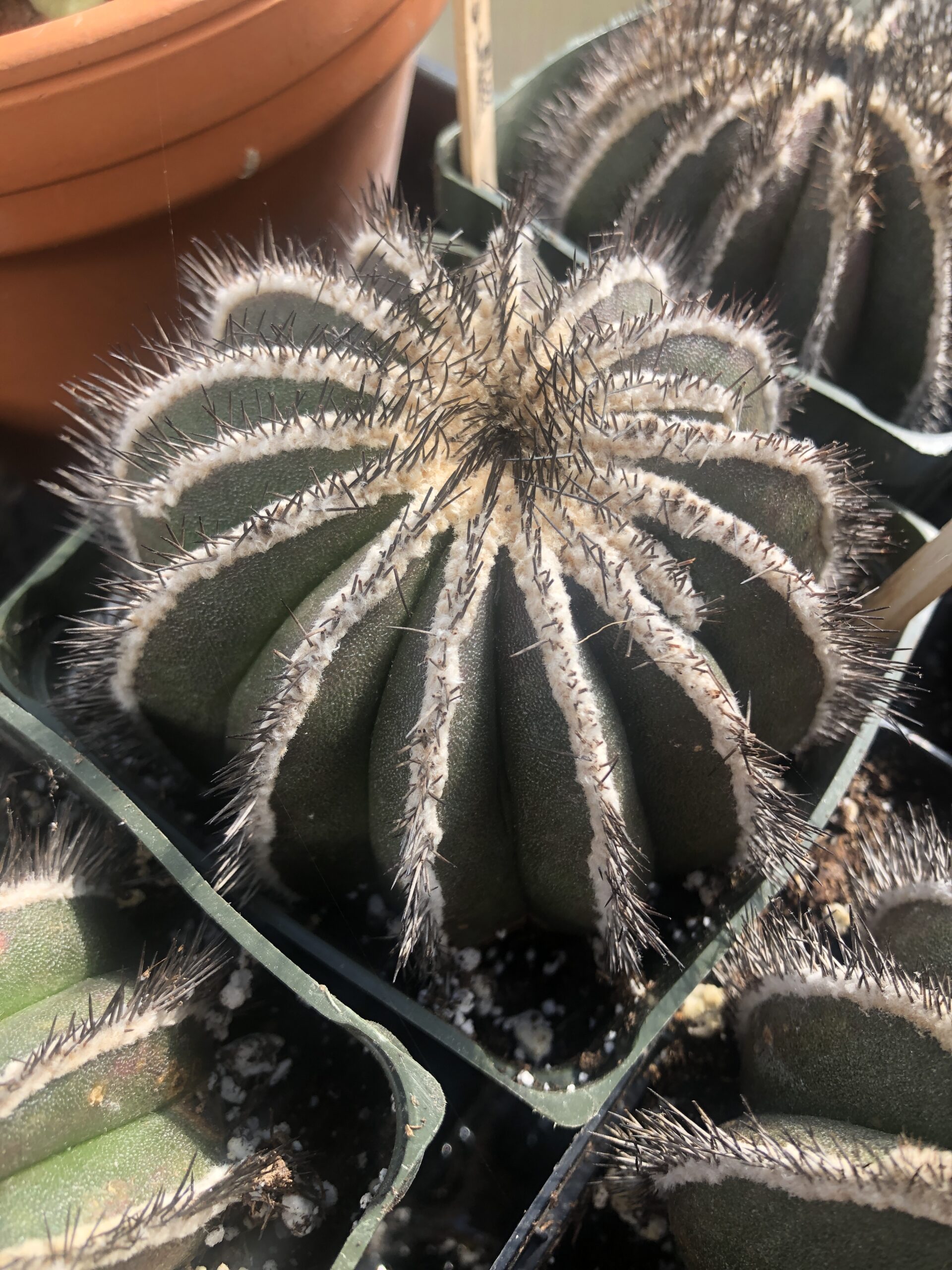
Imagine a cactus so distinct that it could be mistaken for a piece of modern art rather than a plant. Uebelmannia—named after the Swiss cactus enthusiast Werner Uebelmann—is a genus of small, solitary cacti native to the arid, rocky outcrops of Brazil’s cerrado and caatinga ecosystems. Unlike its more common cousins, which sprawl or cluster, Uebelmannia stands proud, often solitary, its ribbed body a masterclass in geometric perfection. Its colors—ranging from deep emerald to sunburst yellow, sometimes even tinged with violet—are so vivid they seem almost painted by an artist’s hand.
But here’s the twist: this cactus isn’t just a pretty face. It’s a survivor. In the harsh, sun-scorched landscapes where it thrives, Uebelmannia has evolved to store water in its ribbed structure, a biological marvel that allows it to endure months without rain. Its spines, far from being mere adornments, are a defense mechanism, a way to deter thirsty herbivores in an environment where every drop of moisture is precious. So, is Uebelmannia a symbol of endurance, or is it something more—a silent testament to nature’s ability to turn adversity into art?
Exotic Beauty: Why This Cactus Captivates the Imagination
There’s something inherently *exotic* about Uebelmannia, a quality that transcends its botanical classification. Perhaps it’s the way its ribs spiral upward like the grooves of a vinyl record, or how its colors shift with the light, from matte to iridescent. Maybe it’s the fact that it grows in such remote, inhospitable places, making it a rare treasure for collectors and nature lovers alike. Unlike the ubiquitous saguaro or the sprawling prickly pear, Uebelmannia feels like a discovery—a hidden gem tucked away in the folds of the earth.
Consider its form: compact, almost *feline* in its poised stillness, as if it’s perpetually bracing for something. Its flowers, when they bloom, are a delicate contrast to its spiky exterior—small, funnel-shaped, and often a soft, luminous white or pale pink. They emerge from the crown of the cactus like a surprise, a fleeting moment of fragility in an otherwise armored existence. This juxtaposition—hard and soft, fierce and delicate—is what makes Uebelmannia so mesmerizing. It’s as if the cactus itself is a paradox, a living oxymoron that challenges our perceptions of what a plant can be.
And then there’s the matter of its rarity. Many species of Uebelmannia are endangered in the wild, threatened by habitat destruction and over-collection. This only adds to its allure, transforming it from a mere plant into a symbol of both beauty and vulnerability. To cultivate Uebelmannia is to engage in a quiet act of rebellion—to nurture a piece of the wild in a world that often prioritizes convenience over conservation.
Symbolism in the Spines: What Does Uebelmannia Represent?
Every culture imbues its flora with meaning, and Uebelmannia is no exception. In the language of cacti, it speaks of resilience, of the ability to thrive where others wither. Its ribbed structure has been likened to the folds of a brain, suggesting intelligence and adaptability, while its solitary nature evokes independence and self-reliance. But could it also symbolize something more abstract—perhaps the idea of *hidden strength*? After all, this cactus doesn’t shout its presence; it commands attention through subtlety, its beauty revealed only to those who pause to look.
In Brazilian folklore, cacti are often associated with endurance and protection, their spines serving as a barrier against negative energy. Uebelmannia, with its striking form, might be seen as a guardian of the land, a silent sentinel that watches over the arid landscapes it calls home. Some even believe that cacti, in general, are symbols of unyielding spirit—a reminder that even in the harshest conditions, life finds a way to flourish. So, is Uebelmannia a metaphor for the human condition? A call to embrace our own inner spines, to stand tall and unapologetic in a world that often tries to flatten us?
Yet, there’s a darker layer to its symbolism as well. The rarity of Uebelmannia in the wild raises questions about the cost of beauty. Is its exoticism a blessing or a curse? Does the very thing that makes it so desirable also threaten its existence? This cactus, in all its glory, forces us to confront the ethical dilemmas of conservation—how do we protect what we love without loving it to death?
The Collector’s Dilemma: Can Beauty and Conservation Coexist?
For plant enthusiasts, Uebelmannia is the holy grail—a cactus so coveted that it can fetch hundreds, even thousands, of dollars in the collector’s market. But herein lies the challenge: how do we reconcile our desire to possess this botanical wonder with the responsibility to preserve it? The black market for rare cacti is a shadowy world where poaching and habitat destruction run rampant. Every illegally harvested Uebelmannia is a loss to the ecosystem, a crack in the armor of a species already teetering on the edge.
Fortunately, ethical cultivation offers a glimmer of hope. Many dedicated growers now propagate Uebelmannia from seeds or offsets, ensuring that the plants in circulation are not stolen from the wild. But even this isn’t without its pitfalls. Growing Uebelmannia from seed is a test of patience and skill—these cacti grow slowly, their ribbed forms taking years to develop. And then there’s the issue of hybridization, where cultivated varieties may lose the genetic purity of their wild counterparts. So, is it possible to love Uebelmannia without contributing to its demise? Or is the act of cultivation itself a form of domestication, a way to tame its wild spirit?
The answer may lie in education. By learning about the habitats, lifecycles, and conservation status of Uebelmannia, we can make informed choices as collectors and admirers. Supporting nurseries that prioritize sustainability, advocating for protected habitats, and sharing knowledge about these remarkable plants—these are the ways we can ensure that future generations will also marvel at their beauty.
A Call to the Wild: How to Appreciate Uebelmannia Responsibly
You don’t need to own a Uebelmannia to appreciate its magic. In fact, the most profound connection to this cactus might come from observing it in its natural habitat—or through the lens of a camera, capturing its essence without disturbing it. If you’re fortunate enough to encounter one in the wild, resist the urge to touch or collect it. Instead, take a moment to marvel at its resilience, its quiet defiance of the harsh landscape around it.
For those who wish to bring a piece of Uebelmannia into their lives, consider adopting one from a reputable nursery rather than seeking out wild specimens. Learn the art of cactus care—these plants thrive in bright, indirect light, with well-draining soil and minimal water. And when you water your Uebelmannia, do so with intention, remembering the parched earth from which it draws its strength.
Perhaps the greatest lesson Uebelmannia offers is one of balance. It is at once delicate and indomitable, rare and resilient, exotic and grounded. It challenges us to see beauty in the unconventional, to find strength in solitude, and to question the ethics of desire. So, the next time you encounter a cactus that stops you in your tracks, ask yourself: is it merely a plant, or is it a mirror—reflecting back the complexities of the world we live in?
FAQ
What is the natural habitat of Uebelmannia?
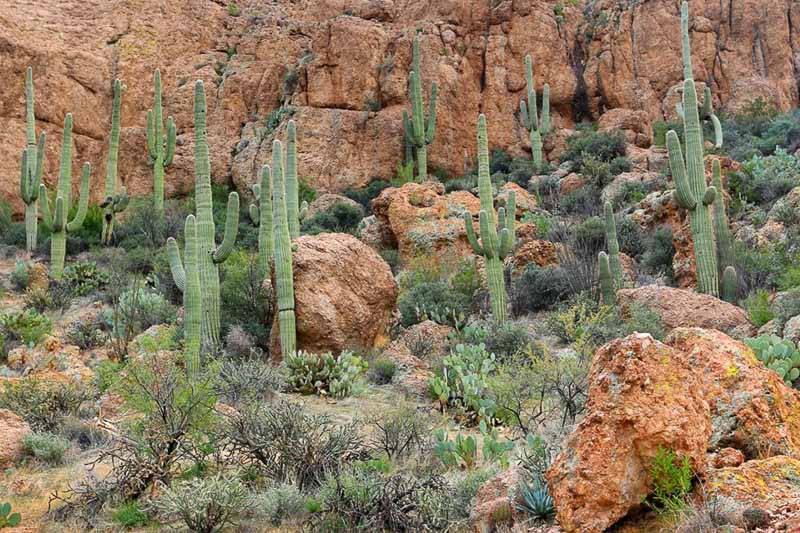
Uebelmannia cacti naturally grow in the arid, rocky outcrops of Brazil’s cerrado and caatinga ecosystems.
Why is Uebelmannia considered exotic?
Its unique geometric ribs, jewel-toned colors, and rarity in the wild make Uebelmannia highly exotic and sought after.
How does Uebelmannia survive in harsh conditions?
It stores water in its ribbed structure and uses spines to deter herbivores, enabling survival during extended dry periods.
What ethical considerations exist when collecting Uebelmannia?
Illegal poaching threatens wild populations, so it is important to source plants from ethical growers who propagate from seeds or offsets.
Can Uebelmannia be grown indoors?
Yes, with proper care including bright indirect light and well-draining soil, Uebelmannia can be cultivated indoors.




Leave a Reply