
Short Answer
Embark on a botanical odyssey through the prickly, vibrant world of cacti, where each spine tells a story of evolutionary kinship and survival. The cactus family tree, a labyrinth of botanical lineages, reveals the intricate relationships between genera that have adapted to some of Earth’s most arid and unforgiving landscapes. From the towering saguaros of the Sonoran Desert to the diminutive, jewel-like mammillarias, these plants are not merely survivors—they are masterpieces of evolutionary artistry. Understanding their phylogenetic tapestry offers more than just academic insight; it unlocks the secrets of their resilience, their ecological roles, and even their potential for horticultural innovation. Whether you’re a seasoned botanist, an avid gardener, or simply a nature enthusiast, delving into the cactus family tree promises to illuminate the hidden connections that bind these desert dwellers together.
The Evolutionary Roots: How Cacti Became the Kings of Arid Lands
The journey of cacti begins millions of years ago, when their ancestors—likely members of the Caryophyllales order—began to diverge from other flowering plants. Unlike their lush, moisture-loving relatives, cacti embarked on a radical transformation, trading broad leaves for succulent stems and evolving spines to deter herbivores and reduce water loss. This evolutionary pivot was not a sudden leap but a gradual adaptation, shaped by the relentless pressures of drought and extreme temperature fluctuations. The phylogenetic trees of cacti reveal a fascinating pattern: their closest relatives are not other desert plants but rather species like the Portulaca (purslane) and Mollugo (carpetweed), which share a common ancestry rooted in the same ancient lineages. This kinship underscores the remarkable plasticity of plant evolution, where a single family can give rise to both the ephemeral blooms of a desert wildflower and the towering sentinels of the cactus world.
Their evolutionary success is further evidenced by the sheer diversity of forms within the cactus family. From the ribbed, columnar giants like the Carnegiea gigantea (saguaro) to the globular, button-like Echinocactus grusonii (golden barrel cactus), each genus has carved out its niche in the desert ecosystem. The phylogenetic relationships between these genera are not static; they are dynamic, reflecting millions of years of adaptation and speciation. For instance, the Cactoideae subfamily, which includes the majority of familiar cactus genera, diverged early from the more primitive Pereskioideae and Opuntioideae subfamilies. The latter, often overlooked, includes the prickly pears and chollas, whose flat, pad-like stems and glochids (barbed spines) are a testament to their unique evolutionary path.

Decoding the Phylogenetic Puzzle: Key Genera and Their Lineages
To unravel the cactus family tree, one must first acquaint themselves with its most prominent genera, each a chapter in the story of desert adaptation. At the heart of the Cactoideae subfamily lies the genus Echinopsis, a group that includes both the stately Echinopsis pachanoi (San Pedro cactus) and the diminutive Echinopsis chamaecereus (peanut cactus). These plants are celebrated for their rapid growth and prolific flowering, making them favorites among collectors. Their close relatives, the Lobivia and Rebutia genera, are renowned for their vibrant, jewel-toned blooms, which burst forth in a riot of color during the growing season. The phylogenetic connections between these genera highlight a shared evolutionary history, where floral morphology and growth habits have diverged to exploit different ecological niches.
Another critical branch of the cactus family tree is the Mammillaria genus, a group of small, globular cacti that have captivated enthusiasts with their intricate patterns of tubercles and spines. These plants are often referred to as “pincushion cacti” due to their dense, spiny crowns, which serve as both armor and a means of water conservation. The genus Ferocactus, on the other hand, includes the barrel cacti, whose ribbed, cylindrical forms are iconic symbols of the desert. These genera, while distinct in appearance, share a common ancestor within the Cactoideae subfamily, their evolutionary paths diverging as they adapted to different soil types, rainfall patterns, and temperature regimes.
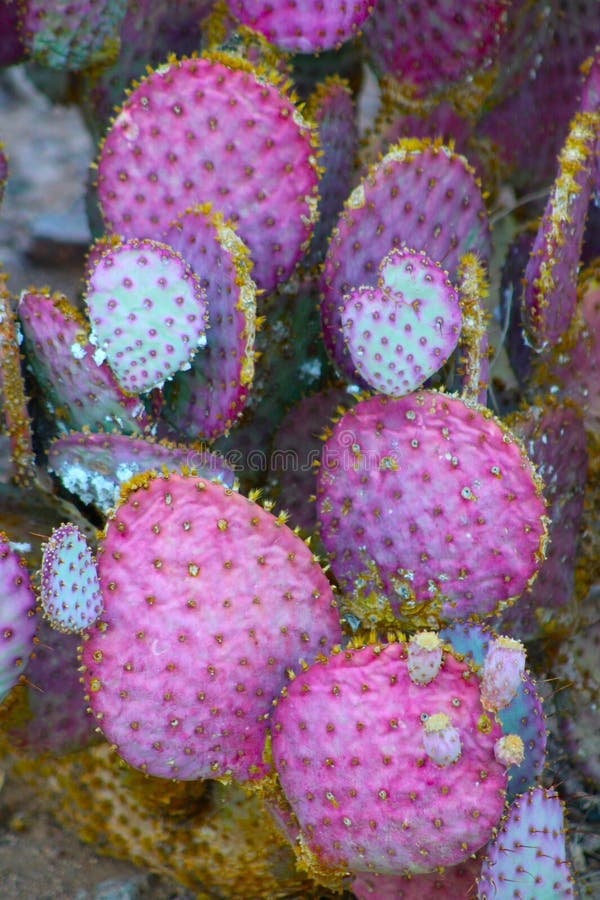
The Opuntioideae subfamily offers a stark contrast to the columnar and globular forms of the Cactoideae. Here, the genus Opuntia reigns supreme, with its flat, pad-like stems and the infamous glochids—tiny, barbed spines that cling to skin and fabric with tenacious grip. These cacti are not just survivors; they are ecological engineers, creating microhabitats for insects and small animals in otherwise barren landscapes. Their phylogenetic ties to the Pereskia genus, which includes leafy, tree-like cacti, reveal the ancestral forms from which all modern cacti evolved. The Pereskia species, with their broad leaves and less succulent stems, serve as a living link to the past, offering clues to the early stages of cactus evolution.
Co-occurrence and Co-exclusion: The Ecological Dance of Cactus Genera
The relationships between cactus genera extend beyond the realm of phylogeny; they are deeply intertwined with the ecological dynamics of their habitats. In the wild, certain genera are often found in close proximity, thriving in the same soil types and benefiting from shared pollinators. This phenomenon, known as co-occurrence, is particularly evident in the diverse cactus floras of Mexico and the southwestern United States. For example, the Ferocactus and Echinocactus genera frequently coexist in the Chihuahuan Desert, where their overlapping ranges create a tapestry of ribbed and spined forms. This co-occurrence is not merely coincidental; it reflects a shared evolutionary history and a mutual reliance on the same ecological resources.
Conversely, co-exclusion—the phenomenon where certain genera avoid each other—can be just as revealing. In some desert ecosystems, the presence of one genus may inhibit the growth of another due to competition for water, nutrients, or pollinators. For instance, the dense, sprawling growth of Opuntia species can shade out smaller cacti like Mammillaria, limiting their ability to photosynthesize and reproduce. These ecological interactions are not static; they shift with environmental conditions, such as drought or seasonal rainfall, creating a dynamic balance that shapes the composition of cactus communities over time.

Horticultural Insights: Applying Phylogenetic Knowledge to Cactus Care
For those who cultivate cacti, understanding their phylogenetic relationships can be a game-changer. By recognizing the evolutionary lineage of a particular genus, gardeners can tailor their care routines to mimic the plant’s natural habitat, ensuring optimal growth and flowering. For example, members of the Echinopsis genus, which hail from the Andes, thrive in bright, indirect light and well-draining soil—a stark contrast to the Ferocactus species, which prefer full sun and drier conditions. This knowledge allows enthusiasts to group cacti with similar needs together, creating harmonious displays that reflect their natural affinities.
The phylogenetic diversity within the cactus family also offers opportunities for hybridization and breeding. By crossing closely related genera, such as Mammillaria and Lobivia, hybridizers can create novel forms that combine the best traits of both parents—perhaps a plant with the vibrant blooms of Lobivia and the compact, spiny form of Mammillaria. These hybrids not only expand the palette of available cacti but also provide insights into the genetic mechanisms underlying their unique adaptations. Additionally, phylogenetic studies can guide conservation efforts, helping to identify endangered species and prioritize their protection based on their evolutionary significance.
For the adventurous gardener, the world of cacti offers endless possibilities. From the high-altitude species of the Andes to the lowland dwellers of the Sonoran Desert, each genus presents a unique set of challenges and rewards. By embracing the lessons of their evolutionary history, we can cultivate these desert jewels with greater confidence and creativity, ensuring that their legacy continues to thrive in both the wild and our gardens.
Beyond the Spines: The Cultural and Symbolic Significance of Cacti
Cacti are more than just botanical marvels; they are cultural icons, woven into the fabric of human history and mythology. In Mexican folklore, the Nopal cactus (a type of Opuntia) is revered as a symbol of resilience and endurance, its ability to thrive in harsh conditions mirroring the spirit of the people who call the desert home. The saguaro, with its towering presence, holds a sacred place in the traditions of the Tohono O’odham and other indigenous tribes, who view it as a living ancestor. Even in modern times, cacti have become symbols of sustainability and adaptability, their succulent forms inspiring architectural designs and eco-friendly innovations.
The aesthetic appeal of cacti has also made them darlings of the design world. Their striking silhouettes, from the symmetrical ribs of the barrel cactus to the chaotic spines of the cholla, have inspired artists, architects, and gardeners alike. The minimalist elegance of a Haworthia or the architectural grandeur of a Cereus can transform a space, bringing a touch of the desert’s rugged beauty indoors. In this way, the cactus family tree is not just a scientific curiosity; it is a wellspring of inspiration, connecting us to the natural world in ways that are both profound and visually stunning.
As we peel back the layers of the cactus family tree, we uncover a story of adaptation, resilience, and beauty. From the evolutionary roots that anchor them to their ancient lineages to the ecological dances that shape their communities, cacti are a testament to the power of life to thrive against all odds. Whether you’re drawn to their botanical intricacies, their horticultural potential, or their cultural significance, one thing is certain: the world of cacti is a treasure trove waiting to be explored.
FAQ
What is the cactus family tree?
The cactus family tree outlines the evolutionary relationships between various genera of cacti, illustrating their adaptations and ecological roles in arid environments.
How do cacti adapt to their environment?
Cacti have adapted to arid environments by evolving spines to deter herbivores and reduce water loss, and by having succulent stems to store moisture.



Leave a Reply