
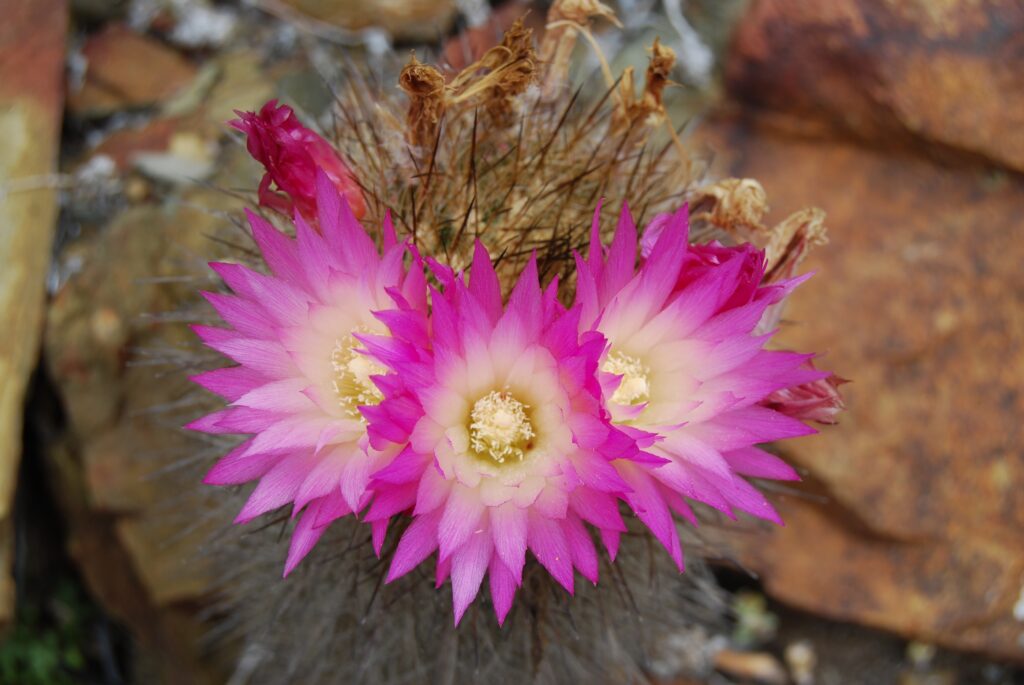
Short Answer
What if the next time you reached for a prickly pear margarita or admired a saguaro silhouetted against the desert sunset, you were witnessing a vanishing masterpiece? Cacti, those stoic sentinels of arid landscapes, are quietly slipping through the cracks of extinction. With over a third of the world’s cactus species teetering on the brink, the question isn’t just whether we’ll lose them—it’s whether we’ll notice before it’s too late. These spiny survivors, honed by millennia of drought and heat, now face an existential threat: us. From illegal harvesting to habitat fragmentation, the challenges are as prickly as the plants themselves. But here’s the twist—every one of us holds a thorny tool to help turn the tide. So, grab your metaphorical gardening gloves. It’s time to dig into the world’s most endangered cactus genera and uncover how even the smallest actions can cultivate hope.
The Silent Crisis: Why Cacti Are Disappearing Faster Than You Think
Picture this: a landscape so barren it seems untouchable by life, yet teeming with hidden biodiversity. Deserts and drylands, often dismissed as lifeless expanses, are in fact biodiversity hotspots—home to nearly 1,500 cactus species. But these ecosystems are under siege. Climate change is rewriting the rules of survival, turning once-predictable droughts into prolonged, merciless dry spells. Meanwhile, human encroachment—through urban sprawl, agriculture, and mining—is carving up habitats like a chef dicing a delicate soufflé. The result? Species like the Sclerocactus glaucus, once widespread across the American Southwest, now cling to existence in fragmented pockets, their populations dwindling like embers in a dying fire.
But the real villain? Overexploitation. The global demand for cacti—whether for ornamental gardens, traditional medicine, or even as trendy houseplants—has turned them into the botanical equivalent of black-market ivory. Rare species are poached from the wild at alarming rates, their roots torn from fragile soils never to return. And let’s not forget the silent killer: invasive species. Non-native plants and animals disrupt the delicate balance of these ecosystems, outcompeting cacti for resources or introducing diseases to which native species have no immunity.
The Most Vulnerable Genera: A Rogues’ Gallery of Thorns and Tears
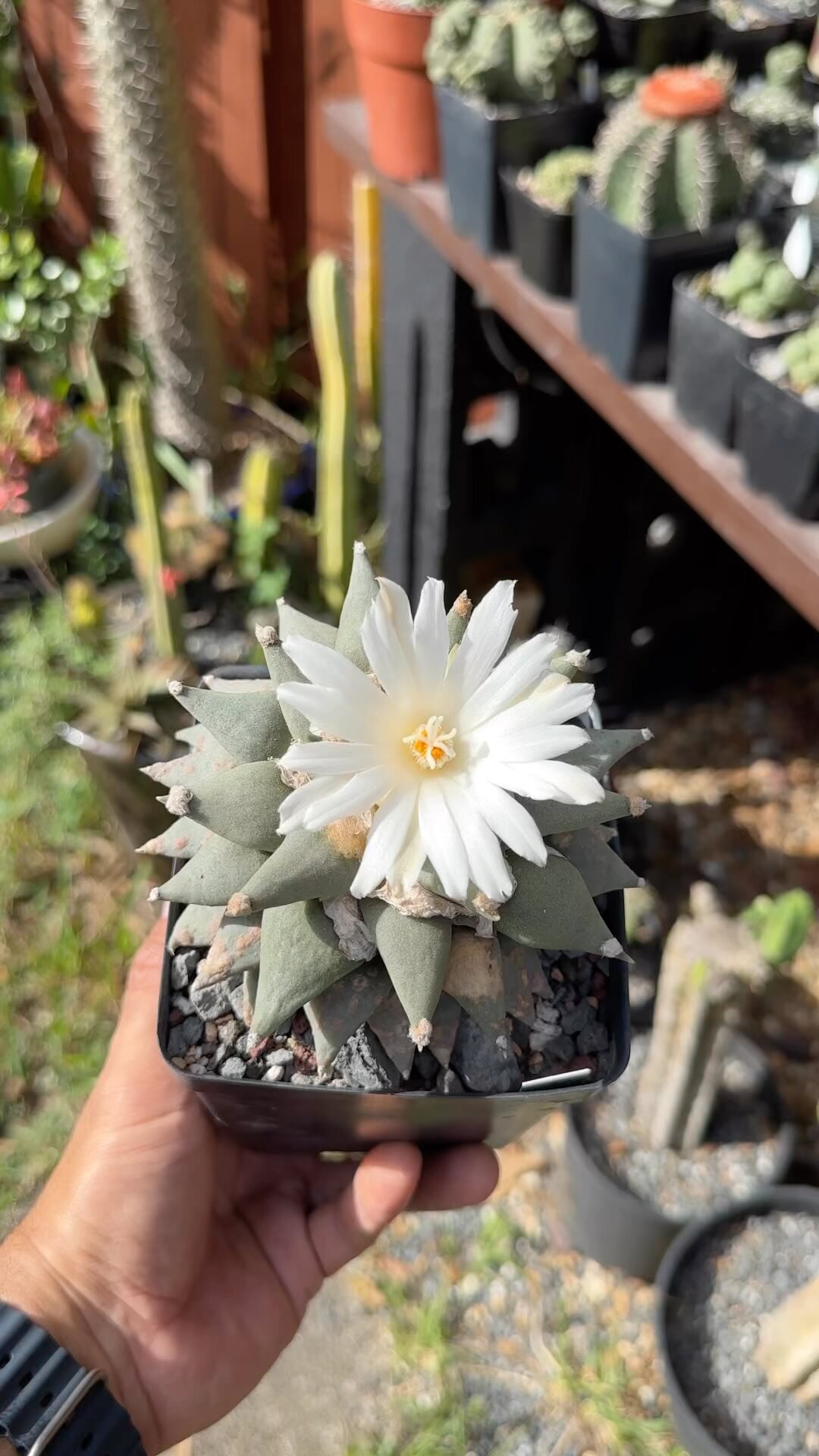
Not all cacti are created equal in the eyes of vulnerability. Some genera stand out as the most critically endangered, their plight a microcosm of the broader crisis. Take Ariocarpus, for instance. These slow-growing, geometric marvels—resembling living art installations—are among the most coveted by collectors. Yet their rarity makes them prime targets for poachers. With populations sometimes numbering in the dozens, a single theft can wipe out an entire species overnight. Then there’s Turbinicarpus, a genus of tiny, globular cacti that have evolved to blend seamlessly into their rocky habitats. Their camouflage is so effective that even scientists struggle to locate them, let alone protect them from the bulldozers flattening their homes.
But the most heartbreaking case might be Mammillaria, a genus so diverse it’s like a botanical United Nations. With over 200 species, Mammillaria ranges from the towering M. longimamma to the minuscule M. herrerae. Yet many of its members are critically endangered, their habitats swallowed by Mexico’s booming avocado industry or trampled underfoot by livestock. The irony? These cacti are the original survivors, thriving in conditions that would kill most plants. Now, they’re fighting for survival against forces they never evolved to resist.
The Domino Effect: Why Losing Cacti Could Unravel Entire Ecosystems
Cacti aren’t just pretty faces in the desert—they’re ecosystem engineers. Their spines and stems create microhabitats for insects, birds, and even small mammals. The Carnegiea gigantea, or saguaro, is a case in point. This towering giant, which can live for over 150 years, provides nesting sites for Gila woodpeckers and Gilded flickers. Its decaying skeletons become nurseries for seedlings of other desert plants. Remove the saguaro, and the ripple effects could reshape an entire ecosystem. Pollinators like bats and bees rely on cacti for nectar and pollen. Lose the cacti, and you lose the pollinators—and with them, the plants that depend on them. It’s a domino effect that could leave deserts eerily silent, devoid of the buzz and hum of life.
Even the soil feels the loss. Cacti play a crucial role in preventing erosion and maintaining soil structure. Their roots bind the earth, while their canopies provide shade that slows evaporation. In their absence, deserts could face accelerated desertification, turning once-fertile lands into barren wastelands. The stakes couldn’t be higher. These aren’t just plants; they’re the architects of resilience in some of the harshest environments on Earth.
How to Help: Small Steps with Big Thorny Impact
So, how do we fight back against this silent extinction? The answer starts with awareness. Support organizations that specialize in cactus conservation, such as botanic gardens and seed banks. These institutions work tirelessly to propagate endangered species and reintroduce them into the wild. But conservation isn’t just for the experts—it’s for all of us. When buying cacti, opt for nursery-grown specimens rather than wild-collected ones. Demand transparency from sellers about the origins of their plants. And if you’re feeling adventurous, consider growing your own cacti from seeds. It’s a rewarding way to connect with these plants and reduce the demand for poached specimens.
Advocate for stronger legal protections. Many cactus species are protected under international treaties like CITES, but enforcement is often lax. Push for stricter penalties against poachers and illegal traders. Support sustainable land-use policies that prioritize habitat preservation over short-term economic gains. And don’t underestimate the power of your wallet. Tourism can be a double-edged sword, but when done responsibly, it can fund conservation efforts. Visit protected areas, hire local guides, and choose eco-friendly tour operators that prioritize the well-being of the ecosystems they operate in.
Finally, spread the word. Share stories about endangered cacti on social media. Educate your friends and family about the importance of these plants. The more people who understand the crisis, the harder it becomes to ignore. And remember—every cactus saved is a step toward saving the deserts themselves. These aren’t just plants; they’re symbols of resilience, adaptability, and the enduring power of life in the face of adversity.
The Future of Cacti: Can We Reverse the Trend?
The road ahead is thorny, but not impossible. Conservationists are making strides, from establishing protected areas to developing innovative propagation techniques. In Mexico, for example, community-led initiatives are combining traditional knowledge with modern science to restore degraded cactus habitats. Meanwhile, researchers are racing to document and describe new species before they vanish forever. Technology is also lending a hand. Drones and satellite imagery are helping scientists monitor remote cactus populations, while DNA barcoding is uncovering hidden genetic diversity that could be crucial for future conservation efforts.
But the biggest hope might lie in a shift in human values. As climate change and biodiversity loss dominate global headlines, more people are waking up to the interconnectedness of life on Earth. Cacti, with their stark beauty and tenacious spirit, are becoming symbols of this awakening. They remind us that even in the harshest environments, life finds a way—and so can we. The question isn’t whether we can save these plants. It’s whether we’re willing to try.
So, the next time you see a cactus, take a moment to appreciate it. Not just as a plant, but as a survivor. And ask yourself: What role will I play in ensuring its future? The answer might just determine whether these silent sentinels continue to grace our planet—or fade into memory.
FAQ
What are the main threats to cactus species?
Cactus species face threats from overexploitation, habitat loss due to human activities, and climate change.
How can individuals help endangered cacti?
Individuals can help by supporting cactus conservation organizations, choosing nursery-grown plants, and advocating for stronger legal protections.



Leave a Reply