

Short Answer
Have you ever wondered what secrets the spiny sentinels of the desert hold? Beyond their prickly exteriors lies a world of botanical marvels, where rare cacti bloom in fleeting spectacles of color and form. Documentaries have long been our window into these enigmatic ecosystems, but how well do they truly capture the essence of these botanical oddities? Let’s embark on a journey through the lens of film, exploring the captivating—and sometimes elusive—world of rare cactus genera.
The Allure of the Uncommon: Why Rare Cacti Captivate Filmmakers
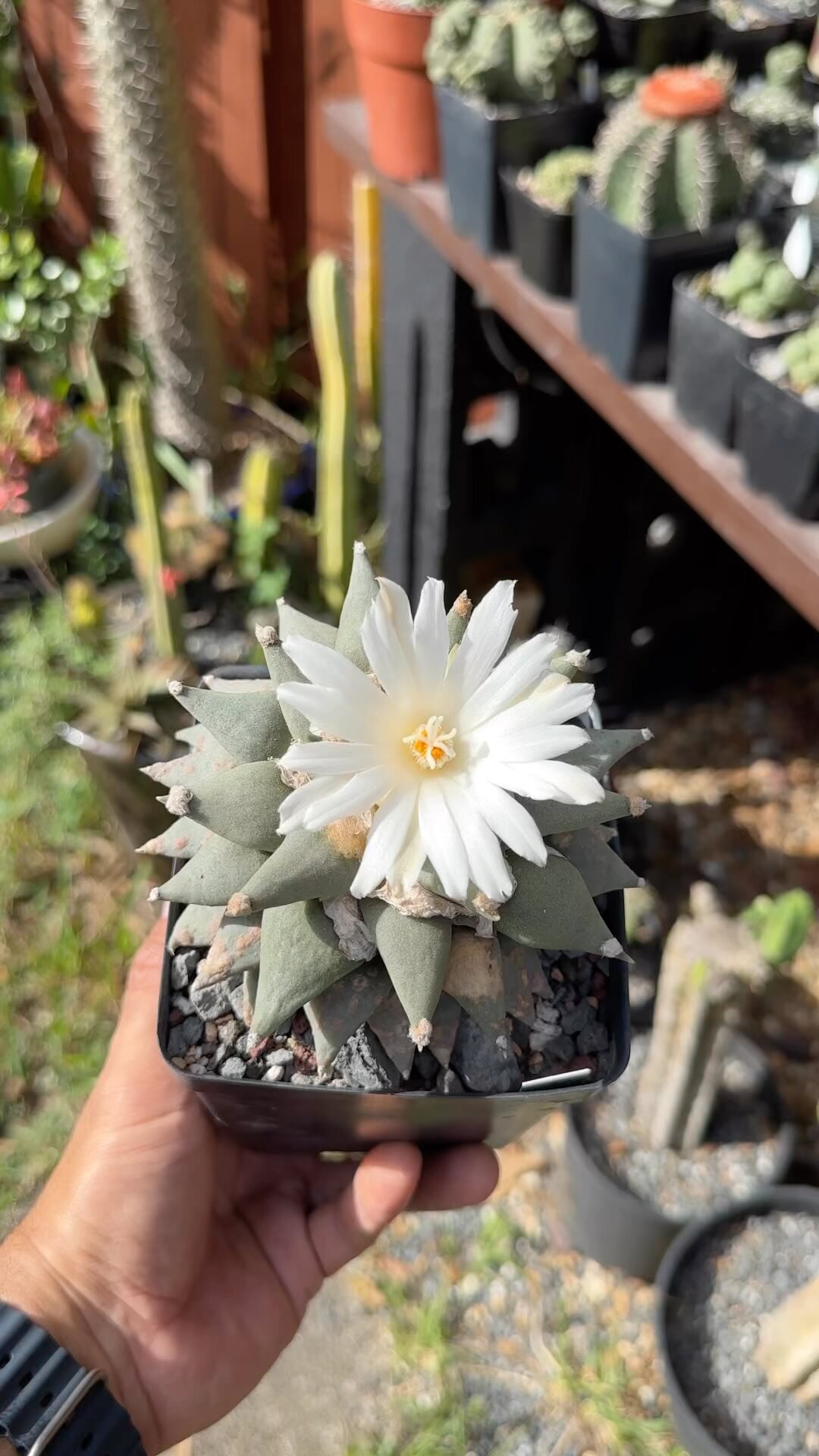
Rare cacti are not just plants; they are living paradoxes. Their resilience in arid landscapes, their bizarre adaptations, and their fleeting blooms make them irresistible subjects for documentary storytelling. Filmmakers are drawn to these botanical enigmas because they embody the raw, untamed beauty of nature. Consider the Pediocactus genus, with its diminutive stature and vibrant flowers that emerge only after years of dormancy. Or the Turbinicarpus, a genus so obscure that some species were once thought extinct before being rediscovered in the wild. These plants challenge our perceptions of survival, forcing us to ask: how do they thrive where others wither?
The challenge for documentarians? Capturing these moments without disturbing the delicate balance of their habitats. A single misstep could mean the difference between a thriving colony and a lost species. Yet, the allure persists. Filmmakers employ patience, innovation, and sometimes sheer luck to document these botanical wonders, turning their lenses into tools of both education and conservation.
Through the Lens: How Documentaries Bring Rare Cacti to Life
Documentaries about rare cacti are more than just visual feasts—they are narratives of survival, adaptation, and the fragility of life. High-definition macro photography reveals the intricate details of a Mammillaria’s spines, each one a marvel of evolutionary engineering. Time-lapse sequences showcase the slow, deliberate unfurling of a Echinocereus bloom, a process that might span weeks or even months. These techniques transform static plants into dynamic characters in a larger ecological story.
But the real magic happens in the storytelling. A well-crafted documentary doesn’t just show a cactus; it invites viewers to understand its place in the world. Take the Lophophora genus, commonly known as peyote, which has deep cultural and spiritual significance for Indigenous communities. A documentary that explores its role in both traditional practices and modern conservation efforts adds layers of meaning beyond mere botanical fascination. The challenge? Balancing scientific accuracy with cultural sensitivity, ensuring that the narrative respects the plant’s significance without exploiting it.
The Hidden Dangers: Ethical Filmmaking in Fragile Ecosystems
Documenting rare cacti is not without its perils. The very act of filming can inadvertently harm these delicate species. Trampling soil compacts it, disrupting root systems. Flash photography can stress plants adapted to low-light conditions. Even the presence of humans can alter animal behavior, which in turn affects the cacti’s pollinators. Filmmakers must navigate a minefield of ethical considerations, weighing the need for compelling footage against the imperative to preserve these ecosystems.
Some documentarians turn to non-invasive techniques, such as remote cameras or drones, to minimize their impact. Others collaborate with botanists and conservationists to ensure their work aligns with best practices. Yet, the challenge remains: how do you capture the essence of a rare cactus without becoming part of the problem? The answer often lies in collaboration—working with scientists who understand the plants’ needs and using technology that reduces human interference.
From Screen to Conservation: The Ripple Effect of Botanical Documentaries
The impact of a well-made documentary extends far beyond the screen. By shining a spotlight on rare cacti, these films can inspire conservation efforts, educate the public, and even influence policy. Consider the case of the Escobaria genus, once threatened by habitat destruction. A documentary highlighting its plight could galvanize local communities to protect its natural range, or spur governments to designate protected areas. The challenge? Ensuring that the message resonates beyond the initial buzz of the film’s release.
Yet, not all documentaries achieve this. Some fall into the trap of sensationalism, portraying rare cacti as mere curiosities rather than vital components of their ecosystems. Others focus too heavily on the exotic, neglecting the broader context of desert ecology. The key to effective storytelling lies in balance—highlighting the plant’s uniqueness while emphasizing its role in the web of life. When done right, these films become powerful tools for change, turning viewers from passive observers into active stewards of the natural world.
The Future of Cactus Documentaries: Innovation and Challenges
As technology advances, so too does the potential for more immersive and impactful cactus documentaries. Virtual reality (VR) experiences could allow viewers to “step into” a desert landscape, observing rare cacti up close without leaving their homes. Artificial intelligence (AI) might help identify and track endangered species, providing filmmakers with real-time data to guide their shoots. Yet, with these innovations come new challenges. How do you maintain the authenticity of a documentary when the viewer’s experience is mediated by technology? How do you ensure that AI-driven insights don’t oversimplify the complex realities of these plants?
The future of cactus documentaries also hinges on accessibility. While high-budget productions can afford cutting-edge equipment, smaller filmmakers and independent creators often struggle to compete. Crowdfunding and grants can help level the playing field, but the challenge remains: how do you create content that is both scientifically rigorous and visually stunning on a shoestring budget? The answer may lie in partnerships—collaborating with universities, botanical gardens, and conservation organizations to pool resources and expertise.
Conclusion: A Call to Look Closer
The world of rare cacti is a testament to nature’s ingenuity, a reminder that even in the harshest environments, life finds a way. Documentaries offer us a glimpse into this hidden world, but they also pose a challenge: to look closer, to ask questions, and to act responsibly. Whether you’re a filmmaker, a conservationist, or simply a curious observer, there’s a role for you to play in preserving these botanical treasures. So the next time you see a cactus on screen, pause for a moment. Consider the story behind it—the patience, the ethics, the science—and ask yourself: what will you do to ensure these spiny sentinels continue to thrive for generations to come?
FAQ
What makes rare cacti appealing to filmmakers?
Their unique adaptations, resilience, and the intricate stories they tell about survival in extreme conditions.
What ethical considerations are involved in filming rare cacti?
Filmmakers must ensure their actions do not harm the plants or their habitats, often collaborating with conservationists.




Leave a Reply