
Short Answer
In the vast, sun-scorched expanse of the desert, where life clings to the edges of existence with tenacious grace, the Echinocactus grusonii—commonly known as the golden barrel cactus—stands as a sentinel of resilience. Its ribbed, spherical form, adorned with golden spines, is a paradox: soft to the touch in its youth, fiercely protective as it matures. This cactus, often overlooked in favor of its more flamboyant desert cousins, carries a symbolism that transcends its prickly exterior. When etched onto skin, an Echinocactus tattoo becomes more than ink and pigment; it is a declaration of endurance, a homage to the quiet strength that thrives in adversity. This article embarks on a journey through the meanings, design intricacies, and cultural resonances of Echinocactus tattoos, inviting you to reconsider what it means to be both delicate and unyielding.
The Echinocactus as a Symbol of Unyielding Resilience
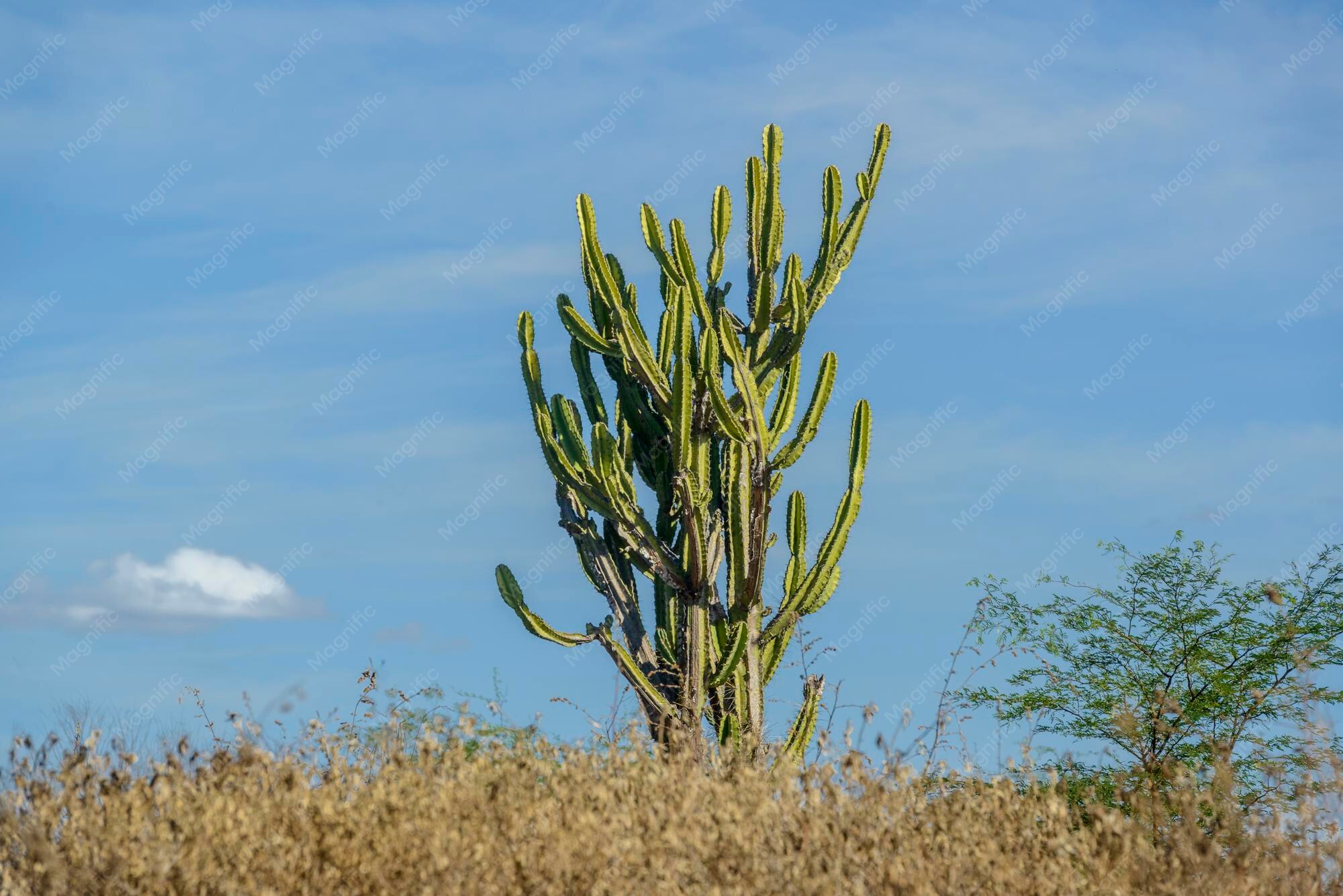
To understand the Echinocactus tattoo, one must first grasp the cactus itself—a botanical marvel that thrives where others wither. Native to the arid landscapes of central Mexico, the golden barrel cactus is a master of adaptation. It stores water in its plump, ribbed body, a survival tactic that allows it to endure months without rainfall. Its spines, often mistaken for mere ornamentation, are in fact a defense mechanism, a way to deter predators while minimizing water loss through transpiration. In the realm of tattoo symbolism, this cactus becomes a metaphor for human resilience. It speaks to those who have weathered storms—literal and metaphorical—and emerged with their core intact, their spirit unbroken. The Echinocactus tattoo is a reminder that strength is not always loud; sometimes, it is the quiet, steady endurance of a life that refuses to be uprooted.
Design Elements: From Minimalist Lines to Intricate Realism
The beauty of an Echinocactus tattoo lies in its versatility. Whether rendered in stark black and white or bursting with the vibrant hues of a desert sunset, the design can be tailored to reflect the wearer’s personality and story. For those drawn to subtlety, a minimalist approach—perhaps a single ribbed segment with delicate spines—can convey the essence of resilience without overwhelming the canvas of the skin. Alternatively, a full-bodied depiction, complete with the cactus’s characteristic golden spines and the subtle gradient of its ribs, can serve as a striking focal point, a testament to the wearer’s own journey of growth and adaptation. Some designs incorporate additional elements, such as a desert landscape or a rising sun, to amplify the symbolism. The choice of style—whether it be fine-line illustration, watercolor, or photorealism—further personalizes the tattoo, ensuring that it is as unique as the individual who wears it.
Cultural and Historical Significance: A Tattoo Rooted in Tradition
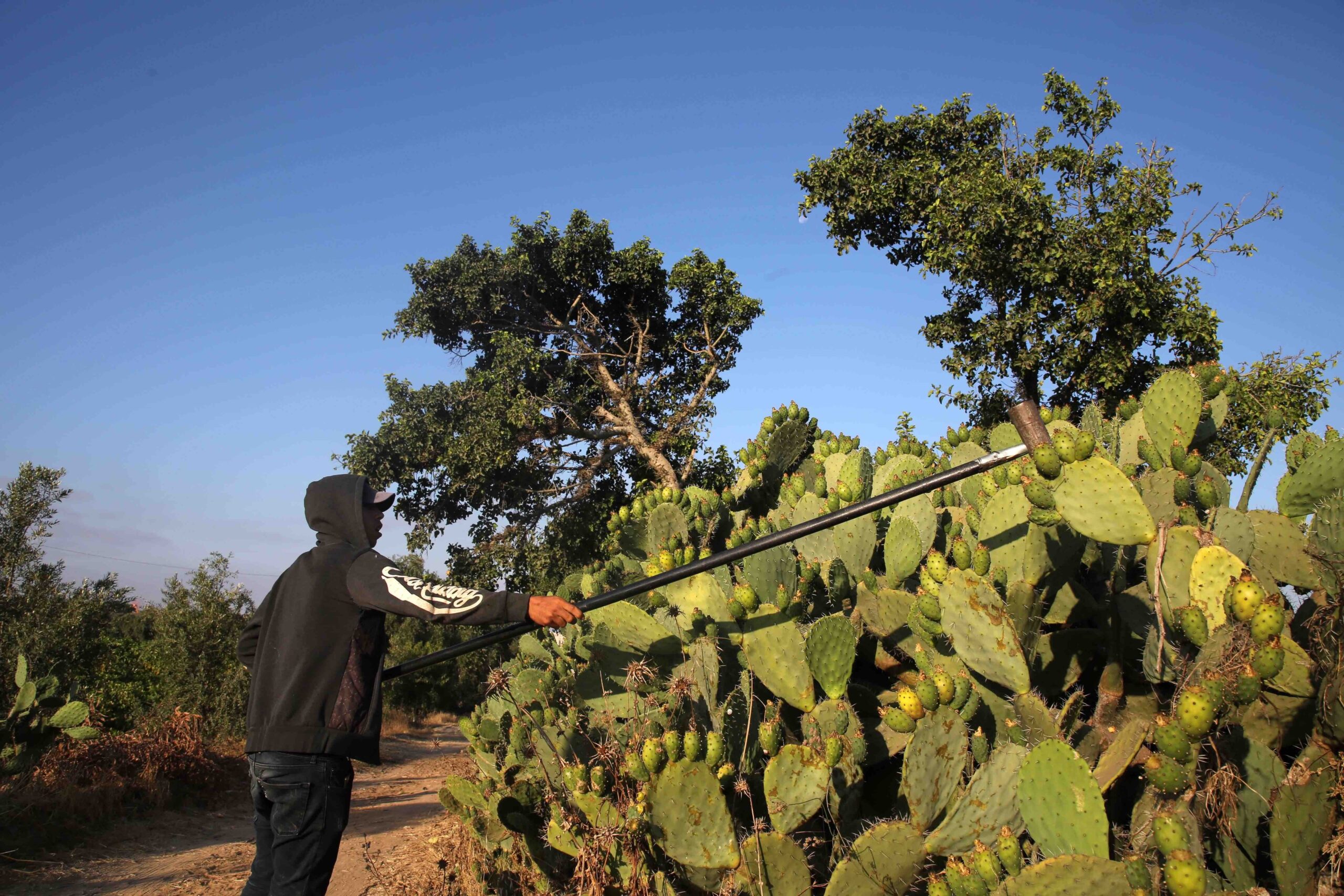
While the Echinocactus may not boast the same historical tattooing pedigree as, say, the lotus or the koi, its symbolism is deeply rooted in the cultures of the regions where it thrives. Indigenous communities of Mexico and the southwestern United States have long revered the cactus for its life-sustaining properties. The golden barrel cactus, in particular, has been used in traditional medicine for its healing properties, and its image has appeared in art and folklore as a symbol of protection and sustenance. In the context of tattooing, the Echinocactus can be seen as a nod to these traditions, a way to honor the land and its enduring spirit. For those with ancestral ties to these regions, the tattoo can serve as a bridge between past and present, a visual affirmation of cultural heritage and resilience.
Placement and Meaning: Where the Cactus Takes Root on the Skin
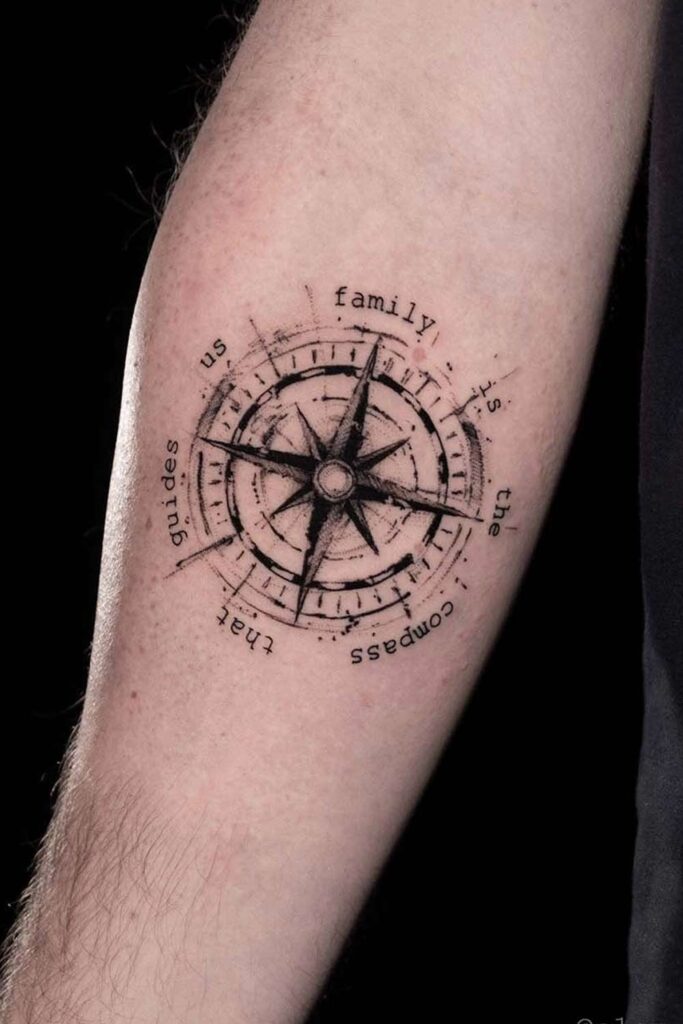
The placement of an Echinocactus tattoo can further deepen its significance. A tattoo on the forearm, where it is visible to the world, might symbolize a public declaration of strength—an unspoken promise to face challenges head-on. Conversely, a tattoo on the ribcage or back could represent a more personal, introspective resilience, a reminder to oneself that growth often happens in quiet, unseen spaces. The curvature of the ribs, for instance, can mirror the ribbed texture of the cactus, creating a harmonious fusion between body and design. For those who choose to place the tattoo in a less conventional location—perhaps the ankle or the collarbone—the Echinocactus becomes a secret emblem, a personal talisman that whispers of endurance only to those who know where to look.
Color Palette: The Desert’s Palette on Skin
The color choices in an Echinocactus tattoo can dramatically alter its mood and symbolism. A monochromatic design, rendered in shades of black and gray, evokes a sense of timelessness and solemnity, as if the cactus has been etched into the skin by the hands of fate itself. For those seeking vibrancy, a palette inspired by the desert at dawn—golden yellows, burnt oranges, and deep reds—can infuse the tattoo with warmth and vitality. Some artists experiment with iridescent inks or subtle shading to mimic the way sunlight dances on the cactus’s spines, creating a living, breathing piece of art that shifts with the movement of the body. The choice of color can also reflect the wearer’s emotional landscape: a muted palette might signify quiet strength, while bold hues could represent a fiery, unyielding spirit.
Pairing the Echinocactus with Other Symbols: A Tapestry of Meaning
An Echinocactus tattoo need not stand alone; it can be woven into a larger narrative through the addition of complementary symbols. A snake, coiled around the cactus, might represent transformation and healing, echoing the cactus’s own regenerative abilities. A hummingbird, frozen in mid-flight near the spines, could symbolize joy and resilience in the face of adversity. For those drawn to astrology, the cactus might be paired with celestial motifs—a crescent moon or a sun—to signify the cyclical nature of growth and renewal. The possibilities are as endless as the desert horizon, limited only by the wearer’s imagination and the artist’s skill. Each added element serves to enrich the tattoo’s meaning, transforming it into a personal manifesto of strength and perseverance.
The Echinocactus Tattoo as a Rite of Passage
In many ways, receiving an Echinocactus tattoo can feel like a rite of passage—a deliberate choice to mark a moment of personal growth or triumph. The pain of the needle, the permanence of the ink, and the vulnerability of baring one’s skin all contribute to the ritualistic nature of the experience. For some, the tattoo commemorates overcoming a significant challenge, whether it be a physical ailment, a emotional trial, or a professional milestone. For others, it is a celebration of a new chapter in life, a visual reminder that they are capable of weathering whatever comes next. The Echinocactus, with its thorny exterior and hidden softness, mirrors this duality—it is a symbol of both the pain endured and the beauty that follows.
Aftercare and Longevity: Nurturing the Symbol
Like the cactus it represents, an Echinocactus tattoo requires care to thrive. Proper aftercare ensures that the design remains vibrant and sharp for years to come. This means keeping the tattoo clean and moisturized, avoiding prolonged exposure to the sun, and resisting the urge to pick at scabs or flakes. Over time, the tattoo may fade slightly, but this is a natural part of its evolution, much like the cactus’s own journey from seedling to mature plant. Some wearers choose to schedule touch-ups every few years to maintain the tattoo’s crispness, while others embrace the softened edges as a testament to the passage of time. Either way, the care given to the tattoo becomes an extension of the care given to oneself—a daily ritual of nurturing and respect.
The Echinocactus tattoo is more than a design; it is a conversation between the wearer and the world, a silent yet powerful statement of resilience. Whether worn as a badge of honor, a cultural homage, or a deeply personal reminder, it invites onlookers to pause and reflect on the quiet strength that lies within us all. In a society that often glorifies loud, immediate victories, the Echinocactus stands as a testament to the power of endurance, of growing slowly, of thriving in the margins. It is a tattoo for those who know that the most profound transformations are not always the most visible ones.
FAQ
What is the meaning behind Echinocactus tattoos?
They symbolize unyielding resilience and the ability to thrive in adversity, reflecting the golden barrel cactus's survival traits.
How can Echinocactus tattoos be customized?
Designs range from minimalist lines to intricate realism and can include additional elements like desert landscapes, animals, or celestial symbols.
Are there cultural significances associated with Echinocactus tattoos?
Yes, the cactus is revered in indigenous Mexican cultures for its healing properties and symbolism of protection and sustenance.
What aftercare is recommended for Echinocactus tattoos?
Keep the tattoo clean, moisturized, avoid sun exposure, and consider periodic touch-ups to maintain vibrancy.
Leave a Reply