
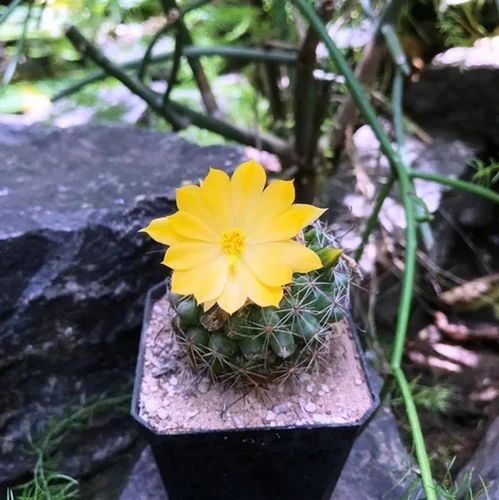
Short Answer
There’s something quietly revolutionary about bringing a slice of the desert into your home—a living testament to resilience, beauty, and the unyielding spirit of nature. Mammillaria cacti, with their globular forms and delicate crowns of spines, are more than just plants; they are miniature ecosystems, self-contained worlds of endurance and grace. Whether nestled in a sunlit windowsill or gracing a patio with their spiny silhouettes, these succulents thrive in containers, bridging the gap between indoor tranquility and outdoor exuberance. For the uninitiated, growing Mammillaria might seem like a daunting task reserved for the green-thumbed elite, but the truth is far more inviting. With the right guidance, anyone can cultivate these resilient beauties, transforming their space into a thriving oasis of prickly charm. This guide is your passport to mastering the art of Mammillaria cultivation, whether you’re a novice seeking green-fingered confidence or a seasoned enthusiast looking to refine your techniques.
The Allure of Mammillaria: A Primer on Nature’s Tiny Titans
Mammillaria, affectionately dubbed the “nipple cactus” for the tubercles that adorn their bodies, are a genus of approximately 200 species, each a masterpiece of evolutionary ingenuity. Their compact size belies their grandeur; these cacti are often no larger than a golf ball, yet their geometric perfection and vibrant blooms make them irresistible. Native to the arid landscapes of Mexico and the southwestern United States, Mammillaria have evolved to survive in conditions that would spell doom for most plants—scorching sun, parched soil, and erratic rainfall. This adaptability makes them ideal candidates for container gardening, where their needs can be meticulously controlled. But don’t let their diminutive stature fool you; these cacti pack a punch of personality. From the snow-white spines of *Mammillaria candida* to the fiery red blooms of *Mammillaria elongata*, each species offers a unique aesthetic, allowing you to curate a collection that reflects your personal style. Whether you’re drawn to their architectural forms or their fleeting floral displays, Mammillaria are a gateway to a deeper appreciation of nature’s tenacity.
Choosing the Perfect Container: More Than Just a Pretty Pot
The vessel you select for your Mammillaria is not merely a decorative afterthought—it’s a critical component of their success. Unlike their terrestrial counterparts, cacti are prone to root rot, a silent killer that thrives in stagnant moisture. This means your container must prioritize drainage above all else. Terracotta pots, with their porous clay walls, are a classic choice, allowing excess water to evaporate and preventing the dreaded soggy soil syndrome. For a modern twist, consider ceramic or concrete planters with ample drainage holes, or even repurposed containers like vintage tins or wooden boxes lined with a moisture barrier. Size matters too; Mammillaria prefer snug quarters, so opt for a pot that’s only slightly larger than the root ball. A container that’s too spacious can lead to overwatering and root suffocation, while one that’s too cramped stunts growth. And don’t overlook the aesthetic harmony—your pot should complement both the cactus and its surroundings, whether that’s a minimalist urban balcony or a bohemian indoor jungle. Remember, the right container is the foundation of a thriving Mammillaria ecosystem.

Soil Secrets: Crafting the Ideal Substrate for Succulent Success
If containers are the stage, then soil is the script—get it wrong, and your Mammillaria will flounder no matter how much love you pour into it. The key to a thriving cactus mix is mimicking the well-draining, nutrient-poor soils of their native habitats. A standard potting mix is a recipe for disaster; instead, blend your own using a base of coarse sand, perlite, and a high-quality cactus or succulent soil. The ideal ratio is roughly 50% inorganic material (like pumice or grit) to 50% organic matter (such as coconut coir or compost). This combination ensures rapid drainage while retaining just enough moisture to sustain the plant between waterings. For an extra boost of aeration, consider adding a handful of crushed lava rock or expanded shale. Avoid peat-heavy mixes, as they compact over time and retain too much water. And here’s a pro tip: sterilize your soil mix before use to eliminate pests and pathogens. A quick bake in the oven at 200°F (93°C) for 30 minutes works wonders. With the right soil, your Mammillaria will root deeply, grow vigorously, and reward you with years of trouble-free beauty.
Light: The Elixir of Life for Mammillaria
Light is the lifeblood of Mammillaria, and understanding their luminous needs is the difference between a flourishing specimen and a etiolated, pale shadow of its former self. These cacti are sun-worshippers by nature, thriving in bright, indirect light or direct sunlight for at least six hours a day. Indoors, a south-facing window is the gold standard, though east or west-facing spots can work with supplemental grow lights. Outdoors, a spot with morning sun and afternoon shade is ideal, especially in hot climates where intense midday rays can scorch delicate spines. If your Mammillaria starts stretching or leaning toward the light—a phenomenon known as etiolation—it’s a cry for help. This leggy growth is a sign of insufficient light, and while you can’t reverse it, you can prevent it by relocating your cactus to a sunnier perch. Conversely, too much direct sun can cause sunburn, leaving unsightly white or brown patches on the skin. The solution? Gradual acclimatization. If you’re moving your Mammillaria outdoors after winter dormancy, introduce it to sunlight slowly over a week or two. With the right light conditions, your cactus will develop compact, vibrant growth and a robust constitution.
Watering Wisdom: The Delicate Dance of Hydration
Watering a Mammillaria is less about following a rigid schedule and more about reading the plant’s cues—a skill that comes with observation and patience. The cardinal rule? Less is more. These cacti are drought-adapted, storing water in their fleshy tissues to survive prolonged dry spells. Overwatering is the fastest route to root rot, so always err on the side of underwatering. The best approach is the “soak and dry” method: water thoroughly until it drains from the bottom of the pot, then wait until the soil is completely dry before watering again. Indoors, this might mean watering every 2–4 weeks, depending on your home’s humidity and temperature. Outdoors, rainfall can reduce the frequency, but always check the soil before reaching for the watering can. A simple finger test—inserting your finger an inch into the soil—will tell you if it’s time to hydrate. During winter dormancy, reduce watering to a bare minimum, as the plant’s metabolic rate slows. And never water from above; always direct the flow to the soil to avoid wetting the spines or crown, which can lead to rot or fungal issues. Master this delicate balance, and your Mammillaria will thrive with minimal fuss.
Temperature and Seasonal Care: Mimicking the Desert’s Rhythms
Mammillaria are creatures of habit, thriving when their environment aligns with their natural cycles. In their native habitats, they experience distinct seasons—hot, dry summers and cool, dry winters—with minimal temperature fluctuations. Replicating these conditions in cultivation is key to their well-being. During the growing season (spring and summer), keep your cactus in temperatures between 70°F and 100°F (21°C–38°C), with a slight drop at night to encourage robust growth. If temperatures soar above 100°F (38°C), provide light shade to prevent heat stress. As autumn arrives, gradually reduce watering and allow the plant to enter dormancy. Winter care is critical; Mammillaria need a cool, dry rest period to flower and stay healthy. Aim for temperatures between 50°F and 60°F (10°C–15°C), with minimal watering—just enough to prevent shriveling. Avoid exposing them to frost or freezing temperatures, as this can cause irreversible damage. If you’re growing indoors, consider moving your cactus to a cooler room or under grow lights to simulate seasonal changes. With attentive seasonal care, your Mammillaria will reward you with vigorous growth and spectacular blooms year after year.
Fertilizing: The Art of Subtle Nourishment
While Mammillaria are not heavy feeders, a judicious application of fertilizer can enhance their growth and flowering potential. The best time to fertilize is during the active growing season, typically from early spring to late summer. Use a balanced, water-soluble fertilizer formulated for cacti and succulents, diluted to half-strength to avoid overfeeding. A 10-10-10 or 5-10-10 NPK ratio is ideal, providing essential nutrients without overwhelming the plant. Fertilize every 4–6 weeks, but skip feeding during the winter dormancy period. Overfertilization can lead to excessive, weak growth or salt buildup in the soil, which can harm the roots. If you notice brown, crusty deposits on the soil surface, it’s a sign of fertilizer burn—flush the soil with water to leach out the excess salts. For a more organic approach, consider using diluted worm castings or compost tea, which provide gentle, slow-release nourishment. Remember, fertilizing is not about quantity but consistency; a light touch will yield the best results.
Pests and Problems: Troubleshooting Common Issues
Even the most well-cared-for Mammillaria can fall prey to pests or environmental stressors, but early detection and intervention can save your plant from irreversible damage. The most common culprits are mealybugs, scale insects, and spider mites, which lurk in the nooks of spines or along the soil line. Mealybugs appear as white, cottony masses, while scale insects resemble tiny brown bumps. Spider mites are nearly invisible but leave behind fine webbing and stippled foliage. To combat these invaders, start with a gentle approach: wipe the plant with a cotton swab dipped in rubbing alcohol or spray it with a mixture of water and neem oil. For severe infestations, insecticidal soap or systemic pesticides may be necessary. Environmental issues, such as yellowing or wrinkled skin, often stem from overwatering, underwatering, or poor drainage. If the soil is soggy, repot the plant immediately and trim any rotted roots. Conversely, if the cactus appears shriveled, it’s a sign of dehydration—water deeply and monitor its recovery. Prevention is the best medicine: maintain good air circulation, avoid overcrowding, and inspect your plants regularly. With vigilance and care, your Mammillaria will remain a resilient, pest-free centerpiece in your collection.
Propagation: Growing Your Collection from Scratch
There’s a unique joy in propagating your own Mammillaria, transforming a single plant into a thriving colony of offspring. The easiest method is offsets, or “pups,” which many Mammillaria species produce prolifically. To propagate, gently remove a pup from the parent plant using a clean, sharp knife, ensuring it has its own roots. Allow the cut to callus over for a day or two to prevent rot, then plant it in a well-draining mix. Water sparingly for the first week to encourage rooting, and place it in bright, indirect light. Within a few weeks, the pup should establish itself and begin growing. For adventurous gardeners, seed propagation offers a rewarding challenge. Sow seeds in a shallow tray filled with a cactus mix, covering them lightly with sand or grit. Keep the tray in a warm, humid environment with bright, indirect light, and mist lightly to maintain moisture. Germination can take weeks or even months, so patience is key. Whether you choose offsets or seeds, propagation is a testament to the life-affirming cycle of growth and renewal that defines the world of succulents.
Styling and Display: Elevating Your Mammillaria to Art
A Mammillaria is not just a plant—it’s a living sculpture, a conversation starter, and a focal point in any space. The way you display it can elevate its beauty from merely decorative to truly extraordinary. For indoor settings, consider grouping multiple species together in a shallow tray or a geometric planter to create a miniature desert landscape. Terracotta bowls, concrete pedestals, or even repurposed teacups can add a whimsical touch. Outdoors, Mammillaria thrive in rock gardens, succulent borders, or hanging baskets, where their cascading forms can be fully appreciated. Pair them with complementary plants like echeverias, sedums, or agaves to create a cohesive, drought-tolerant oasis. Lighting plays a crucial role in highlighting their textures—consider placing them near a window with dappled light or using LED grow lights to accentuate their spines and blooms. And don’t forget the power of contrast: a cluster of dark green Mammillaria against a white wall or a single specimen in a bold, colorful pot can make a striking statement. With a little creativity, your Mammillaria can become a living work of art, a testament to the beauty of the natural world.
FAQ
What is the best container for Mammillaria cacti?
Terracotta pots are ideal due to their drainage properties, but ceramic or concrete with drainage holes can also work well.
How often should I water my Mammillaria?
Water every 2-4 weeks, allowing the soil to dry completely between waterings.
What light conditions do Mammillaria need?
They thrive in bright, indirect light or direct sunlight for at least six hours a day.


Leave a Reply