
Short Answer
Spider Mites on Cacti: A Silent Siege in the Desert Landscape
In the vast expanses of arid terrains, cacti stand as vibrant sentinels, adorning the landscape with their striking forms and bold resilience. However, lurking within this allure is a diminutive menace: spider mites. These microscopic marauders can wreak havoc on your beloved succulents, transforming joy into despair. Understanding how to prevent and address spider mite infestations is essential for preserving the health and beauty of your cacti.
The Nature of the Beast: Unraveling Spider Mites
Spider mites are not true insects; rather, they belong to the arachnid family, sharing lineage with spiders and ticks. These minuscule pests thrive in warm, dry conditions, making cacti particularly susceptible. They exhibit a penchant for both succulent and desert flora, feeding on plant sap with an insatiable appetite. A mere infestation can ruin an otherwise glorious specimen, causing leaves to pucker, turn yellow, or develop a web-like appearance.
What makes spider mites so formidable is their rapid reproduction. A single female can lay up to 20 eggs per day. With a lifespan of two to four weeks, their populations can swell exponentially. In less than a month, a minor problem may escalate into a full-blown siege. As they proliferate, they create a webbing that further damages the plant, resulting in a cascade of woes that can culminate in severe health decline or even death.
Identifying the Invasion: Signs of Spider Mite Infestation
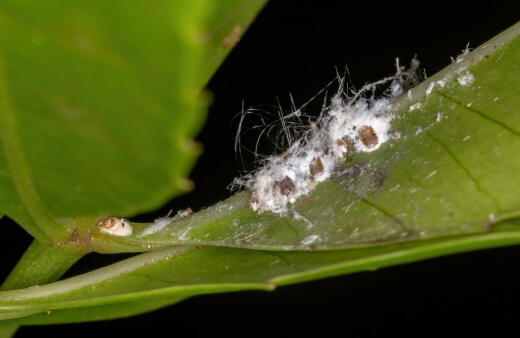
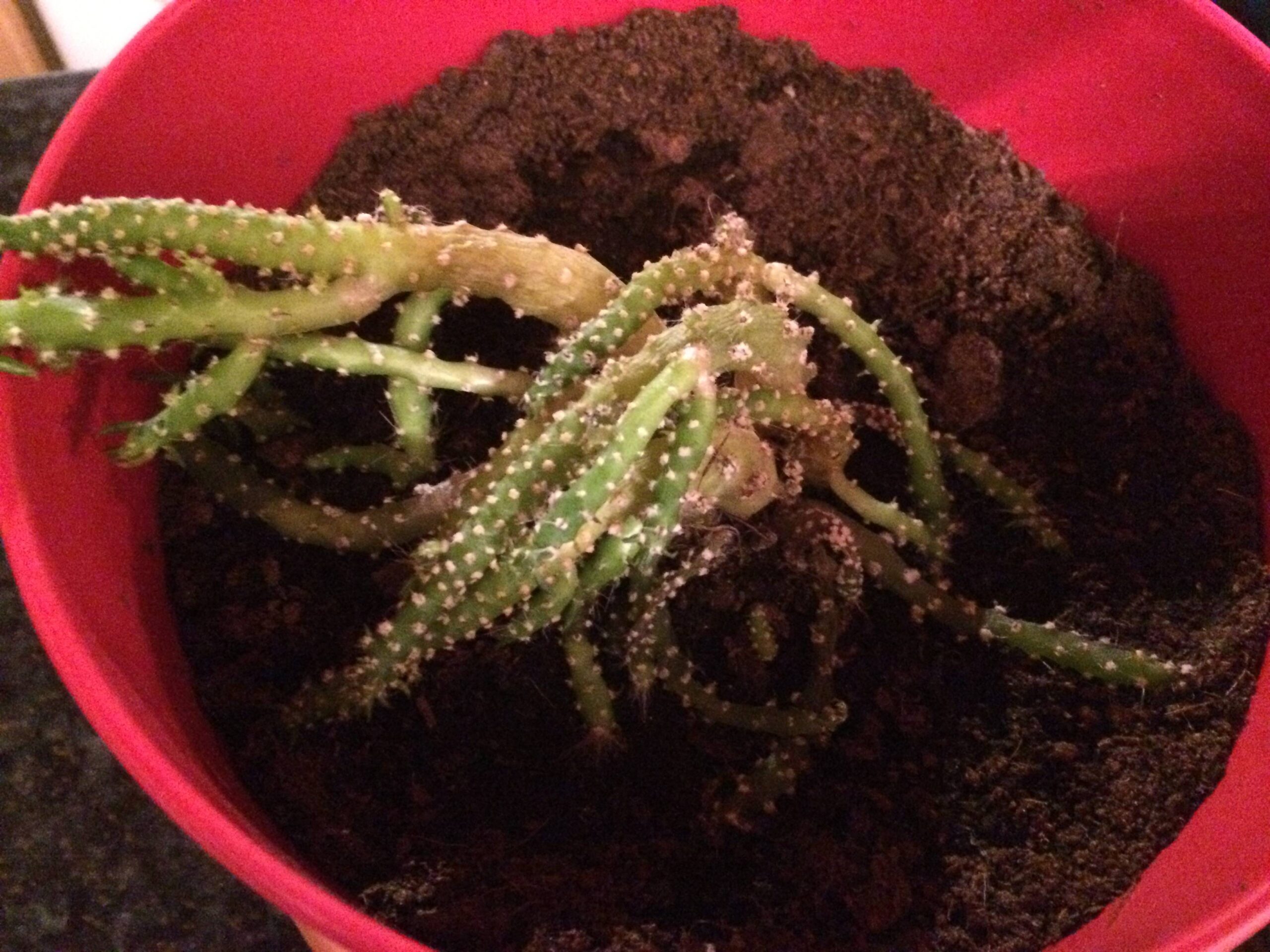
Awareness is your foremost weapon against spider mites. Learning to identify the signs of an infestation can save your plants from despair. The first indication may be the presence of tiny, fine webbing, almost velvety against the cactus skin. This webbing often shrouds newly formed leaves and stems, presenting an unsettling veil upon vibrant surfaces.
Subsequently, you might notice stippling—small, discolored spots on the plant surface where the mites have fed. Yellowing leaves and a general appearance of frailty also signal they may have claimed residence on your treasured cactus. Early detection is pivotal. Inspect your plants regularly, especially during the warmer months when spider mites are most active.
The Art of Prevention: Establishing Barriers
Prevention, as the adage goes, is worth a pound of cure. Establishing a pest-resistant environment can thwart spider mites before they establish a foothold. Here are some strategies:
The first step is to cultivate your cacti in a well-ventilated area. Air circulation is a natural buffer against spider mites, who favor stagnant air. Also, ensure that your plants are not overcrowded; spacing them further apart can mitigate the risk of infestation.
Maintain humidity levels that are mildly elevated. While cacti are generally drought-tolerant, a bit of moisture in the air can dissuade spider mites from colonizing. A gentle misting of plants a few times a week can work wonders, but be careful not to over-saturate, as excessive dampness invites other pests.
Regularly inspect new plants before introducing them to your collection. Quarantine any new additions for at least two weeks. During this time, monitor them for the presence of spider mites or any other pests. Remember, vigilance today preserves your collection for tomorrow.
Treatment Strategies: Combatting a Mite Onslaught
Despite your best efforts, a spider mite infestation may still occur. If you find yourself in such a predicament, several strategies can restore your cacti to their previous glory.
Begin with a thorough washing. Gently spray your cacti with a strong jet of water to dislodge spider mites. Ensure you target the undersides of leaves where they often congregate. Be cautious in your approach, as excessive pressure can damage delicate structures. Follow up with a mild soap solution to disrupt their feeding and reproductive capabilities.
Another invaluable tool in your arsenal is insecticidal soap or neem oil. These natural options are effective in eliminating spider mites while being gentle on your plants. Apply these treatments according to the product instructions, ensuring thorough coverage. Repeat applications may be necessary, particularly in persistent infestations.
For substantial infestations, consider introducing predatory mites. These natural antagonists, such as Phytoseiulus persimilis, feast on spider mites, providing an effective biological control method. This approach fosters a balanced ecosystem, reducing your reliance on chemicals while sustaining the vitality and health of your desert dwellers.
Embracing Resilience: Protecting Your Plant Family
Ultimately, the key to safeguarding your cacti lies in a harmonious balance between nurturing your plant family and vigilance against hidden threats. By establishing preventive measures, ensuring regular maintenance and inspections, and utilizing treatment strategies when needed, you can fortify your collection against the encroachment of spider mites.
These spidery adversaries may seem like an insurmountable challenge, but with informed vigilance and proactive care, your cacti can continue to bask in the sunny glory of their desert dominion, unfazed by the shadow of pests. By fostering your understanding of spider mites, you enable your cacti not only to survive but thrive, blossoming beautifully in their botanical kingdom.
FAQ
What are spider mites and why do they infest cacti?
Spider mites are tiny arachnids that feed on plant sap, thriving in warm, dry conditions common to cacti habitats, causing damage to the plants.
How can I recognize a spider mite infestation on my cactus?
Look for fine webbing on the cactus surface, yellow or discolored spots, stippling, and general plant frailty.
What preventive measures help avoid spider mite infestations?
Maintain good air circulation, moderate humidity, avoid overcrowding, and quarantine new plants before introducing them.
Which treatments are effective against spider mites on cacti?
Washing with water, using insecticidal soap or neem oil, and introducing predatory mites can effectively control spider mite populations.
Are chemical pesticides recommended for spider mite control on cacti?
Natural treatments are preferred to avoid plant damage; use chemical pesticides only as a last resort and with caution.
Leave a Reply