
Short Answer
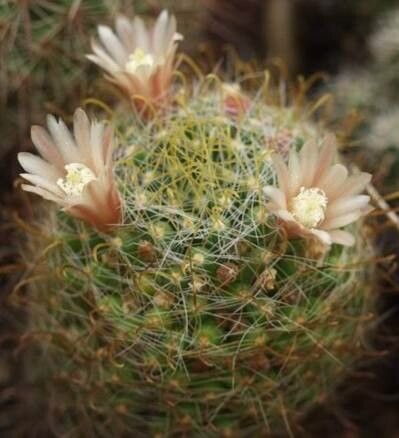
Picture this: a cluster of emerald-green globes, each crowned with a crown of delicate spines, standing sentinel in a sun-drenched windowsill. These are no ordinary cacti—they are Mammillaria, the jewels of the desert, their miniature rosettes whispering secrets of resilience and rebirth. But here’s the question that has sent many a green-thumbed dreamer down a rabbit hole of propagation possibilities: Can you, in fact, coax new life from a cutting of this prickly darling? The answer isn’t just a simple yes or no—it’s a story of patience, precision, and a dash of botanical audacity. Buckle up, because we’re about to shatter myths, celebrate triumphs, and maybe even redefine what it means to grow a Mammillaria from scratch.
The Myth of the Impossible: Debunking Propagation Dogma
For years, a hushed consensus has echoed through gardening circles: Mammillaria, with its intricate root systems and finicky nature, is a lost cause when it comes to cuttings. The prevailing wisdom? Stick to offsets, those tiny clones that sprout like loyal sidekicks around the mother plant. But what if this dogma is nothing more than a carefully cultivated myth, a relic of impatience and misinformation? The truth is far more thrilling. While offsets are the low-hanging fruit of Mammillaria propagation, the art of coaxing roots from a cutting is not just possible—it’s a rebellion against the status quo. These cacti, after all, are survivors. They thrive in cracks in the rock, where moisture is scarce and the sun is relentless. Why wouldn’t they adapt to a little human intervention?
The key lies in understanding their anatomy. Unlike their leafy cousins, cacti store water in their stems, and Mammillaria is no exception. A cutting, when treated with the reverence of a sacred relic, can tap into this stored vitality. The trick? Timing, technique, and a willingness to dance with the unpredictable. Forget the rigid rules of thumb—this is where horticulture meets alchemy.
The Anatomy of a Cutting: What You’re Really Working With
To propagate a Mammillaria from a cutting is to engage in a silent dialogue with its very essence. You’re not just severing a piece of the plant; you’re inviting it to rewrite its own destiny. But before you snip, you must understand what you’re holding in your hands. A Mammillaria cutting isn’t just a stem—it’s a microcosm of survival strategies, a condensed version of the plant’s entire lifecycle.
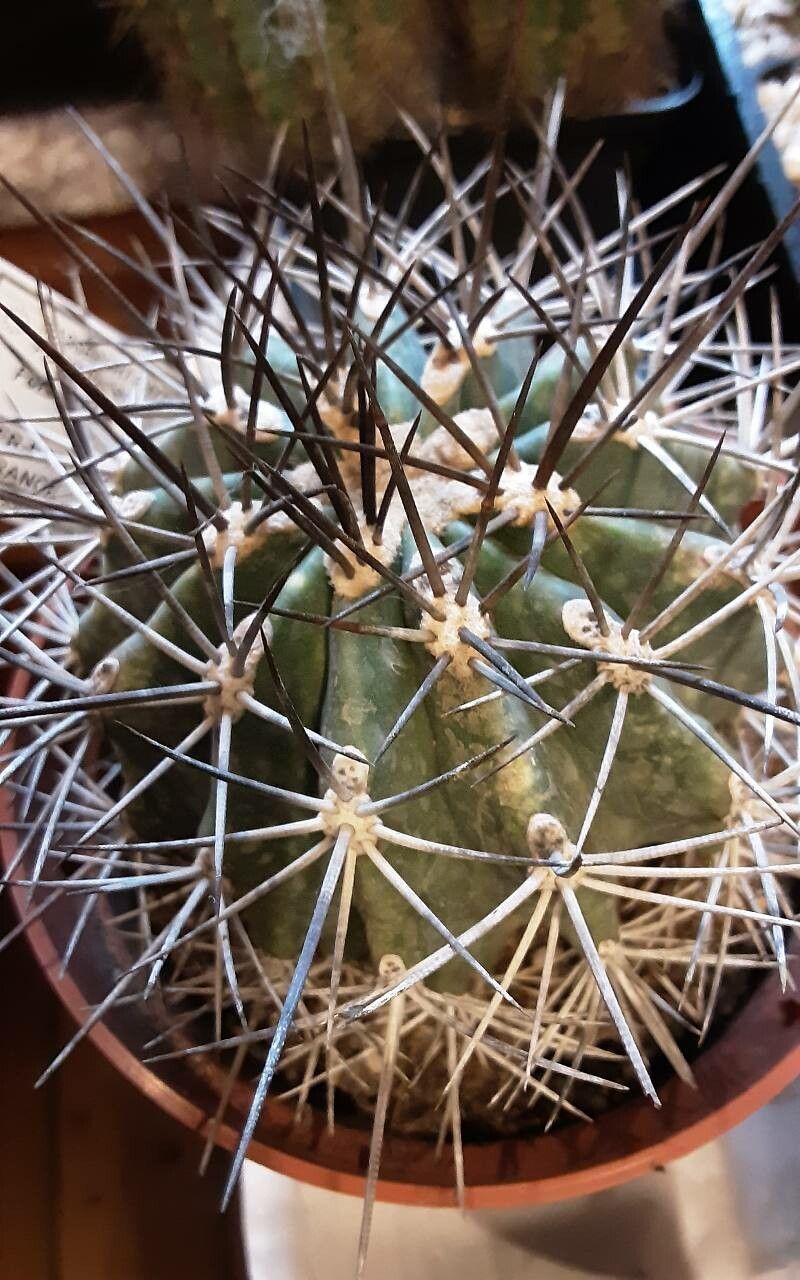
The areoles, those woolly, button-like structures dotting the surface of the cactus, are the unsung heroes of this process. These are the birthplaces of spines, flowers, and, crucially, new roots. When you take a cutting, you’re preserving these areoles, ensuring that the plant’s potential for regeneration remains intact. But here’s where things get interesting: not all areoles are created equal. The ones near the base of the cutting, where the plant’s energy is most concentrated, are your best bet for rooting success. It’s like choosing the ripest fruit from the tree—not all parts of the plant are equally primed for rebirth.
And then there’s the matter of the cut itself. A clean, precise slice with a sterilized blade isn’t just good practice—it’s an act of respect. Jagged edges invite rot, while a smooth incision minimizes trauma. Think of it as performing surgery on a tiny, spiky patient. The goal isn’t just to separate the cutting from the mother plant; it’s to give it the best possible chance to heal and thrive.
The Ritual of Preparation: Patience as Your Greatest Tool
If propagation were a religion, preparation would be its most sacred ritual. You can’t rush the process. You can’t force the cutting to root before its time. What you can do is create the conditions for magic to happen. And that starts with letting the cutting breathe.
After severing the cutting, set it aside in a dry, shaded spot for a few days—sometimes up to a week. This isn’t just idle waiting; it’s a period of convalescence. The cut end will form a callus, a protective scab that seals in moisture and wards off infection. Skipping this step is like sending a soldier into battle without armor. The callus is your first line of defense, the difference between a thriving new plant and a rotting corpse.
While you wait, resist the urge to prod and poke. Resist the temptation to check for roots every other day. Propagation is a test of faith, a lesson in delayed gratification. The callus will form in its own time, and when it does, you’ll know the plant is ready to take the next step. This is where the real work begins—not in the act of cutting, but in the art of waiting.
The Medium Matters: Choosing Your Battleground
Not all soils are created equal, and not all growing mediums will welcome your Mammillaria cutting with open arms. This is where the science of propagation meets the art of intuition. The ideal medium is one that mimics the plant’s natural habitat: gritty, well-draining, and just a little bit inhospitable. Think of it as the botanical equivalent of a cozy, moisture-wicking hiking boot—supportive, but never suffocating.
Start with a blend of coarse sand, perlite, and a smattering of peat or coconut coir. The sand provides structure, the perlite ensures aeration, and the organic matter offers just enough moisture retention to keep the cutting hydrated without drowning it. Avoid heavy, water-retentive soils at all costs. Mammillaria doesn’t do puddles. It thrives in the cracks of arid landscapes, where every drop of water is a precious commodity. Replicate that environment, and you’ll give your cutting the fighting chance it deserves.
And then there’s the container. A shallow tray or a small pot with ample drainage holes is your best ally. Terracotta, with its porous nature, is ideal—it wicks away excess moisture and prevents the dreaded root rot. Plastic, while convenient, can trap humidity and spell doom for your cutting. Choose your vessel wisely, for it will cradle the future of your Mammillaria.
The Waiting Game: Signs of Life and the Art of Observation
Weeks pass. The cutting sits, stubborn and silent, in its gritty bed. You water it sparingly, misting the soil like a desert rain. You watch. You wait. And then, one day, you notice it: a tiny, almost imperceptible shift. A change in color. A hint of plumpness at the base. Your heart leaps. Is it real? Or is your mind playing tricks on you?
This is the moment of truth. The cutting is beginning to root. The callus has done its job, and now the plant is reaching out, testing the soil for stability. Don’t be fooled by the lack of visible roots—sometimes, the most profound transformations happen beneath the surface. A gentle tug, performed with the utmost delicacy, will tell you if the roots have taken hold. If there’s resistance, congratulations. You’ve just passed the first test of propagation.
But here’s the thing about waiting: it’s not passive. It’s an active engagement with the rhythms of growth. You’re not just observing; you’re participating in a silent conversation with the plant. Every watering, every adjustment of light, every whispered encouragement is a part of the process. And when the first signs of new growth appear—those tiny, hopeful bumps that will one day become spines or flowers—you’ll know you’ve done more than propagate a cactus. You’ve unlocked a secret.
Troubleshooting the Unthinkable: When the Cutting Says No
Not every cutting will take. Some will rot. Others will wither. And a few will simply… vanish. It’s the cruel mathematics of propagation, the price of admission to the world of green-thumbed experimentation. But here’s the thing: failure isn’t the end. It’s data. It’s a lesson. And it’s an opportunity to refine your technique.
Rot is the most common culprit, a silent killer that creeps in when the medium is too wet or the callus hasn’t formed properly. If you spot a mushy, discolored cutting, act fast. Remove it from the soil, trim away the rotten parts, and let it dry out before trying again. Sometimes, all it takes is a second chance.
Withering, on the other hand, is often a sign of dehydration. Mammillaria cuttings are tough, but they’re not invincible. If the cutting looks shriveled, it’s crying out for moisture—but not too much. A light misting, followed by a return to its dry, airy home, might just coax it back to life.
And then there are the cuttings that simply refuse to cooperate. Maybe the areoles weren’t positioned correctly. Maybe the timing was off. Maybe the universe just wasn’t ready. In these cases, don’t despair. Propagation is as much about intuition as it is about science. Sometimes, the answer isn’t in the cutting—it’s in the gardener’s willingness to try again.
The Reward: A New Generation of Mammillaria
When the first roots emerge, when the first spines unfurl, when the cutting finally stands on its own—this is the moment that makes it all worthwhile. You’ve taken a piece of a plant, a fragment of its essence, and turned it into something entirely new. You’ve participated in the cycle of life, not as a passive observer, but as an active participant.
This is the power of propagation. It’s not just about growing plants; it’s about growing yourself. It’s about learning to trust the process, to embrace the unknown, and to find joy in the tiniest of victories. With each Mammillaria you propagate from a cutting, you’re not just adding to your collection. You’re writing a new chapter in the story of these resilient, magnificent plants.
So go ahead. Take that cutting. Dare to defy the myths. And watch as your Mammillaria rewrites the rules of survival—one root, one spine, one tiny green revolution at a time.
FAQ
Can all Mammillaria types be propagated from cuttings?
While many Mammillaria species can be propagated from cuttings, success may vary based on the specific species and conditions.
What is the best time to take cuttings for propagation?
The best time to take cuttings is during the growing season, typically in spring or early summer.



Leave a Reply