
Short Answer
Have you ever found yourself staring at your beloved cactus, wondering if you’ve drowned it instead of nurturing it? It’s a perplexing predicament — cacti are famously resilient, yet overwatering can turn these hardy plants into soggy shadows of their former selves. How exactly do you rescue a cactus from the brink of water-induced disaster? Let’s embark on an exploration of the essential steps to revive and restore an overwatered cactus to vibrant health.
Recognizing the Telltale Signs of Overwatering
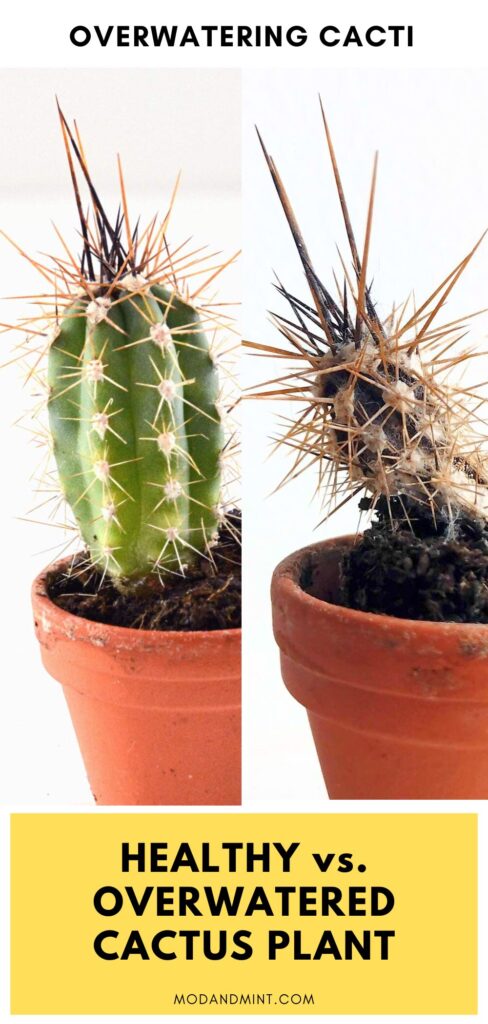
Before launching into a rescue mission, it’s crucial to detect the subtle and not-so-subtle indicators of overwatering. Unlike thirsty plants that wither from lack of moisture, an overwatered cactus exhibits a distinct set of symptoms. Look closely for mushy, translucent spots on the pads or stems — these are early signs of rot setting in. The cactus might also appear swollen or bloated, with discolorations, often turning yellow or brown. The once firm and spiky texture can become limp and fragile, hinting at severe water saturation.
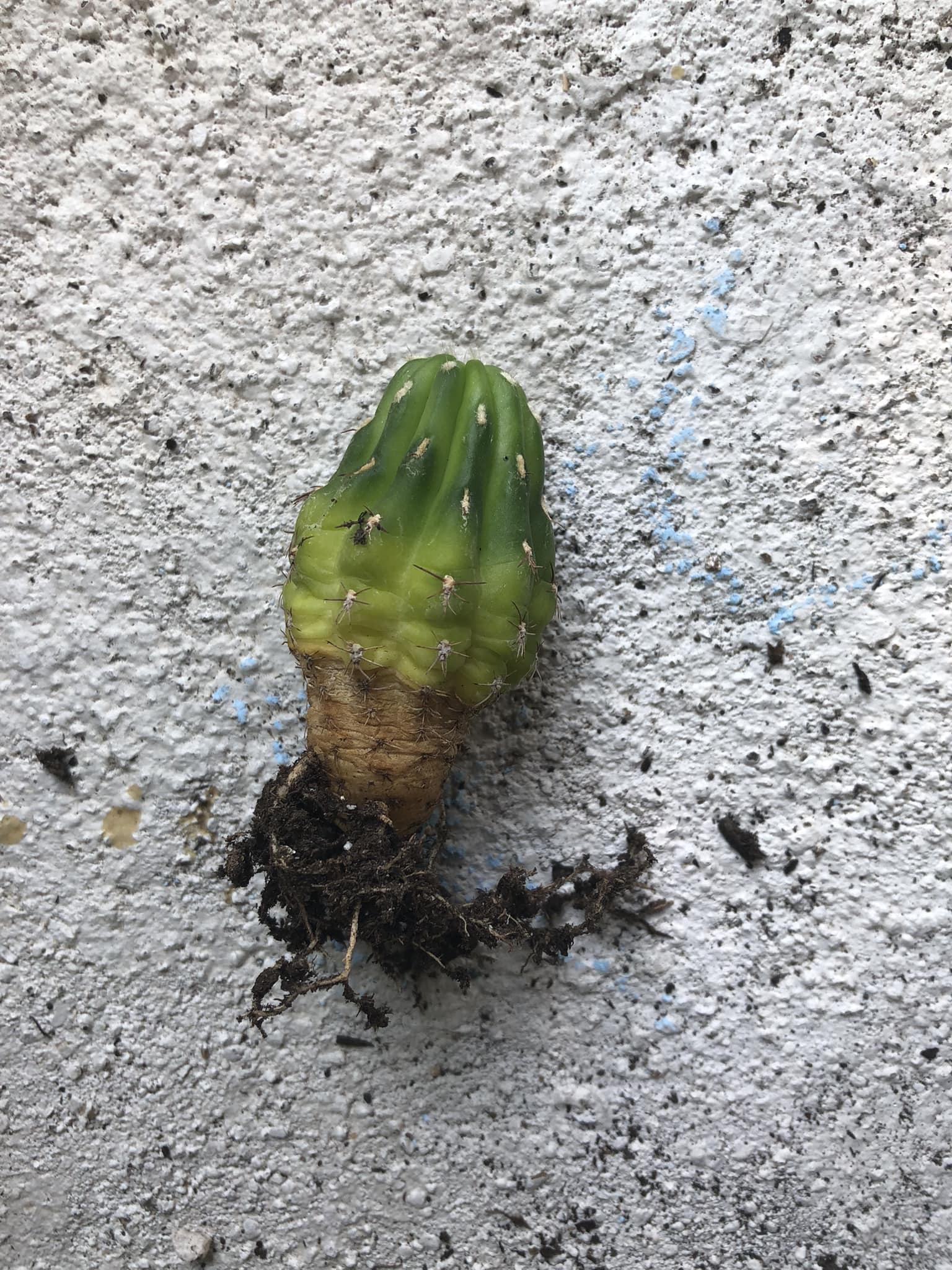
Understanding these warnings arms you with the knowledge to act swiftly, preventing irreversible damage.
Why Overwatering Is a Silent Deadly Enemy
Water is life, but paradoxically, too much of it can spell doom for desert-adapted cacti. These succulents have evolved to thrive in arid climates, equipped with thick fleshy stems and spines that conserve water. Saturating their roots inhibits oxygen absorption and fosters fungal growth, leading to root rot — the ultimate nemesis in this saga. Overwatered soil remains soggy for days, creating a toxic environment where pathogens flourish and suffocate roots.
Understanding the peril underscores the importance of mastering watering techniques tailored to the cactus’s natural habitat.
Immediate Actions: How to Halt the Damage
Upon recognizing the signs of overwatering, your first act is decisive: stop watering immediately. Continuing to douse the plant will only accelerate decay. Carefully remove the cactus from its pot to inspect the root system. Use your fingertips or a blunt tool to feel for mushy or blackened roots.
If root rot is present, trim away all affected tissue with sterile, sharp scissors or pruning shears. Be meticulous — any rotten roots left behind can propagate further damage. Allow the cactus to breathe by letting it dry out completely in a cool, shaded spot for several days. This drying period is critical to halt fungal growth and give the plant a fighting chance.

Patience here is paramount; rushing to water again too soon will undo your efforts.
Re-potting: Choosing the Right Home for Recovery
Once the cactus roots have dried and the damaged parts removed, the next step is repotting. Select a well-draining container with ample drainage holes to ensure water doesn’t accumulate again. Avoid pots that trap moisture, such as glazed ceramic without drainage or large heavy planters without adequate holes.
Use a specialized cactus or succulent soil mix, which is gritty and loose, often composed of sand, perlite, and peat-free components. This blend mimics the cactus’s natural desert substrate, ensuring swift water drainage and root aeration. When repotting, position the cactus so the remaining healthy roots have room to expand without crowding.

Repotting is not just a transplant; it’s a ritual of rejuvenation, signaling new beginnings for your cactus.
Watering Wisdom: The Art of Quenching Thirst Without Drowning
Relearning how and when to water your cactus is fundamental to long-term vitality. The mantra here is “less is more.” Water sparingly, and only when the soil has dried out completely. A good technique is to insert your finger about an inch into the soil; if it feels dry, it’s time to hydrate. During active growth seasons like spring and summer, watering intervals may be once every two to four weeks depending on climate and pot size. In cooler months, reduce watering almost to a dormant trickle.
Use room-temperature water to avoid shocking the roots, and water the base of the plant thoroughly, allowing excess to drain through the bottom of the pot. Never let your cactus sit in standing water, as this invites a repeat performance of soggy soil scenarios.
Environmental Considerations: Lighting, Temperature, and Airflow
Beyond watering, the environment plays a starring role in recovery. Cacti crave bright, indirect sunlight. Too little light weakens defenses, while scorching direct sun can stress a weakened plant further. Position your cactus near a south-facing window where it can receive ample filtered light.
Temperature also matters. These hardy plants prefer warm days (70-85°F) with cooler nights, mimicking desert conditions. Avoid placing your cactus near cold drafts or heaters, which create erratic conditions that impede healing.
Airflow is another unsung hero. Good ventilation helps dry excess moisture and reduces fungal spores in the air. A gentle fan or open window can provide the necessary circulation.
Patience and Vigilance: Monitoring Progress Over Time
Recovering a cactus from overwatering is rarely instantaneous. It demands nurturing patience. Monitor your plant closely for any progression of rot or fungal lesions. Celebrate small victories — new growth, firmer stems, brighter coloration — as these herald recovery. Conversely, if deterioration continues, reassess your care routine or consider consulting a specialist.
Keep a journal of your cactus’s condition and watering schedule to track improvements and avoid past mistakes. With time, attentiveness, and care, your cactus can regain its robust desert charm.
Preventive Measures: How to Avoid Overwatering in the Future
Ultimately, prevention trumps cure. Invest in moisture meters or soil probes that give accurate readings without guesswork. Cultivate a watering habit attuned to the seasons and indoor environment rather than a rigid routine. Select pots and soils designed explicitly for succulents, ensuring proper drainage. Understanding that cacti thrive best when slightly neglected can transform your approach from anxious watering to confident caretaking.
Remember, mastering the art of watering is part science, part intuition — a rewarding skill that elevates your green thumb to zen horticulturist status.
Saving an overwatered cactus may feel like navigating a watery labyrinth, but with careful observation, decisive action, and nurturing patience, the desert’s stalwart survivor in your home can thrive anew. So next time your cactus looks a little too soggy, don’t despair — adventure awaits beneath those spiny ribs.
FAQ
What are the signs of an overwatered cactus?
Signs include mushy, translucent spots, a swollen appearance, and a limp texture.
How can I save my overwatered cactus?
Stop watering immediately, inspect and trim any rotten roots, and repot in well-draining soil.
How often should I water my cactus?
Water sparingly, only when the soil is completely dry, typically every two to four weeks during the growing season.


Leave a Reply