
Short Answer
Have you ever wandered through a Middle Eastern garden and paused to marvel at the unexpected presence of a cactus? In a region famed for its lush oases and meticulously pruned cypresses, the sight of a spiky, sun-loving succulent might seem like an anomaly. Yet, cacti—those resilient denizens of the Americas—have found a curious foothold in the arid landscapes of the Middle East, weaving themselves into the very fabric of its garden traditions. What compels these desert wanderers to take root in a land already steeped in its own botanical heritage? And how do they challenge our perceptions of what a Middle Eastern garden should be?
The Unlikely Migration: Cacti in a Land of Date Palms and Jasmine
The story of cacti in Middle Eastern gardens begins not with ancient trade routes, but with the restless hands of gardeners and the adaptability of these plants. Native to the Americas, cacti were introduced to the Middle East through colonial exchanges, botanical explorations, and a growing fascination with the exotic. Unlike the region’s indigenous flora—such as the fragrant jasmine, the towering date palm, or the resilient olive tree—cacti arrived as outsiders, their sharp silhouettes and water-storing bodies defying the expectations of a landscape shaped by millennia of cultivation.
Yet, their survival in this new environment is a testament to nature’s ingenuity. Middle Eastern climates, with their scorching summers and sporadic rainfall, mirror the conditions of the Sonoran or Chihuahuan deserts where these plants originate. The cactus, with its waxy skin and deep roots, thrives where other plants might wither. It is a survivor, a botanical rebel that refuses to be confined by tradition. But how did it transition from a curiosity to a staple in some gardens? The answer lies in the Middle East’s evolving relationship with water—or rather, its scarcity.
The Water-Wise Revolution: Cacti as Champions of Arid Elegance
In a region where water is both a precious resource and a political flashpoint, cacti have emerged as unlikely heroes of sustainability. Traditional Middle Eastern gardens, with their reflective pools, lush irrigation channels, and verdant orchards, were once symbols of abundance. Today, however, the specter of drought and desertification looms large. Enter the cactus—a plant that asks for almost nothing and gives back in spades. Its presence in gardens is not merely decorative; it is a quiet rebellion against wastefulness.
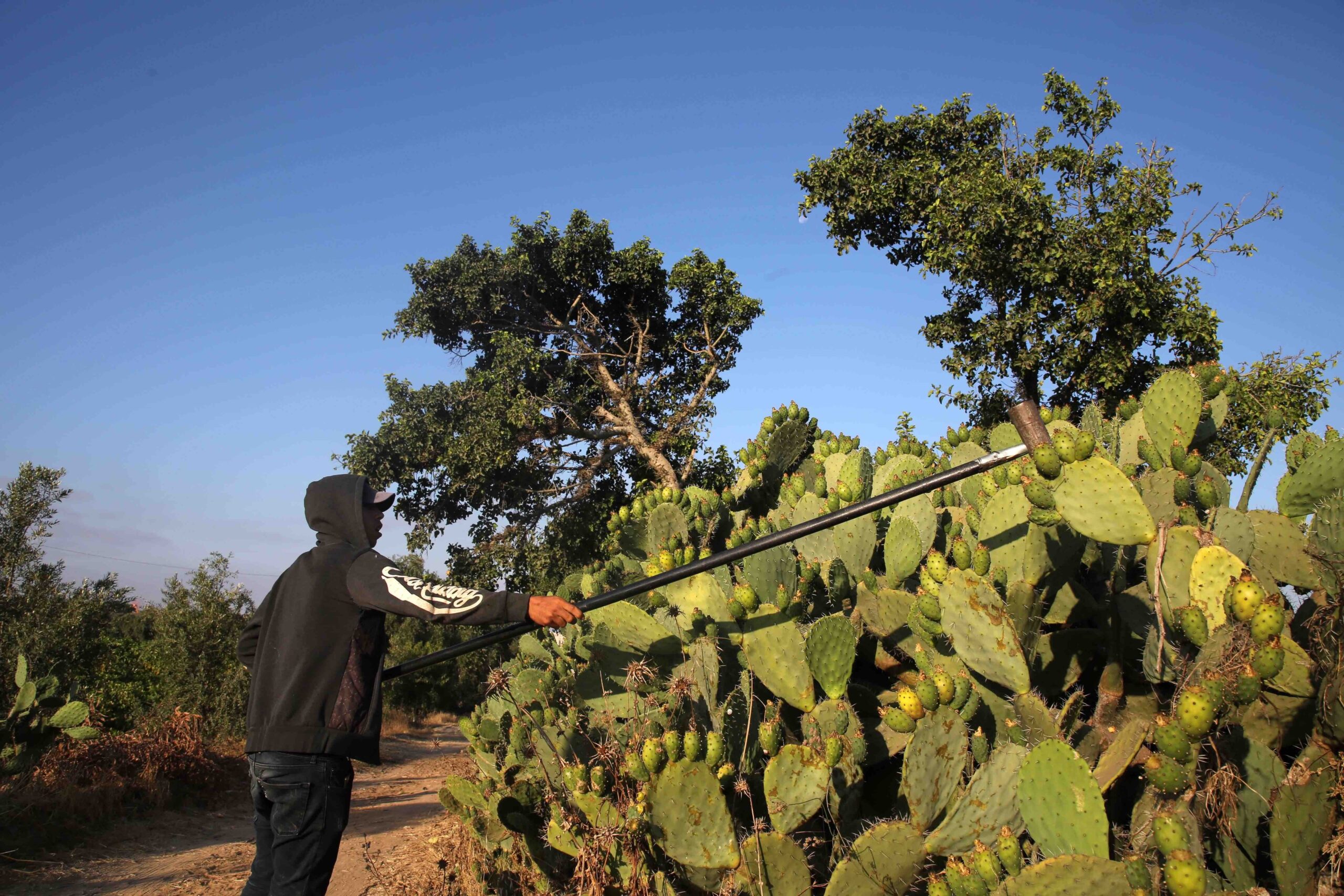
Consider the majestic *Opuntia*, or prickly pear, with its flat, paddle-like pads and vibrant fruit. In some Middle Eastern gardens, it serves as a living fence, a drought-resistant hedge that requires no more than a sprinkle of water. The *Echinocactus grusonii*, or golden barrel cactus, with its ribbed, spherical form, adds a sculptural element to rock gardens, its spines catching the light like a thousand tiny mirrors. These plants do not just survive; they elevate the aesthetic of the garden, their geometric forms contrasting with the organic curves of traditional Islamic garden designs.
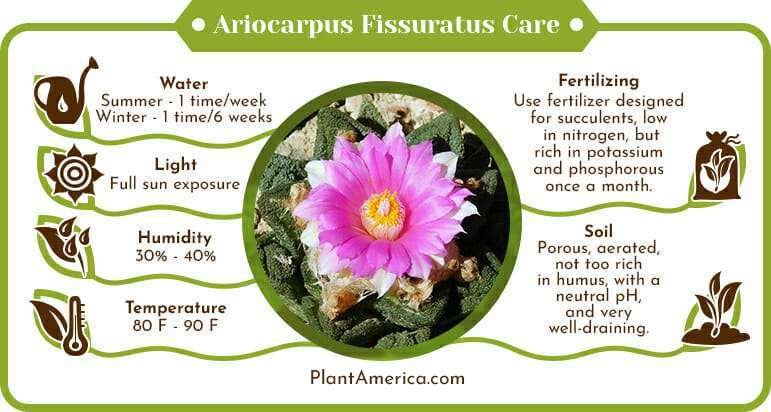
But this water-wise revolution is not without its challenges. The cactus, for all its resilience, is not a plant that forgives neglect. Its spines are a deterrent, yes, but they also demand respect. Gardeners must learn to navigate its prickly defenses, to understand its rhythms. A cactus left in soggy soil will rot; one deprived of sunlight will etiolate. The Middle Eastern gardener, accustomed to the forgiving nature of jasmine and bougainvillea, must adapt. The cactus does not coddle. It demands attention, but in return, it offers a kind of stoic beauty—a reminder that elegance need not be lush to be profound.
Cultural Clash or Harmonious Fusion? The Aesthetic Debate
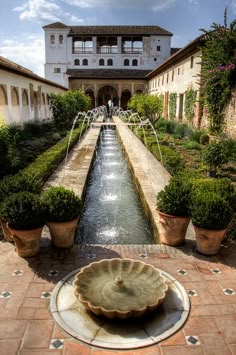
The introduction of cacti into Middle Eastern gardens has sparked a fascinating dialogue between tradition and innovation. On one hand, purists argue that these plants disrupt the harmony of a landscape steeped in history. The intricate tile work of Persian gardens, the symmetrical layouts of Moorish courtyards, the fragrant citrus groves of Andalusia—these are hallmarks of a cultural identity that stretches back centuries. Where do cacti fit into this narrative? Are they intruders, or can they be woven into the tapestry of Middle Eastern horticulture?
Yet, the fusion of cacti with traditional flora is not without precedent. In some contemporary gardens, cacti are paired with native plants like the *Ziziphus spina-christi* (Christ’s thorn jujube) or the *Calligonum comosum* (a desert shrub), creating a hybrid aesthetic that is both familiar and fresh. The cactus, with its bold forms and striking colors, can serve as a focal point, drawing the eye and provoking thought. Imagine a courtyard where the delicate fronds of a date palm sway beside the rigid geometry of a columnar cactus, or where the white blossoms of a night-blooming cereus contrast with the deep green of a *Euphorbia tirucalli* (pencil bush). The result is not a betrayal of tradition, but an evolution—a testament to the garden as a living, breathing entity that grows and changes with time.
The challenge, then, is not whether cacti belong, but how they are integrated. Do they stand alone as statements of modernity, or do they find harmony with their surroundings? The answer may lie in the hands of the gardener, who must balance innovation with respect for the past. After all, the most beautiful gardens are not those that cling to the old or embrace the new without question, but those that find a way to honor both.
Symbolism and Subversion: What Cacti Represent in Middle Eastern Culture
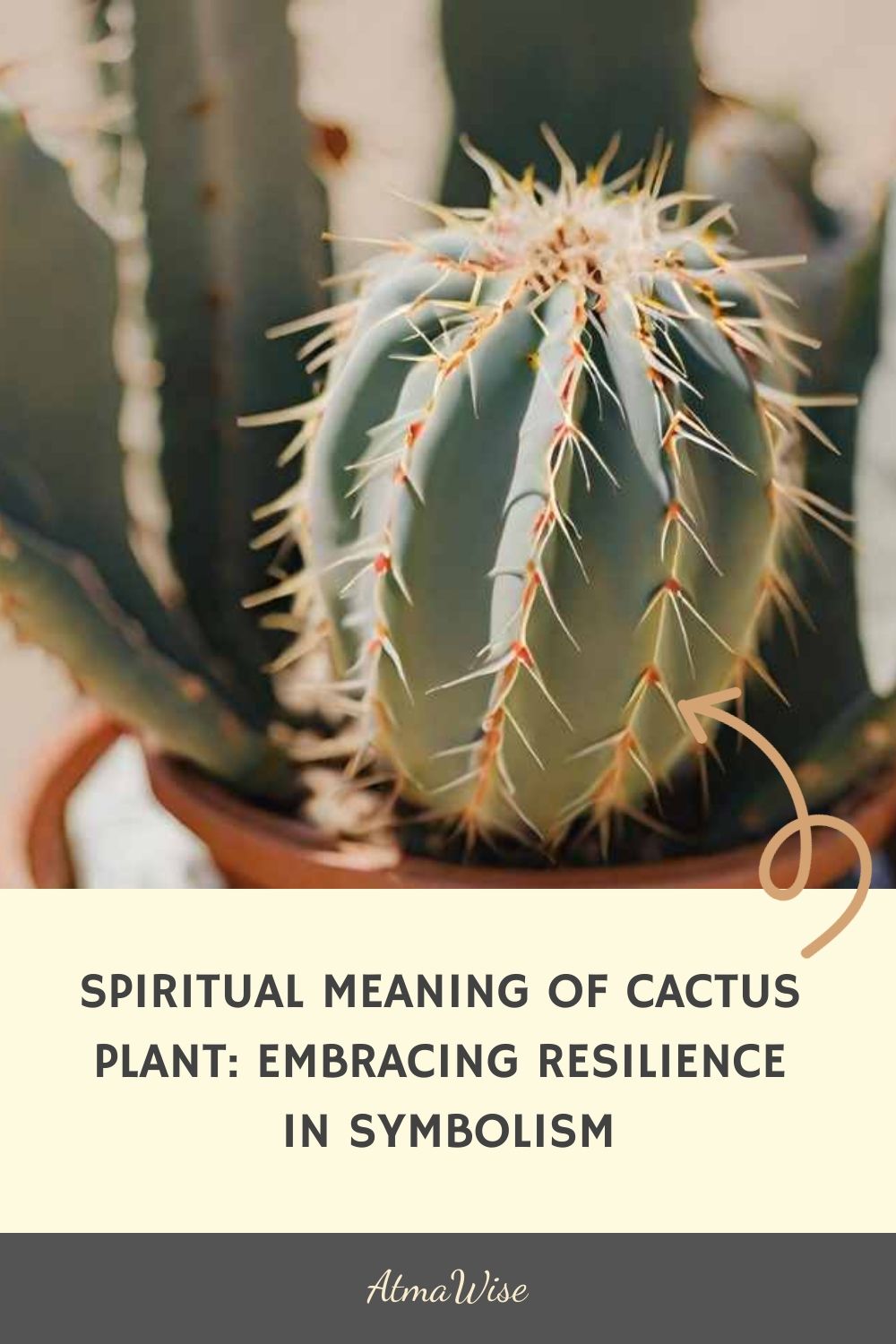
Beyond their practical and aesthetic roles, cacti carry a symbolic weight that resonates deeply in Middle Eastern culture. In many ways, they embody the spirit of resilience—a quality that resonates in a region marked by both natural and political upheavals. The cactus does not ask for mercy; it thrives in adversity. Its spines, often seen as a defense mechanism, can also be interpreted as a form of armor, a reminder that strength is not always soft or yielding.
In some interpretations, the cactus represents the duality of the desert itself: harsh and unforgiving on the surface, but teeming with life beneath. This duality is echoed in Middle Eastern folklore and poetry, where the desert is both a place of exile and a source of wisdom. The cactus, then, becomes a metaphor for endurance, for the ability to find beauty in barrenness. It challenges the notion that a garden must be lush to be meaningful, that a landscape must be gentle to be loved.
Yet, this symbolism is not universally embraced. In some conservative circles, the cactus is still viewed as a foreign interloper, a plant that does not belong in the sacred space of a traditional garden. This resistance speaks to a deeper tension—the fear of the unknown, the reluctance to embrace change. But change, as history has shown, is the only constant. The cactus, in all its prickly glory, is a reminder that even the most unexpected elements can enrich a culture, if given the chance.
The Future of Cacti in Middle Eastern Gardens: A Thorny Path Forward
As climate change reshapes the Middle East, with temperatures rising and water becoming scarcer, the role of cacti in gardens is likely to expand. They are, after all, the ultimate low-maintenance plant, requiring little more than sunlight and well-draining soil. But their future is not guaranteed. The challenge lies in striking a balance between innovation and preservation. How can gardeners integrate cacti without erasing the cultural narratives that have shaped Middle Eastern landscapes for centuries?
One solution may lie in education. By teaching the public about the benefits of cacti—not just their drought tolerance, but their ecological value, their role in supporting pollinators, their ability to sequester carbon—gardeners can foster a new appreciation for these plants. Workshops on xeriscaping, or water-efficient gardening, can introduce cacti as part of a broader toolkit for sustainable living. The cactus, once seen as a novelty, could become a symbol of the Middle East’s adaptability in the face of environmental challenges.
Another possibility is the rise of “fusion gardens,” where cacti coexist with native plants in a deliberate, thoughtfully designed space. These gardens would not reject tradition but reinterpret it, creating a dialogue between the old and the new. Imagine a garden where the reflective pools of a classic Islamic courtyard are bordered by a border of *Ferocactus* (barrel cactus), their yellow flowers adding a splash of color to the scene. Or a rooftop garden where the geometric patterns of a Moroccan *zellij* tile are echoed in the arrangement of *Mammillaria* (pincushion cactus) clusters. The result would be a garden that is both familiar and revolutionary—a testament to the Middle East’s ability to reinvent itself without losing its soul.
The path forward is not without its thorns. The cactus, for all its resilience, is not a plant that tolerates half-measures. It demands commitment, creativity, and a willingness to challenge convention. But for those who dare to embrace it, the rewards are immense. A garden, after all, is more than a collection of plants. It is a reflection of the gardener’s values, a canvas for expression, a sanctuary in an uncertain world. And in the Middle East, where the past and future collide, the cactus offers a way forward—one prickly step at a time.
FAQ
Why are cacti suitable for Middle Eastern gardens?
Cacti thrive in arid climates similar to their native deserts, requiring minimal water and maintenance, making them ideal for water-scarce regions like the Middle East.
How do cacti affect the traditional aesthetics of Middle Eastern gardens?
Cacti introduce unique geometric forms and drought-resistant qualities that contrast yet complement traditional flora, creating a fusion of modern sustainability and historical garden design.
What cultural symbolism do cacti hold in Middle Eastern contexts?
Cacti symbolize resilience and endurance in harsh conditions, reflecting the spirit of survival in Middle Eastern culture, though some view them as foreign to traditional garden spaces.
What challenges do gardeners face when incorporating cacti in Middle Eastern gardens?
Gardeners must manage cacti’s specific needs, such as avoiding overwatering and providing adequate sunlight, and navigate their spines safely.
What is the future outlook for cacti in Middle Eastern landscaping?
With rising drought and climate change, cacti are likely to become more prominent as sustainable, low-maintenance plants, supported by education on their ecological benefits.

Leave a Reply