
Short Answer
In the verdant realm of succulents, few genera captivate collectors and horticulturists quite like Schlumbergera. These epiphytic cacti, native to the mist-laden forests of Brazil, are celebrated for their architectural elegance and vibrant, seasonal blooms. Often mistaken for their desert-dwelling cousins, these “jungle cacti” thrive in humidity and indirect light, making them a perfect fit for indoor cultivation. Whether you’re a seasoned plant enthusiast or a budding green thumb, understanding the nuances of popular Schlumbergera species can elevate your collection from ordinary to extraordinary. This guide delves into the most coveted varieties, their unique characteristics, and the art of nurturing these botanical jewels.
The Iconic Christmas Cactus: A Seasonal Showstopper
The Schlumbergera truncata, commonly known as the Christmas Cactus, is perhaps the most recognizable member of the genus. Its flattened, segmented stems cascade gracefully, forming a lush, trailing silhouette that’s ideal for hanging baskets. When the days grow shorter, this species erupts in a dazzling display of tubular flowers—ranging from fuchsia to white—coinciding with the holiday season. Unlike its desert relatives, the Christmas Cactus demands bright, indirect light and consistent moisture to flourish. Its popularity stems not only from its striking appearance but also from its adaptability, thriving in both homes and offices. For collectors seeking a plant that rewards patience with seasonal spectacle, S. truncata is an indispensable addition.
The Thanksgiving Cactus: A Pre-Holiday Prelude
Often overshadowed by its Christmas counterpart, Schlumbergera buckleyi, or the Thanksgiving Cactus, deserves its moment in the spotlight. This species blooms slightly earlier, gracing growers with its vibrant flowers in late autumn. Its stems are adorned with more pronounced, claw-like projections at the edges, giving it a distinctive silhouette. The Thanksgiving Cactus prefers slightly cooler temperatures and a touch more shade, mimicking its natural understory habitat. Its early flowering period makes it a cherished choice for those eager to extend the succulent blooming season. For collectors who appreciate subtlety and timing, this variety offers a rewarding challenge.
The Easter Cactus: A Springtime Revelation
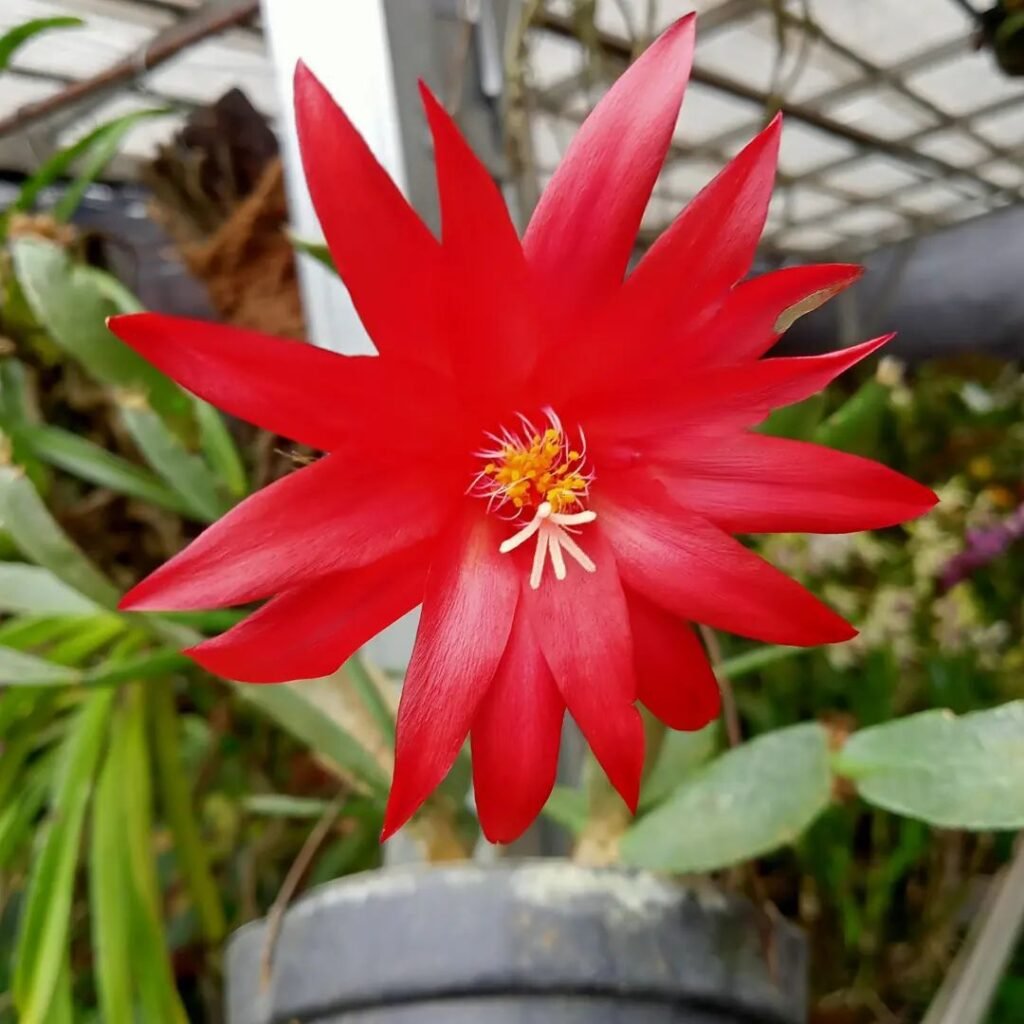
As winter’s chill recedes, the Schlumbergera gaertneri, or Easter Cactus, emerges as a harbinger of spring. This species distinguishes itself with its rounded, scalloped stem segments and a penchant for blooming around the Easter holiday. Its flowers, often in shades of red or pink, are larger and more star-like than those of its relatives. The Easter Cactus thrives in cooler conditions and benefits from a winter dormancy period to stimulate flowering. Its resilience and seasonal punctuality make it a favorite among collectors who relish the cyclical rhythm of nature. For those seeking a plant that aligns with the calendar, this variety is a must-have.
The Rare and Radiant: Lesser-Known Schlumbergera Gems
Beyond the well-trodden paths of Christmas and Thanksgiving cacti lie rarer species that beckon the adventurous collector. Schlumbergera kautskyi, for instance, is a petite marvel with delicate, almost translucent flowers that shimmer in the light. Its compact growth habit makes it ideal for terrariums or small displays. Meanwhile, Schlumbergera opuntioides boasts thick, paddle-like stems reminiscent of its namesake, the prickly pear, yet it retains the epiphytic grace of its genus. These lesser-known varieties offer a chance to cultivate botanical rarities, each with its own unique charm and cultivation quirks. For the collector who thrives on discovery, these species are a treasure trove waiting to be explored.
Cultivation Secrets: Mastering the Art of Schlumbergera Care
To coax the best from these botanical wonders, one must become fluent in the language of their care. Schlumbergeras are not mere survivors; they are thrivers, demanding a delicate balance of light, water, and nutrients. Begin with well-draining soil, a mix of peat, perlite, and coarse sand to replicate their epiphytic roots. Bright, indirect light is non-negotiable—direct sun scorches their tender stems, while too little light stifles flowering. Watering is an exercise in moderation; let the top inch of soil dry between waterings, and reduce moisture during the dormant winter months. A balanced, diluted fertilizer applied monthly during the growing season will encourage lush growth and prolific blooms. For those willing to invest time and attention, the rewards are nothing short of spectacular.
Designing with Schlumbergera: From Hanging Baskets to Terrariums
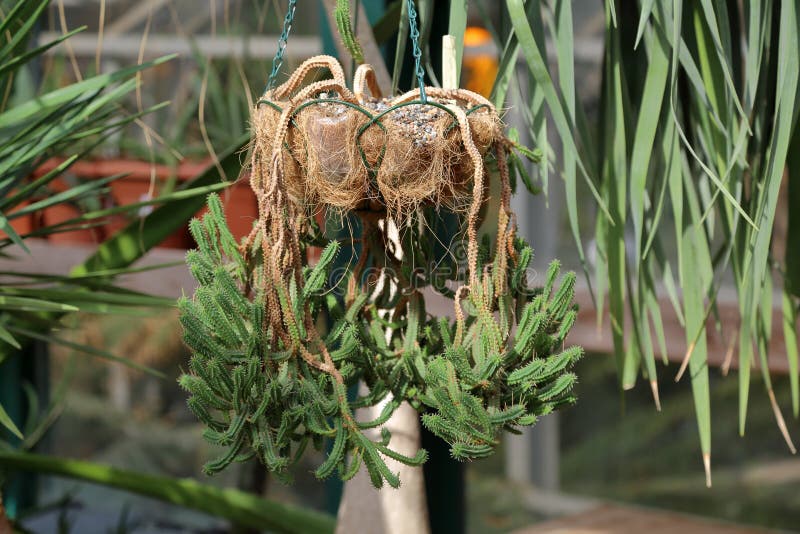
The versatility of Schlumbergera extends beyond their cultural needs into the realm of design. Their cascading stems make them a natural fit for hanging baskets, where they can spill over edges like a verdant waterfall. For a more structured look, consider training them onto trellises or moss poles, encouraging vertical growth that showcases their segmented architecture. In terrariums, compact varieties like S. kautskyi create miniature ecosystems, their delicate flowers adding a touch of whimsy. Pairing Schlumbergeras with complementary plants—such as ferns or fittonias—enhances their ethereal quality, creating a living tableau that evolves with the seasons. For the creative collector, these cacti are not just plants; they are living sculptures.
The Collector’s Mindset: Patience, Passion, and Propagation
Collecting Schlumbergera is more than a hobby; it’s a journey of patience and passion. These plants reward consistency, their growth a testament to the collector’s dedication. Propagation is a rite of passage, a way to share the joy of these species with fellow enthusiasts. Stem cuttings root readily in water or soil, offering a simple yet deeply satisfying way to expand one’s collection. Each new plant carries the potential for unique mutations or hybrid vigor, adding an element of serendipity to the process. For the collector, the true magic lies in the anticipation—the slow unfurling of buds, the first splash of color, the quiet pride of nurturing life from a mere cutting.
Beyond the Bloom: The Year-Round Appeal of Schlumbergera
While their seasonal displays are undeniably mesmerizing, Schlumbergera’s appeal transcends their flowering periods. Their lush, segmented stems provide year-round interest, their vibrant green hues offering a refreshing contrast to the monotony of winter interiors. Even in their dormant phases, these plants exude a quiet elegance, their architectural forms a reminder of nature’s intricate design. For collectors who appreciate the subtleties of foliage, Schlumbergera delivers an understated yet enduring beauty. They are, in essence, the perfect companions—plants that ask little yet give so much in return.
FAQ
What is a Schlumbergera?
Schlumbergera is a genus of epiphytic cacti known for their striking seasonal blooms.
How often should I water my Schlumbergera?
Water when the top inch of soil is dry, and reduce watering during the winter dormancy.


Leave a Reply