
Short Answer
There’s something quietly magnetic about cacti—their stoic silhouettes against the blazing sun, their resilience in the harshest of landscapes, the way they store life’s essence in their prickly forms. They’re not just plants; they’re symbols of endurance, of beauty in barrenness, of secrets held close to the earth. It’s no wonder musicians have been drawn to them, weaving their spiky charm into lyrics and melodies. This playlist isn’t just a collection of songs; it’s a sonic journey through the desert’s heart, where every note feels like a whisper from the sand itself.
The Cactus as a Muse: Why Musicians Can’t Resist Its Prickly Charm
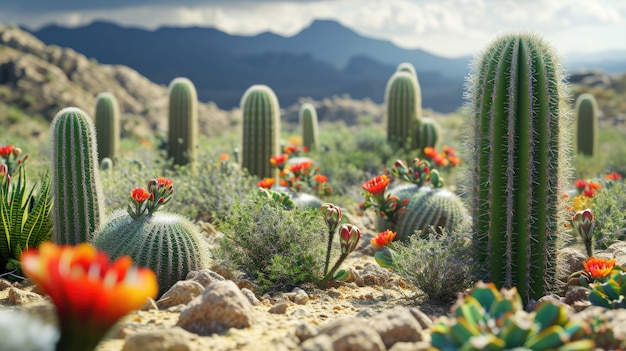
The cactus is more than a plant—it’s a paradox. It thrives where others wither, blooms when the world is parched, and stands guard over the earth’s most unforgiving terrains. This defiance has made it a potent metaphor in music, where it often represents survival, isolation, or even forbidden love. Think of the cactus as the desert’s silent storyteller, its spines a shield against the world, its flowers a fleeting burst of color in an otherwise monochrome landscape. Musicians, ever attuned to symbolism, have long used it to evoke themes of resilience, longing, and the beauty of the unconventional. Whether it’s the cactus as a metaphor for a lover’s guarded heart or a symbol of the American Southwest’s untamed spirit, its presence in songwriting feels inevitable—like the desert itself calling out to be heard.

Desert Noir: The Cactus in Classic Country and Folk Ballads
Few genres wear the cactus’s symbolism as proudly as country and folk music. Here, the spiky plant is a fixture of the American West’s mythology—a lone sentinel in a land of open skies and endless roads. Songs like “Cactus Tree” by Joni Mitchell or “Desert Rose” by Sting use the cactus to paint scenes of wandering souls and sun-bleached dreams. There’s a melancholy to these tunes, a sense of longing that mirrors the cactus’s own solitary existence. The desert, after all, is a place where time moves differently, where the wind carries secrets, and where the cactus stands as both witness and survivor. These ballads don’t just mention the cactus; they let it breathe, turning it into a character in a story of love, loss, and the search for meaning in wide-open spaces.
Rock and Roll’s Spiky Rebellion: Cacti as Icons of Defiance
If country and folk music romanticize the cactus, rock and roll embraces its rebellious edge. The cactus, with its sharp spines and unapologetic presence, is the perfect emblem for a genre built on defiance. Bands like ZZ Top and Eagles have name-dropped cacti in their lyrics, using them to evoke the wild, untamed spirit of the Southwest. There’s a grit to these songs, a refusal to be tamed—just like the cactus itself. The plant’s ability to thrive in adversity mirrors the rock musician’s journey: a struggle against convention, a celebration of raw, unfiltered energy. When you hear a guitar riff echoing over lyrics about cacti, it’s not just a plant being referenced—it’s a lifestyle, a mindset, a middle finger to the ordinary.

Indie and Alternative: The Cactus as a Metaphor for Modern Alienation
In the hands of indie and alternative artists, the cactus takes on a more introspective role. It becomes a metaphor for the modern condition—isolated yet resilient, beautiful yet prickly, thriving in a world that often feels like a desert. Bands like The National and Phoebe Bridgers have used cacti in their lyrics to explore themes of loneliness, self-protection, and the quiet strength it takes to stand alone. There’s a vulnerability in these songs, a recognition that resilience isn’t always loud or proud—sometimes it’s the quiet, stubborn refusal to wilt. The cactus, in this context, is a mirror. It reflects our own struggles to grow in inhospitable places, to find beauty in the barren, and to stand tall even when the world feels like it’s trying to cut us down.
Latin Rhythms and the Cactus: A Dance of Fire and Thorns
In Latin music, the cactus is often woven into the fabric of the culture itself. It’s a symbol of the Southwest’s Mexican and Indigenous roots, a plant that has sustained communities for centuries. Songs like “Cielito Lindo” or “La Cucaracha” may not explicitly mention cacti, but their spirit lingers in the rhythms and melodies—just as the cactus lingers in the landscape. Modern Latin artists, from Lila Downs to Banda MS, often evoke the cactus in their lyrics, using it to celebrate heritage, resilience, and the fiery passion of the desert. There’s a dance here, too—a balance between beauty and danger, between the sweetness of the fruit and the sting of the spines. It’s a metaphor that resonates deeply in Latin music, where life and struggle are often intertwined.
Electronic and Ambient: The Cactus as a Sonic Landscape
For electronic and ambient musicians, the cactus is less a character and more a landscape—a sonic backdrop for exploring vast, open spaces. Artists like Brian Eno and Aphex Twin have used desert imagery in their music, creating soundscapes that feel like wandering through a cactus forest at dusk. The cactus, in this context, is a guide to the unknown, a way to evoke the eerie beauty of the desert’s silence. These songs don’t just reference the cactus; they become it—slow, hypnotic, and endlessly intriguing. They’re the auditory equivalent of staring into the distance, watching the sun dip below the horizon, and feeling the quiet hum of life persisting against all odds.

Closing Thoughts: Why the Cactus Resonates in Music
The cactus is more than a plant—it’s a mirror. It reflects our fears, our hopes, our struggles, and our triumphs. In music, it becomes a symbol of what it means to thrive in adversity, to find beauty in the barren, and to stand tall even when the world feels like it’s trying to cut us down. Whether it’s the twang of a country ballad, the grit of a rock anthem, the introspection of an indie tune, or the hypnotic pulse of an electronic track, the cactus is there—watching, enduring, inspiring. So the next time you hear a song mention a cactus, listen closely. It’s not just a plant. It’s a story. And it’s yours to hear.
FAQ
What makes cacti a popular metaphor in music?
Cacti represent endurance and survival in harsh environments, making them relatable symbols for emotional and cultural themes in music.
Can you name some songs that reference cacti?
Examples include 'Cactus Tree' by Joni Mitchell and 'Desert Rose' by Sting, which use cactus imagery to evoke desert landscapes and emotions.
How is cactus symbolism different in Latin music?
In Latin music, cacti symbolize cultural heritage, resilience, and the fiery passion of the Southwest's Mexican and Indigenous roots.
What role do cacti play in electronic and ambient music?
They serve as sonic landscapes that evoke vast, open desert spaces, creating immersive soundscapes of solitude and mystery.




Leave a Reply